
Why Your Meal Prep Falls Apart by Wednesday
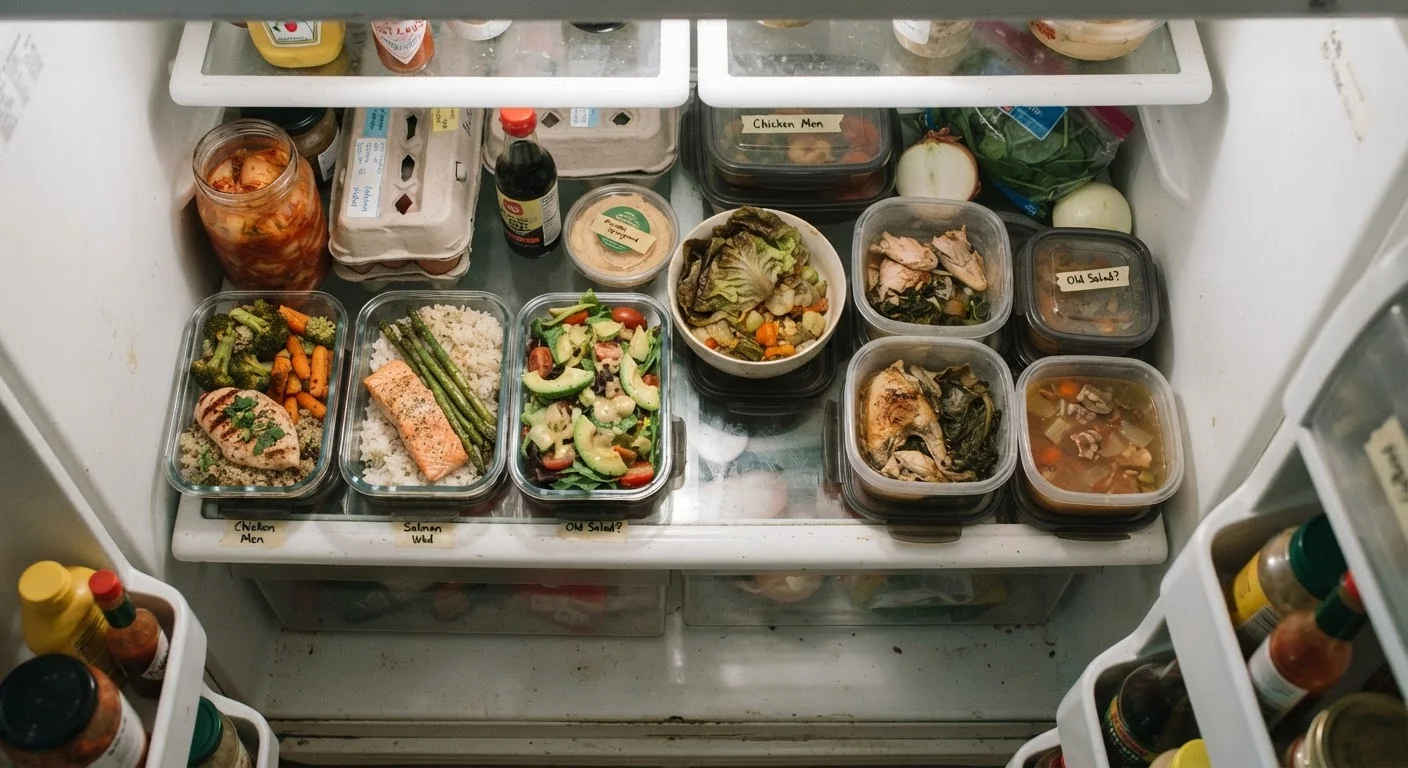
Photo credit: SmartReads.net | Simple Search, Relevant Results
In this article
Discover the planning gaps and storage missteps that cause carefully prepped meals to go wrong before the week is even half over.
Key Takeaways
- Over-prepping perishable proteins and produce is the fastest route to mid-week food waste.
- Poor container choices accelerate moisture loss and texture degradation in stored meals.
- Skipping a flexible 'component' approach in favor of rigid full meals leads to flavor fatigue.
- A realistic two-hour prep window beats an ambitious four-hour session you'll abandon by week two.
The Hidden Flaws in Most Meal Prep Plans
Sunday meal prep feels like a solved problem - until Thursday rolls around and you're staring at soggy grain bowls and rubbery chicken. The issue is rarely effort or intention; it's almost always planning structure and food science. If your prepped meals reliably disappoint by midweek, you're likely making one or more of the mistakes below.
Before diving in, it's worth clarifying what meal prep actually is - and isn't. If you're new to the concept, our explainer on what meal prep actually means is a useful foundation. Once you understand the spectrum of approaches, the mistakes below will make immediate sense.
Prepping every meal in full, back-to-back, without considering which components degrade fastest.
Why it happens: The intuitive image of meal prep - rows of identical containers ready to grab - encourages prepping complete dishes rather than flexible building blocks.
Using mismatched or inadequate containers that don't maintain the right moisture balance.
Why it happens: Most people reach for whatever containers are available rather than matching container type to food category.
Prepping five full portions of the same recipe, guaranteeing flavor fatigue by day three.
Why it happens: Efficiency thinking - cook once, eat all week - prioritizes volume over palatability, which works for simple staples but fails with complex dishes.
Skipping the cool-down step and refrigerating hot food immediately, creating condensation inside containers.
Why it happens: Time pressure after a long prep session makes shortcutting this easy to justify - and the consequences aren't obvious until days later.
Over-prepping quantities based on optimism rather than your actual eating patterns that week.
Why it happens: Meal preppers often plan for seven days of lunches and dinners when travel, work events, or takeout nights reliably interrupt the schedule.
How to Build a Prep Session That Holds Up All Week
Correcting these mistakes doesn't require more time in the kitchen - it requires smarter sequencing and realistic portion planning. A focused two-hour window on the weekend, structured well, is genuinely enough. Our guide to structuring the weekend prep window walks through a practical session format that covers breakfast, lunch, and dinner through Friday.
Don't Let Ambition Outpace Your Actual Schedule
The most common reason meal prep fails isn't cooking skill - it's planning for an idealized week rather than a realistic one. Before prepping, check your calendar for dinners out, late work nights, or travel days. Prepping for five dinners when you'll realistically eat three at home guarantees waste and erodes motivation to prep the following week.
The goal is meals that still taste like a choice - not a compromise - by Wednesday afternoon. That means prepping components rather than locking yourself into identical full meals, and storing everything in ways that preserve texture and flavor. Our Sunday setup checklist covers the equipment and sequencing decisions worth making before a single knife hits the cutting board.
Finally, a reliable pantry reduces how much fresh cooking your prep actually needs to cover. The right staples - legumes, whole grains, fermented condiments, long-lasting aromatics - extend your prep's reach significantly. See our overview of building-block pantry ingredients for a practical starting list.
This article is for general informational purposes only and does not constitute dietary or medical advice. Consult a registered dietitian or qualified healthcare professional for personalized nutrition guidance.

Author
Diet & Meal Plans Editorial Team
Diet & Meal Plans Editorial Team is the collective byline for our editorial team and contributor network. Articles published under this byline or an editorial pen name are researched, written, and reviewed according to our editorial standards for clarity, consistency, and independence before publication.
View all articles →