
What 'Meal Prep' Actually Means - and What It Doesn't
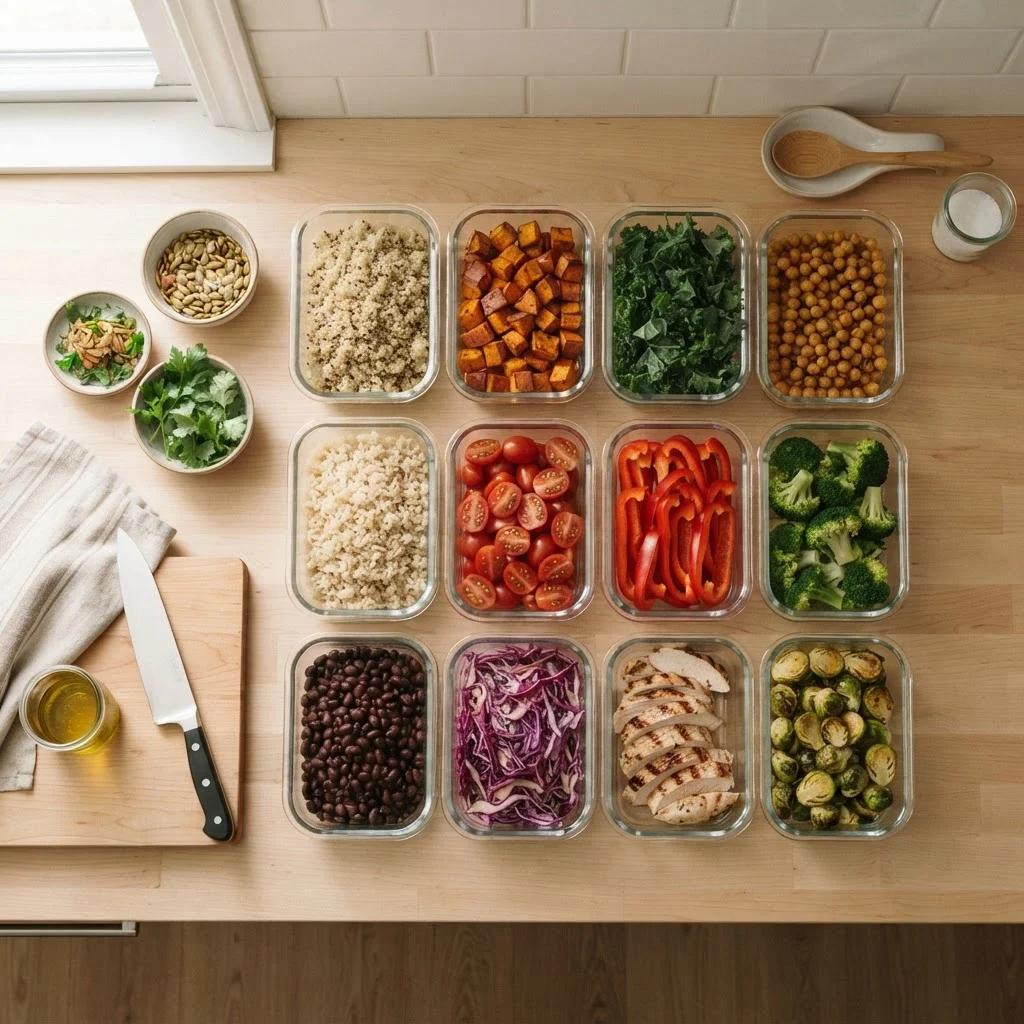
Photo credit: SmartReads.net | Simple Search, Relevant Results
In this article
Meal prep is often misunderstood as an all-or-nothing system. This explainer clarifies the spectrum of approaches and who each one suits.
Key Takeaways
- Meal prep is a spectrum, not a single rigid system you must follow perfectly.
- Even small acts of preparation - like washing produce or portioning snacks - count as meal prep.
- The right approach depends on your schedule, cooking preferences, and storage space.
- Meal prep does not require cooking every meal from scratch or spending an entire weekend in the kitchen.
- Consistency in any prep style delivers more benefit than an elaborate system you abandon after one week.
The Misconception That Makes People Give Up
Most people who try meal prep and quit do so because they adopted a version that was never realistic for their life. The dominant image - every meal for the week portioned into identical containers, stacked perfectly in a refrigerator - is one approach, not the definition. Treating it as the standard is what turns a useful habit into an all-or-nothing task that collapses under a single busy weekend.
Meal prep is better understood as intentional food preparation that happens before you need to eat. That intentionality can be applied at many different scales, and the version that works for you is the right one - not the most elaborate one.
Any Prep Is Still Prep
There is no minimum threshold of effort that qualifies as 'real' meal prep. Spending 20 minutes on a Sunday evening portioning snacks and rinsing salad greens has measurable impact on weekday eating - it reduces friction at exactly the moment when time and energy are lowest. Do not discount small preparation because it doesn't match an idealized version of the practice.
The Actual Spectrum of Prep
Meal prep sits across a wide range of effort and complexity. Understanding where each approach falls helps you choose one that matches your schedule rather than fighting against it.
- Ingredient prep: Washing, chopping, and portioning raw produce; marinating proteins; measuring dry goods. This reduces active cooking time significantly without requiring any cooking in advance.
- Component cooking: Preparing flexible building blocks - a pot of grains, a tray of roasted vegetables, a batch of cooked legumes - that can be assembled into different meals across the week. See batch cooking vs. component prepping for a deeper breakdown of these two modes.
- Full meal batch cooking: Cooking complete dishes - soups, casseroles, grain bowls - in large quantities, then dividing them into portions. Best suited for people with predictable schedules and limited weeknight time.
- Hybrid approaches: Mixing methods, such as batch cooking lunches while only prepping ingredients for dinners. This is often the most practical model for professionals with variable weeks.
What Meal Prep Is Not
Clarifying the boundaries matters as much as defining the concept itself.
Meal prep is not a diet plan. It has no inherent connection to calorie counting, specific macronutrient targets, or any particular eating pattern. It is a logistical tool that can support almost any food approach - Mediterranean, plant-forward, higher-protein - but it does not define what you eat, only when you prepare it.
It is also not a weekly obligation you have failed if you skip. A prep session you do three weeks out of four delivers far more value than a perfect system you burn out on after two weeks. For a practical look at what derails consistency, the common reasons prep falls apart by Wednesday is worth reading before building your routine.
Start with One Meal Category
If full-week prep feels overwhelming, pick just one meal to prep ahead - most people find weekday lunches the highest-value target. Once that single habit feels routine, adding a second category becomes much easier. Small consistency beats ambitious plans that stall after one attempt.
Choosing the Approach That Will Actually Stick
The most effective prep method is the one you repeat. A few honest questions narrow it down quickly: How variable is your schedule week to week? Do you cook primarily for yourself or for others? Do you prefer eating similar meals daily or need variety to stay interested?
If you are new to the practice, start narrower than you think you need to. Prepping one category - lunches only, or just breakfasts - builds the habit without overwhelming your Sunday. The beginner's starting point guide covers exactly this kind of scaled-down entry point. Once a single category feels automatic, expanding is straightforward.
Before any session, a quick setup check also prevents the mid-cook frustrations that discourage repetition. The Sunday setup checklist covers the equipment, storage, and sequencing decisions worth making before you turn on the stove.
~1 hr
Average time for a basic component prep session
Nutrition researchers and registered dietitians generally estimate that a focused 45-60 minute component prep session covers the bulk of a week's ingredient needs for a single person.
3-4 days
Safe refrigerator life for most cooked meals
The USDA recommends consuming refrigerated cooked foods within three to four days to maintain both food safety and quality.
This article is for general informational purposes only and does not constitute medical or nutritional advice. Consult a qualified healthcare professional for guidance tailored to your individual health needs.
Frequently Asked Questions

Author
Diet & Meal Plans Editorial Team
Diet & Meal Plans Editorial Team is the collective byline for our editorial team and contributor network. Articles published under this byline or an editorial pen name are researched, written, and reviewed according to our editorial standards for clarity, consistency, and independence before publication.
View all articles →