
The Building-Block Pantry: Ingredients That Make Weekly Prep Faster
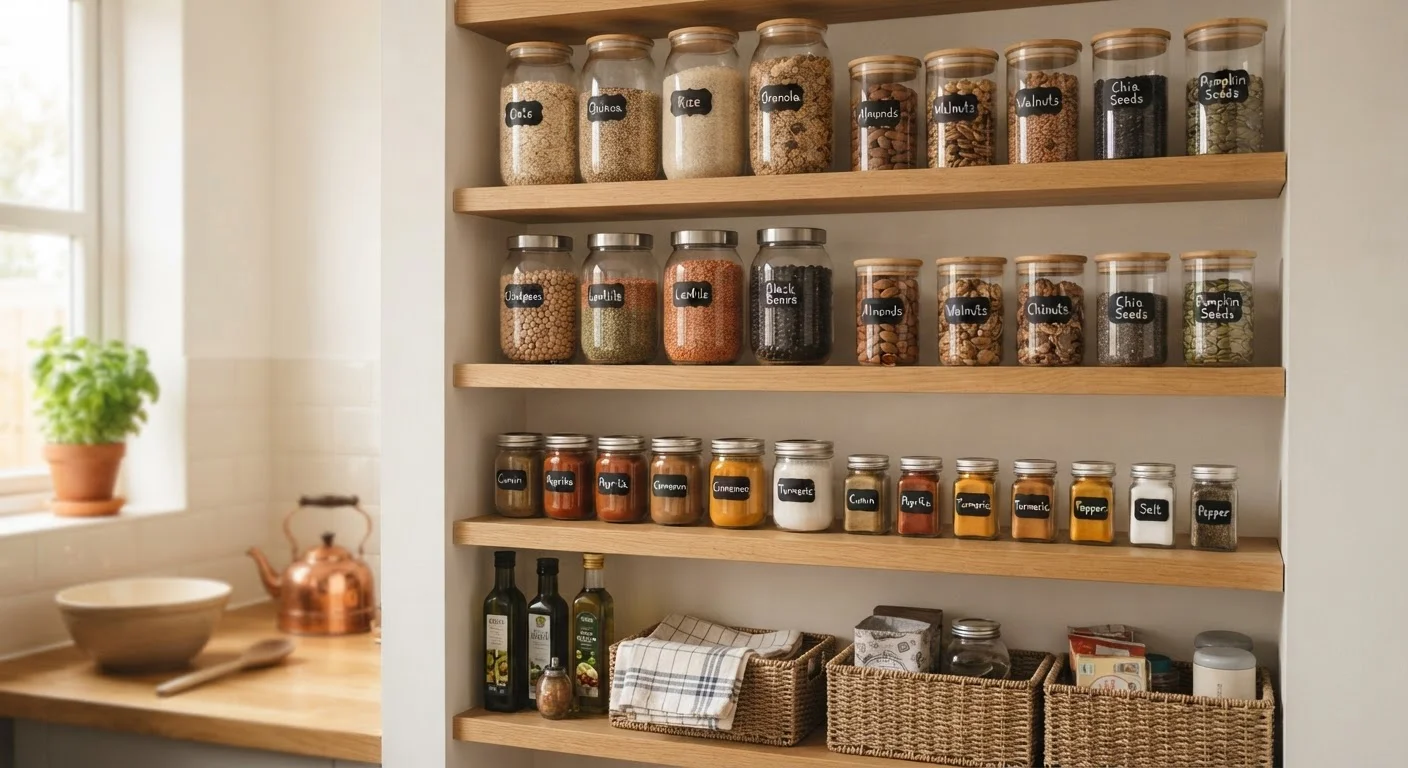
Photo credit: SmartReads.net | Simple Search, Relevant Results
In this article
A well-stocked pantry reduces weekly decision fatigue. Here are the versatile staples that make assembling varied, nutritious meals genuinely quick.
Key Takeaways
- Keeping a core set of versatile pantry staples eliminates most mid-week grocery decisions.
- Shelf-stable proteins, whole grains, and flavor builders are the highest-leverage items to stock.
- Building meals from components rather than recipes speeds up prep and reduces food waste.
- A stocked pantry works best when paired with a consistent weekly prep routine.
Why the Pantry Matters More Than the Recipe
Most weeknight cooking struggles aren't about skill - they're about friction. When your pantry is stocked with the right ingredients, assembling a nutritious meal becomes more like restocking a bowl than following a recipe. The decision load drops significantly, and so does the temptation to order takeout at 7 p.m. after a long day.
The building-block approach treats the pantry as infrastructure rather than a backup plan. Instead of buying ingredients for specific recipes, you maintain a core set of versatile staples that combine in many directions. If you're newer to this style of cooking, our beginner's guide to meal prep offers a practical foundation before you reorganize your shelves.
The seven categories below represent the highest-leverage pantry investments for busy professionals - the ones that give you the most meal variety per square foot of shelf space.
Start With a Pantry Audit First
Before restocking, take 10 minutes to clear and inventory what you already have. Many professionals discover they already own several building-block staples but lose track of them behind less-used items. Knowing what's there reduces duplicate purchases and ensures you actually use what you buy before it expires.
The Seven Building-Block Categories
Each of the items below was chosen for two qualities: versatility across multiple meals and minimal active prep time required at the point of cooking. Together, they cover protein, carbohydrate, fat, flavor, and acid - the structural elements of a complete, satisfying meal.
Canned and Dried Legumes
Chickpeas, black beans, lentils, and cannellini beans are among the most efficient proteins you can keep on hand. Canned versions are ready in minutes; dried ones are economical and cook in bulk over the weekend. Both options deliver fiber, plant-based protein, and staying power - qualities that matter when lunch needs to carry you through a demanding afternoon.
Use them in grain bowls, soups, salads, or mashed as a spread. Because their flavor is mild, they absorb whatever seasoning you build around them, making them genuinely multi-meal ingredients.
Legumes are the pantry's most efficient protein - ready fast, versatile, and filling.
Whole Grains with Short Cook Times
Brown rice, farro, and barley are nutritious, but their long cook times make them difficult on busy weeknights. For the building-block pantry, prioritize grains that cook in 15-20 minutes: quinoa, bulgur, and millet are all solid choices that also happen to be complete or near-complete protein sources.
A batch cooked on Sunday keeps well for four to five days in the refrigerator. From there, it becomes the base for lunch grain bowls, a side at dinner, or a base layer under eggs at breakfast. One cook yields many meals.
Fast-cooking grains like quinoa and bulgur turn a single prep session into a full week of bases.
Extra-Virgin Olive Oil and Neutral Oils
Cooking fat is a structural ingredient, not just a flavor add-on. Extra-virgin olive oil handles roasting, sautéing, and finishing with equal ease, while a neutral oil (such as avocado or light canola) is useful for higher-heat cooking without competing flavors. Keeping both means you're never constrained by the wrong tool for the job.
Quality matters more than quantity here. A single good bottle of each type covers most cooking scenarios without cluttering shelf space.
Two oils - one robust, one neutral - handle virtually every cooking technique you'll use.
Canned Tomatoes and Coconut Milk
These two ingredients function as instant sauce starters that can shift a dish's entire flavor direction. A can of crushed tomatoes becomes the base of a quick shakshuka, pasta sauce, or braised lentils. Coconut milk folds into curries, smoothies, or oatmeal - pivoting easily between savory and sweet contexts.
Each is shelf-stable, inexpensive per use, and dramatically shortens the time between opening the refrigerator and getting a hot meal onto the table. Stock two to three cans of each as your floor.
Canned tomatoes and coconut milk are one-ingredient sauce starters that reshape any meal.
A Strategic Spice Cluster
Flavor fatigue - eating the same foods until you stop wanting to eat them - is one of the top reasons meal prep breaks down. A focused spice collection solves this without adding complexity. Rather than accumulating dozens of single-use jars, build around clusters: a warm-spice group (cumin, coriander, smoked paprika, turmeric), an Italian-leaning group (dried oregano, red pepper flakes, garlic powder), and an all-purpose finisher (flaky salt, cracked pepper).
These combinations can make the same base ingredients taste entirely different from Monday to Thursday - a critical advantage for maintaining variety without expanding your shopping list.
A focused spice cluster makes identical base ingredients taste different every day of the week.
Nuts, Seeds, and Nut Butters
Almonds, pumpkin seeds, sunflower seeds, and tahini serve three distinct functions: they add crunch and contrast to salads and grain bowls, they thicken sauces and dressings, and they provide a compact source of healthy fats and protein when you need a fast snack between meetings.
Nut butters, in particular, punch well above their convenience weight. A spoonful of tahini whisked with lemon juice and water becomes a dressing in under a minute. Almond or peanut butter stirs into overnight oats or noodle sauces with minimal effort.
Nuts and nut butters double as fast flavor finishers and a convenient between-meeting protein source.
Acid: Vinegars and Citrus
If a home-cooked meal tastes flat or unfinished, the problem is often missing acid. A splash of apple cider vinegar, rice vinegar, or a squeeze of lemon can sharpen flavors the same way salt does - lifting everything in the dish. Acids also slow browning in cut produce, which extends the visual appeal of prepped vegetables through the week.
Keep a bottle each of apple cider and rice vinegar, and treat fresh lemons as a pantry staple rather than an occasional purchase. These are low-cost, high-impact tools.
Acid - vinegar or citrus - is the finishing touch that makes prepped meals taste freshly made.
This Is General Nutrition Information
The ingredient suggestions in this article are intended as practical, general guidance for meal planning - not personalized dietary advice. Individual nutritional needs vary based on health status, medical history, and other factors. If you have specific dietary concerns or health conditions, consult a registered dietitian or qualified healthcare provider before making significant changes to your eating habits.
Putting the Pantry to Work
Stocking these categories is step one. The real efficiency comes when you pair a well-stocked pantry with a consistent weekly prep session. A focused two-hour prep window on the weekend is typically enough to cook grains, prep legumes, and portion out nuts and oils into ready-to-use formats - cutting weeknight assembly time to under 15 minutes per meal.
If you're deciding how to use these ingredients - all at once in complete dishes, or as modular components - understanding the difference between batch cooking and component prepping can help you choose the method that fits your actual schedule. And if you want to broaden your pantry thinking beyond these core seven, stocking a pantry that makes healthy choices the default goes deeper into the philosophy behind this approach.
The goal isn't a perfect pantry - it's a functional one that lowers the barrier between a busy day and a decent meal.

Author
Diet & Meal Plans Editorial Team
Diet & Meal Plans Editorial Team is the collective byline for our editorial team and contributor network. Articles published under this byline or an editorial pen name are researched, written, and reviewed according to our editorial standards for clarity, consistency, and independence before publication.
View all articles →