
Meal Prep for Beginners: A Practical Starting Point Without the Overwhelm
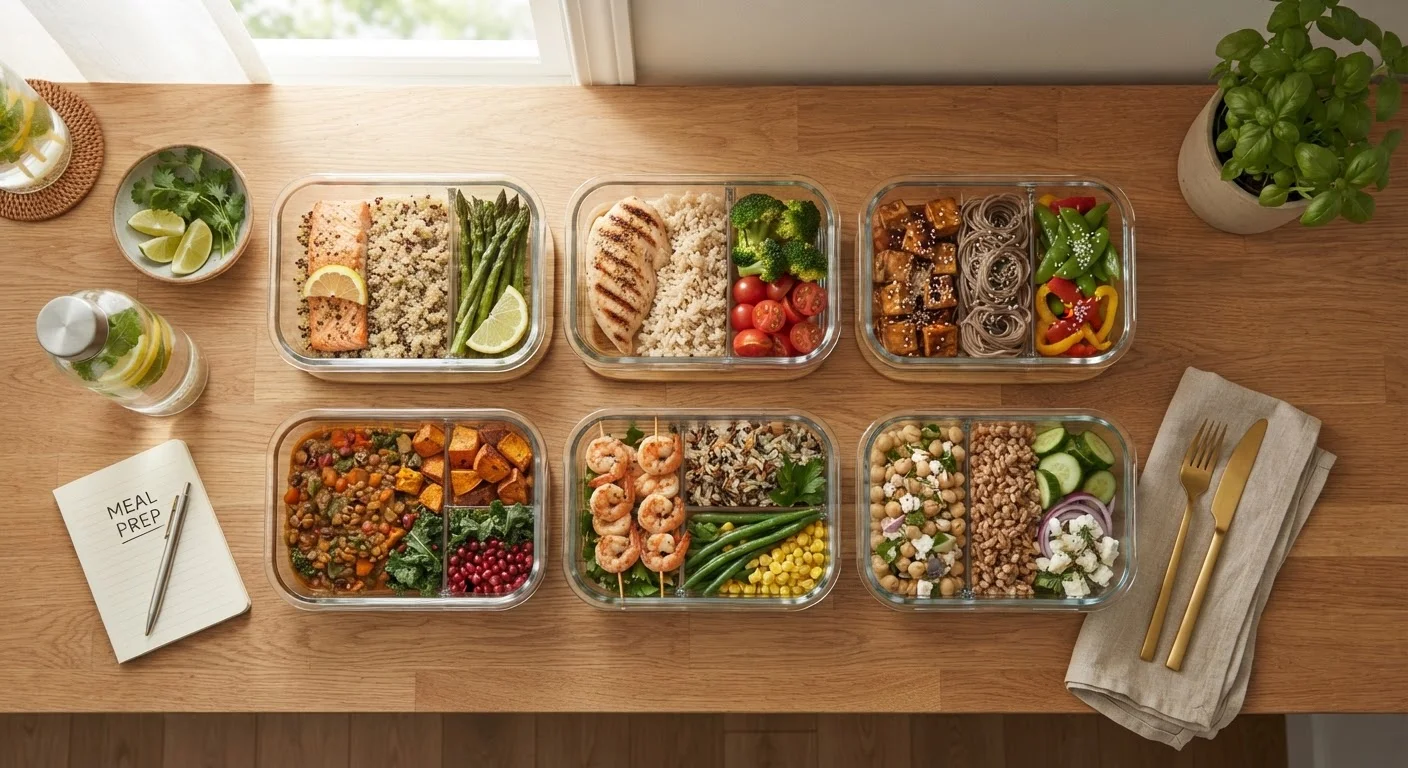
Photo credit: SmartReads.net | Simple Search, Relevant Results
In this article
New to prepping meals ahead? This guide covers the core principles, realistic expectations, and simple first steps to build a sustainable weekly habit.
Key Takeaways
- Meal prep is a flexible habit, not a rigid system - adapt it to your schedule and needs.
- Starting with just two or three meals per week prevents burnout and builds sustainable momentum.
- Deciding what, how much, and when to prep before you shop saves time and reduces waste.
- Component prepping (cooking ingredients separately) offers more weekday flexibility than full meals.
- Consistent containers and a simple storage plan are as important as the cooking itself.
What Meal Prep Actually Means (and Doesn't)
Meal prep has a reputation for requiring military-level organization and a freezer full of identical containers. That image keeps many people from starting at all. In practice, meal prep simply means doing some food preparation work in advance so that eating well during a busy week requires less decision-making and less cooking on the fly.
It doesn't mean preparing every single meal from scratch on Sunday. It doesn't require following a strict plan or eating the same thing five days in a row. And it certainly doesn't mean you've failed if you order takeout on Thursday.
The goal is to reduce friction - making it easier to reach for something nourishing than something convenient-but-less-ideal. Think of it as supporting your future self, not constraining them.
Setting Realistic Expectations for Week One
The most common reason meal prep habits collapse early is scope creep - trying to prep too much, too perfectly, right from the start. A more durable approach: cover just two or three meals for the first few weeks and measure success by whether you actually used what you prepared.
It's also worth understanding that prep quality improves with repetition. Your first session will feel slower and clunkier than your fifth. That's normal. You're learning which foods reheat well, how much you actually eat in a week, and which containers work best in your fridge layout.
Start with one meal type, not all three
Rather than prepping breakfast, lunch, and dinner simultaneously, focus on the meal that causes you the most stress during the week - usually lunch. Nailing one meal type first builds confidence and keeps your first few sessions manageable. Once that feels automatic, layer in a second meal.
If prep sessions consistently feel like a chore, that's useful information - it may mean you're prepping the wrong foods, too much volume, or at the wrong time of week. Our article on why prep falls apart mid-week covers these gaps in detail.
The Three Core Decisions Before You Cook Anything
Effective prep starts before you turn on the stove. Three decisions made in advance will determine whether your session runs smoothly or stalls.
- What will you actually eat? Choose foods you enjoy, not just foods that seem healthy. Meals you don't look forward to won't get eaten. Start with two proteins, one grain, and two vegetables - a simple formula that allows enough variety without complexity.
- How much do you need? Over-prepping leads to waste and refrigerator guilt. Think through how many meals you realistically need covered versus when you'll eat out, travel, or have leftovers from dinner.
- When will you prep? Pick a specific time window and protect it. Many professionals find Sunday afternoon works well, but a weekday evening can be equally effective. Our Sunday setup checklist helps you confirm you have everything in place before you begin.
A well-stocked pantry also dramatically shortens prep time. Versatile pantry staples like canned legumes, whole grains, and olive oil let you fill gaps quickly without an extra shopping trip.
Your First Prep Session: A Simple Starting Framework
For your first session, keep the scope deliberately narrow. A practical starting framework looks like this:
- One protein: Roast a tray of chicken thighs or bake a sheet of salmon. These reheat well and pair with almost anything.
- One grain: Cook a pot of brown rice, farro, or quinoa. Grains refrigerate well for four days and bulk out any meal quickly.
- Two vegetables: Roast whatever is in season. Broccoli, sweet potato, bell peppers, and zucchini all hold texture after reheating.
That's it for week one. These components can be combined differently each day - grain bowls, wraps, side dishes - which prevents the monotony that kills most prep habits. This approach is sometimes called component prepping, and it offers far more weekday flexibility than making complete identical meals.
For a structured approach to a full two-hour session once you're comfortable, see our guide to organizing your weekend prep window.
Component Prepping vs. Batch Cooking
Understand the practical differences between these two prep styles and which fits your actual weekly schedule. Read the full comparison.
The Building-Block Pantry
A curated look at pantry staples that make assembling varied, nutritious meals faster every week - reducing shopping trips and decision fatigue simultaneously.
Building the Habit Week by Week
Sustainability matters more than perfection. After your first two or three sessions, you'll start to notice patterns: which foods you reach for most, which ones go untouched, and how much prep actually covers your week. Use that information to refine - not overhaul - your approach.
A few practices that reinforce the habit over time:
- Keep your storage system consistent. Using the same containers in the same fridge spots reduces the mental load of finding things when you're hungry and short on time.
- Build in a mid-week check. A quick five-minute fridge scan on Wednesday tells you what needs to be used and whether you need to supplement before Friday.
- Connect prep to your broader eating goals. Whether you're trying to eat more vegetables, manage portions, or simply spend less on lunches, tying meal prep to a clear personal benefit keeps motivation grounded in something real.
Meal prep pairs naturally with broader healthy eating habits - particularly when it comes to consistent meal timing and portion awareness. If you're also thinking about how eating structure supports weight management, the principles in weight management basics complement what you're building here.
The goal isn't a perfect system on week one. It's a workable routine by week four.
This article is for general informational purposes only and does not constitute medical or dietary advice. Consult a qualified healthcare professional or registered dietitian before making significant changes to your eating habits, especially if you have an existing health condition.
Don't skip food safety basics
Cooked food should be refrigerated within two hours of cooking and consumed within three to four days. When in doubt about whether something is still safe to eat, discard it. Improper storage is one of the most common reasons meal prep goes wrong - and one of the most preventable.
Frequently Asked Questions

Author
Diet & Meal Plans Editorial Team
Diet & Meal Plans Editorial Team is the collective byline for our editorial team and contributor network. Articles published under this byline or an editorial pen name are researched, written, and reviewed according to our editorial standards for clarity, consistency, and independence before publication.
View all articles →