
Stocking a Pantry That Makes Eating Well the Path of Least Resistance
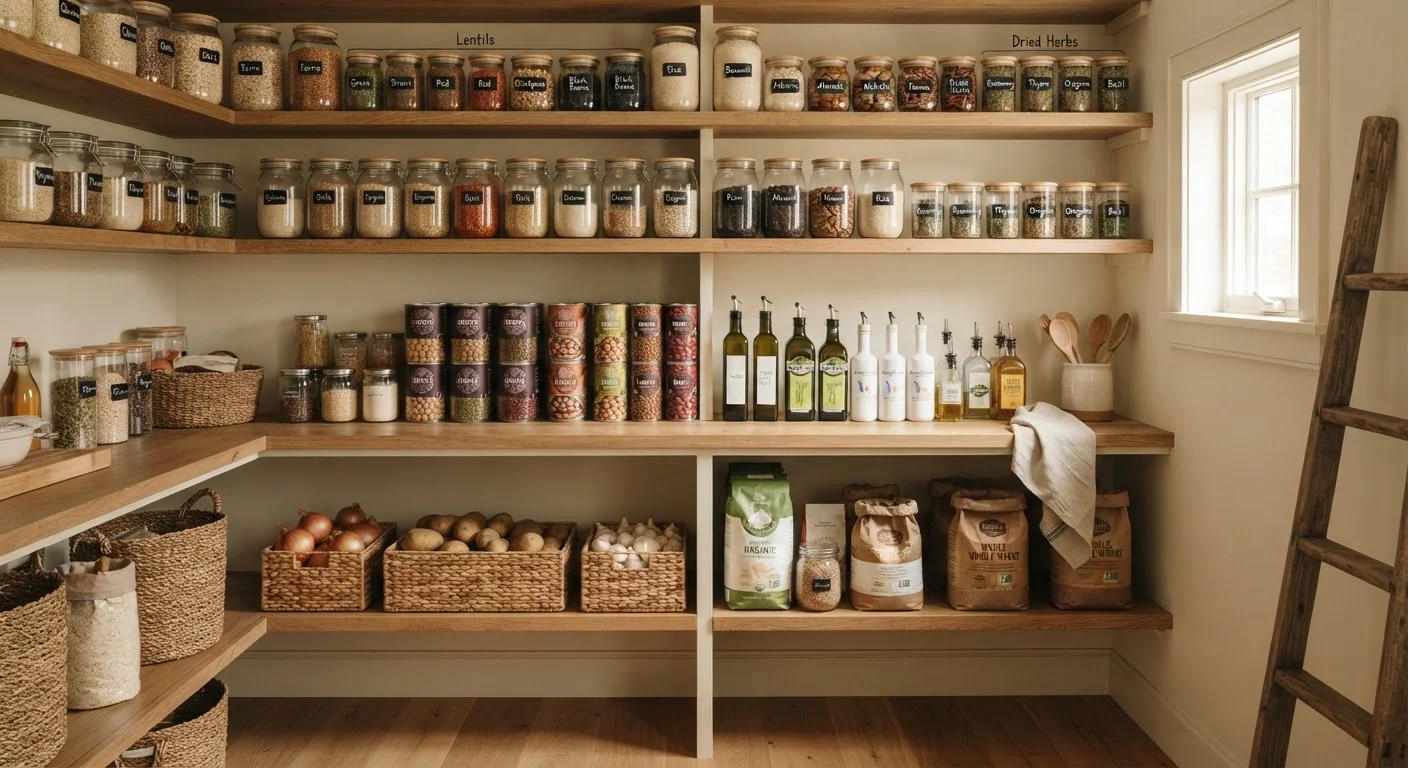
Photo credit: SmartReads.net | Simple Search, Relevant Results
In this article
What you keep at home shapes what you eat. Here's how to stock a pantry that makes nutritious choices the easiest ones.
Key Takeaways
- Your pantry's contents reliably predict what you'll eat when time is short and willpower is low.
- Stocking a few versatile staple categories is enough to assemble balanced meals without daily planning.
- A one-time audit and restocking session reduces daily decision fatigue all week.
- Shelf-stable proteins, whole grains, and healthy fats are the core of a functional pantry.
- Accessibility matters as much as selection - keep nutritious foods visible and within easy reach.
Why Your Pantry Is Your Most Powerful Nutrition Tool
Willpower is a finite resource. By the end of a long workday, most people reach for whatever requires the least effort - and that's almost always whatever is most accessible. Research on food environment design consistently shows that the foods physically closest to us are the foods we eat most often. That means your pantry's contents matter more than any meal plan you could follow.
The logic is simple: if your shelves hold versatile, nutritious staples, assembling a decent meal at 7 p.m. becomes the easy path rather than the effortful one. This pairs naturally with building a weekly prep routine - a stocked pantry makes that prep genuinely fast.
This Is General Nutrition Information
The guidance here is educational and applies to generally healthy adults. Individual nutritional needs vary based on health status, medications, and other factors. If you have a diagnosed condition or specific dietary requirements, please consult a registered dietitian or qualified healthcare professional before making significant changes to your diet.
You don't need a perfectly curated pantry to eat well. You need a functional one - stocked with items you'll actually use, organized so you can see them, and replenished before you run out.
Visibility Is Half the Battle
Store your most nutritious staples at eye level and in clear containers. Research on food environment design consistently shows that people eat what is most visible and accessible. Put chips in a higher cabinet; put nuts and whole-grain crackers on the counter.
What to Stock and How to Organize It
Before you shop, take 30 minutes to audit and reorganize what you already own. Then follow the steps below to fill the gaps strategically.
What you will need
Audit what you currently have
Pull everything out of your pantry and sort items into three groups: keep (nutritious and still good), use up soon (near expiry but fine to eat), and discard (expired, stale, or items you genuinely never reach for). This baseline tells you what gaps to fill and prevents you from doubling up on things you already own.
Stock at least two shelf-stable protein sources
Canned or dried legumes (lentils, chickpeas, black beans), canned fish (tuna, salmon, sardines), and nut butters are the backbone of fast, protein-containing meals. Aim for variety across at least two of these categories so you have options when flavor fatigue sets in.
Add at least one whole grain
Whole grains - oats, brown rice, quinoa, farro, whole-wheat pasta - provide fiber and lasting energy. Keep at least one you genuinely enjoy eating. Quinoa and oats are particularly versatile because they work in both savory and sweet preparations, cutting the number of ingredients you need overall.
Build a small roster of flavor-builders
Olive oil, a neutral cooking oil, canned or jarred tomatoes, low-sodium broth, soy sauce or tamari, vinegar, and a short list of dried spices (cumin, smoked paprika, garlic powder, oregano, chili flakes) let you turn plain staples into actual meals. These items have long shelf lives and high meal-building return on investment.
Add accessible snack-level options
Nuts, seeds, whole-grain crackers, and nut butters serve double duty as snacks and meal additions. Keep them at eye level - the foods you see first are the foods you eat. Restocking these regularly ensures that when hunger strikes between meetings, you don't default to less nutritious options simply because they're more visible.
Create a simple restocking habit
Once your pantry is stocked, the maintenance is straightforward: add items back to a running grocery list as you use them up. A sticky note on the inside of the pantry door, a phone note, or a shared household list app all work equally well. The goal is to never run out of your core staples at the same time.
For a deeper look at how these pantry choices translate into weekly prep, see the beginner's guide to meal prep. And if you want to connect your pantry habits to broader weight management goals, the guidance on managing weight on a packed schedule offers practical, realistic context.
Don't Overhaul Everything at Once
Emptying and replacing your entire pantry in one session is expensive and often leads to waste. Work through what you already have, then replace items gradually as they run out. Slow, steady restocking is more sustainable than a dramatic reset.
Once you have the physical environment sorted, pairing it with consistent habits around eating timing and portion awareness makes the whole system more effective. Our article on meal timing and portion habits walks through that next layer without rigid rules.
This article is for general informational and educational purposes only and does not constitute medical or dietary advice. Consult a qualified healthcare professional or registered dietitian for guidance tailored to your individual health needs.

Author
Diet & Meal Plans Editorial Team
Diet & Meal Plans Editorial Team is the collective byline for our editorial team and contributor network. Articles published under this byline or an editorial pen name are researched, written, and reviewed according to our editorial standards for clarity, consistency, and independence before publication.
View all articles →