
Warm vs. Cool Undertones: What They Actually Mean for Your Skin
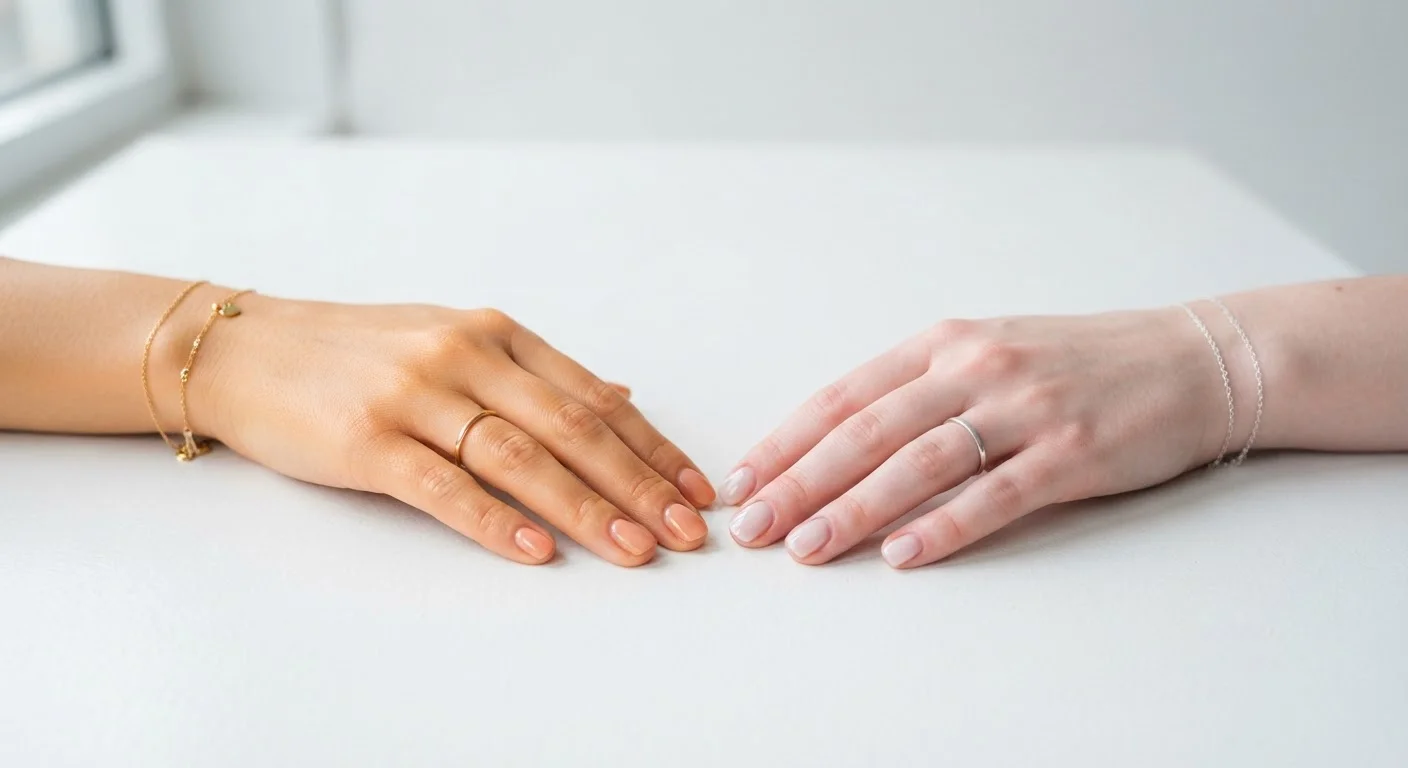
Photo credit: SmartReads.net | Simple Search, Relevant Results
In this article
Warm and cool undertones aren't just buzzwords. Here's what they mean scientifically and how they shape which shades genuinely suit you.
Key Takeaways
- Undertones are distinct from skin tone - they remain constant regardless of tanning or seasonal changes.
- Warm undertones show yellow, peachy, or golden hues; cool undertones show pink, red, or bluish hues.
- Neutral undertones contain a balanced mix of both warm and cool, offering the most shade flexibility.
- Vein color, jewelry preference, and sun reaction are reliable at-home indicators of your undertone.
- Understanding your undertone helps narrow down foundation, blush, and hair color choices with more precision.
What Undertones Actually Are - and What They Aren't
Skin tone refers to the surface color you see - fair, medium, deep, and everything between. Undertones are something different: the subtle hue that sits beneath the surface, generated by the interplay of melanin, hemoglobin, and carotenoids in the skin's layers. Unlike surface tone, undertones don't shift with a tan or fade in winter. They are fixed biological characteristics.
Dermatologists and color scientists generally categorize undertones into three groups: warm (yellow, peachy, golden), cool (pink, red, bluish), and neutral (a balanced blend of both). The concept became central to beauty practice because these underlying hues determine which colors in makeup and clothing create harmony with the skin rather than fighting it. To understand why that happens at a mechanical level, it helps to revisit how complementary and analogous colors behave - something covered in detail in our guide to the color wheel for beauty beginners.
This article provides general educational information about color theory as it applies to beauty. It is not medical advice or a clinical assessment tool.
How to Identify Your Undertone at Home
Several self-assessment methods exist, and using more than one increases reliability:
- Vein test: Check the inner wrist in natural light. Greenish veins generally indicate warm undertones; blue or purple veins tend to suggest cool undertones; a mix of both often signals neutral.
- Jewelry test: Gold jewelry flattering you more points toward warm; silver suits cool undertones better; both working equally well suggests neutral.
- White paper test: Hold a white sheet next to your bare face. If your skin appears yellowish or golden by comparison, undertones are likely warm; if it looks pinkish or rosy, probably cool.
- Sun reaction: Skin that tans easily with minimal burning often has warm or olive undertones. Skin that burns before tanning tends toward cool.
No single test is definitive, and some people genuinely land near the neutral center of the spectrum. If your results consistently conflict, you're likely neutral - which is explored further in our glossary of color terms every beauty lover should know.
| Criterion | Warm Undertones | Cool Undertones |
|---|---|---|
| Dominant pigment cues | Yellow, gold, peach | Pink, red, blue |
| Vein appearance | Greenish | Blue or purple |
| Sun response | Tans easily, rarely burns | Burns before tanning |
| Flattering metals | Gold, rose gold, copper | Silver, white gold, platinum |
| Foundation suffix | W (warm) or Y (yellow) | C (cool) or P (pink) |
| Harmonious clothing tones | Rust, olive, camel, warm red | Cobalt, emerald, lavender, true red |
Where Undertone Knowledge Changes Your Beauty Decisions
The practical payoff of knowing your undertone shows up most clearly in three areas:
Foundation and Concealer
Foundation shades are typically coded with letters - W (warm), C (cool), or N (neutral). A shade mismatched to your undertone reads as ashy, orange, or mask-like, regardless of how well it matches your surface depth. Undertone alignment is the variable that determines whether a formula disappears into skin or sits on top of it. For more on decoding shade label systems, see how to read a shade label without getting fooled.
Blush and Bronzer
Warm undertones are flattered by peach, terracotta, and golden-bronze blushes. Cool undertones respond better to berry, mauve, and true rose shades. Applying a warm-toned bronzer over cool skin can create an unnatural orange contrast rather than a sun-kissed effect.
Hair Color
Hair colorists use undertone awareness when recommending tones. Warm-skinned clients generally benefit from honey, copper, or golden highlights; cool-skinned clients often look more vibrant with ash, platinum, or cool-brown tones. This isn't a rigid rule - color theory myths worth questioning include the idea that undertone is the only variable - but it's a reliable starting framework.
3
Primary undertone categories recognized in cosmetic science
Warm, cool, and neutral are the broadly accepted classifications used by makeup artists and cosmetic formulators to calibrate foundation and color ranges.
~60%
Foundation returns attributed to shade mismatch
Industry surveys from cosmetic retail contexts have consistently pointed to undertone mismatch - not depth - as the leading cause of foundation returns and exchanges.
Understanding why certain shades feel right and others don't comes down to contrast mechanics, which our article on color contrast and why it makes shades flattering breaks down thoroughly.

Author
Beauty Editorial Team
Beauty Editorial Team is the collective byline for our editorial team and contributor network. Articles published under this byline or an editorial pen name are researched, written, and reviewed according to our editorial standards for clarity, consistency, and independence before publication.
View all articles →