
Dashboard Warning Lights Most Drivers Ignore - and Shouldn't
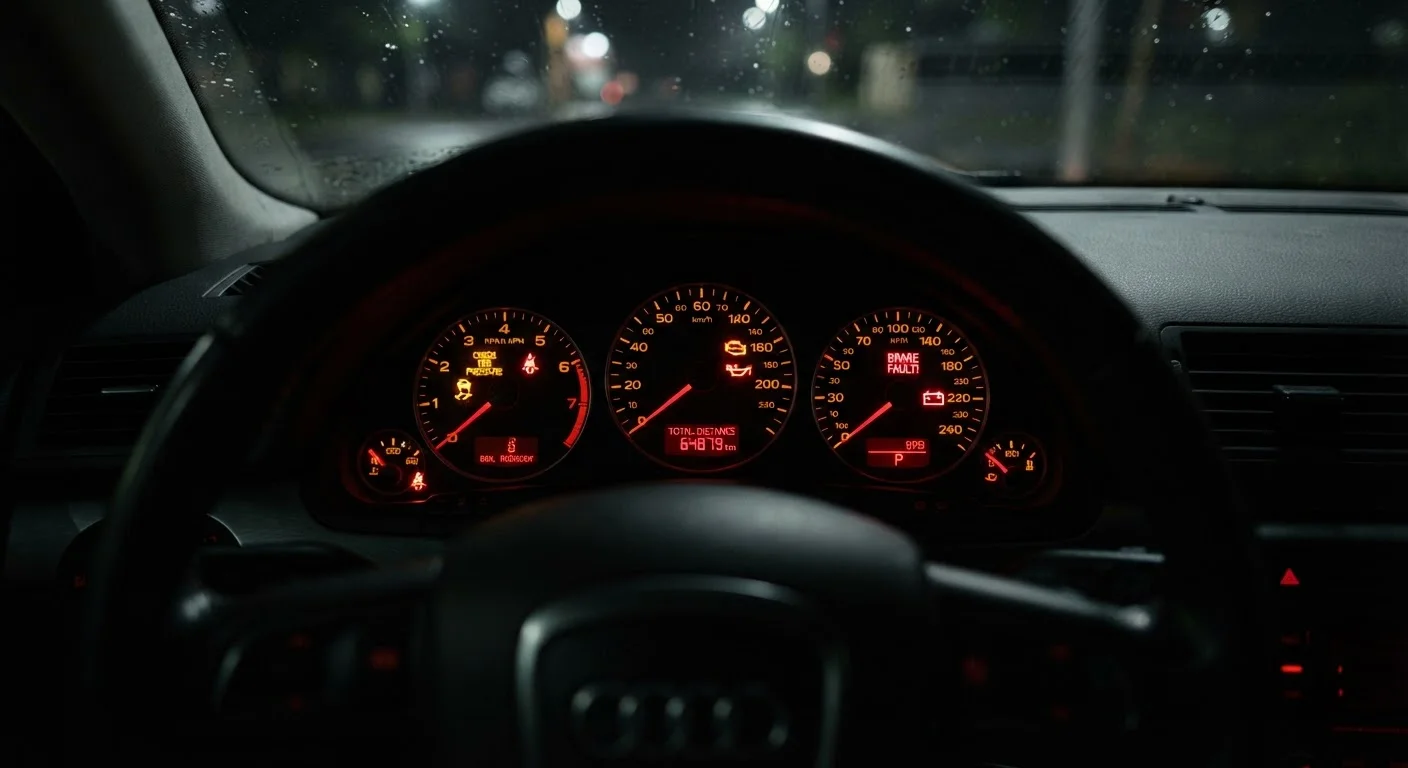
Photo credit: SmartReads.net | Simple Search, Relevant Results
In this article
A clear guide to the warning lights that signal genuine safety risks, what each one means, and when to act immediately.
Key Takeaways
- Red warning lights almost always require you to stop driving safely as soon as possible.
- The oil pressure and engine temperature lights signal risks that can destroy an engine within minutes.
- A TPMS light doesn't tell you which tyre is affected - you need to check all four manually.
- The battery warning light rarely means a dead battery; it more often signals a failing alternator.
- Ignoring an amber check-engine light for weeks can turn a minor fix into a costly repair.
- Pre-trip vehicle checks reduce the chance of warning lights appearing mid-journey.
Why Drivers Tune Out Warning Lights
Most drivers have watched a warning light flicker on, silently promised to deal with it later, and then forgotten it entirely. It's understandable - modern dashboards can display dozens of symbols, many of which turn out to be minor. That pattern, though, creates a real problem: when a genuinely dangerous light appears, it gets the same mental shrug as all the others.
The lights covered here are the ones that deserve immediate attention. Knowing the difference between "schedule a service soon" and "pull over now" is straightforward safety knowledge that every driver should have. Before a long drive, pairing this awareness with a basic pre-departure check is even more effective - see our road trip readiness checklist for a practical starting point.
77%
Drivers with an unaddressed warning light
A CarMD survey found that approximately 77% of vehicles on US roads have a check engine light on or a condition that would trigger one.
$3,000+
Average cost of a seized engine repair
Industry repair data indicates engine seizure - commonly caused by ignored oil pressure warnings - can cost over $3,000 in labor and parts.
25%
Pressure drop that triggers TPMS alert
Per NHTSA standards, TPMS must alert drivers when any tyre falls 25% below the vehicle manufacturer's recommended cold inflation pressure.
Red Lights: Stop-Now Territory
Red warning lights represent the highest tier of urgency. The three most critical are oil pressure, engine coolant temperature, and brake system warnings.
Oil Pressure Warning
This light - usually an oil can symbol - means the engine is not receiving adequate lubrication. Driving even a short distance with low oil pressure can cause irreversible engine damage. Pull over safely, shut off the engine, and check the oil level. If it's not a simple low-oil situation, the vehicle needs a tow, not another mile of driving.
Engine Temperature Warning
A thermometer or the letters "TEMP" in red means the engine is overheating. Continued driving can warp cylinder heads, blow head gaskets, or seize the engine entirely. Turn off air conditioning, pull over, and do not open the coolant reservoir cap while the engine is hot.
Brake System Warning
If this light appears while driving and the parking brake is fully released, it could indicate low brake fluid or a fault in the hydraulic braking circuit. Reduced stopping ability is an immediate safety hazard. Reduce speed carefully and have the vehicle inspected before driving further. Our guide to active and passive safety systems explains what's at stake when braking hardware fails.
Keep a Phone Flashlight Handy
If a red warning light forces you to pull over at night, use your phone's flashlight to safely check oil level and coolant reservoir before calling for assistance. Never open the hood on a live traffic lane - move fully onto the shoulder or an exit ramp first.
Amber Lights: Don't Ignore, Don't Panic
Amber lights indicate a developing issue that requires attention - usually within days, not seconds. Letting them linger, however, often converts a manageable problem into a serious one.
Check Engine Light
This is the most frequently ignored light on American roads. While it can indicate something as simple as a loose gas cap, it can also signal a catalytic converter fault, oxygen sensor failure, or engine misfire. The light alone won't tell you which - only a diagnostic scan will. Many auto parts retailers offer free scan readings, which gives you the fault code before visiting a mechanic.
TPMS (Tire Pressure Monitoring System)
The TPMS light means at least one tyre is significantly underinflated - typically 25% or more below the recommended pressure. Underinflated tyres reduce braking grip, increase blowout risk, and cut fuel efficiency. The sensor doesn't identify which tyre, so check all four with a gauge. For a deeper understanding of what the numbers mean, see our article on tyre pressure and tread depth.
Battery Warning
A battery symbol while driving usually indicates the alternator is failing rather than the battery itself. The alternator recharges the battery while the engine runs; without it, the battery drains steadily. Get to a workshop promptly - don't turn the engine off if you're close, since restarting may not be possible.
Warning Lights After a Battery Disconnect
If your vehicle's battery was recently disconnected or replaced, several warning lights may illuminate temporarily while the car's systems reinitialize. Most will clear after one or two drive cycles. If lights persist beyond that, treat them as genuine alerts and have the vehicle scanned.
Using Your Owner's Manual as a First Reference
Vehicle manufacturers are required to document every warning symbol in the owner's manual. If a light appears that you don't recognize, the manual is the fastest, most accurate reference - more reliable than a generic internet search that may not account for your model's specific system. Keep the manual accessible in the glovebox, or download the digital version to your phone if your manufacturer offers one.
Many drivers also benefit from adding warning-light awareness to their routine pre-drive checks. A 10-minute inspection before a long journey can surface warning signs before they become emergencies - our pre-drive safety check guide walks through exactly what to look for.
Frequently Asked Questions

Author
Autos Editorial Team
Autos Editorial Team is the collective byline for our editorial team and contributor network. Articles published under this byline or an editorial pen name are researched, written, and reviewed according to our editorial standards for clarity, consistency, and independence before publication.
View all articles →