
Tyre Pressure, Tread Depth, and the Numbers That Actually Matter
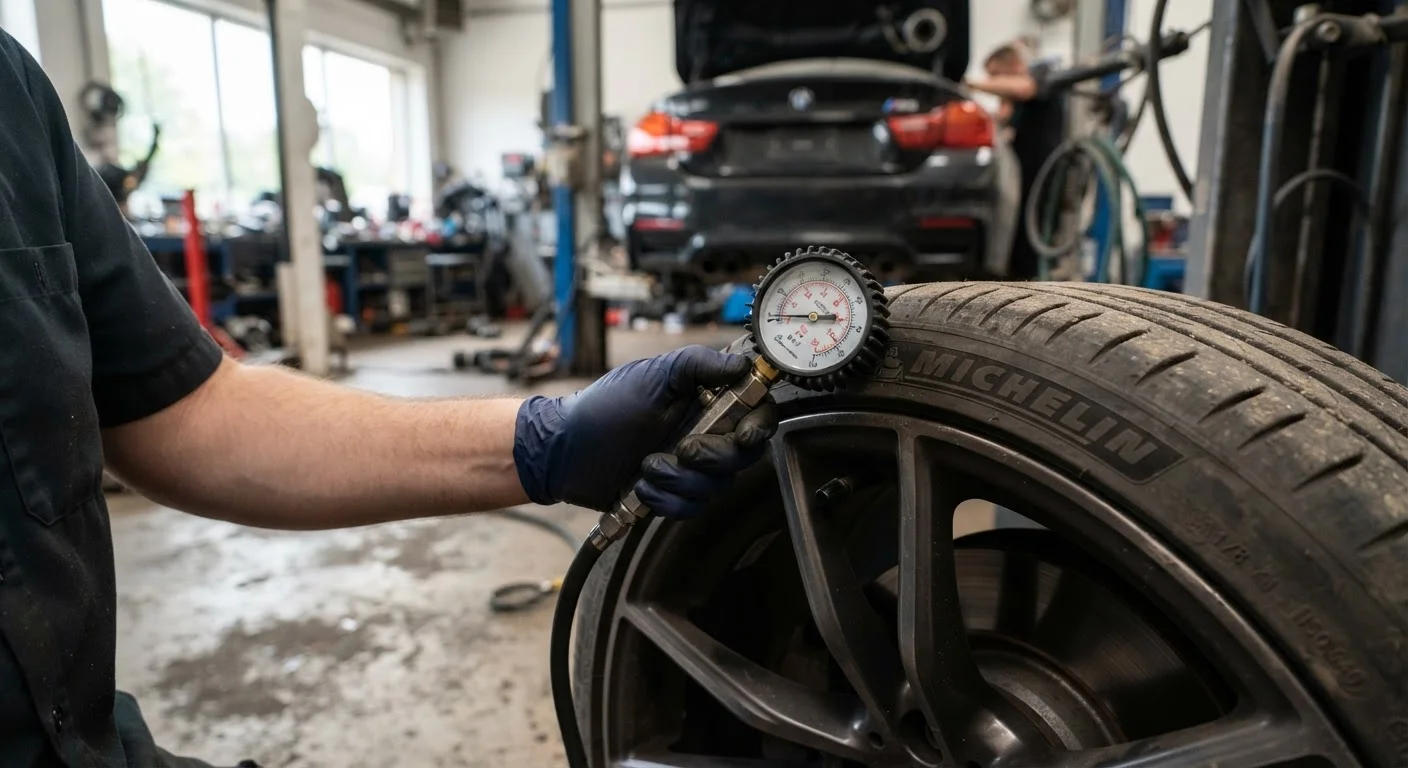
Photo credit: SmartReads.net | Simple Search, Relevant Results
In this article
Understand what tyre pressure and tread depth readings mean, why they affect safety, and how to read them correctly.
Why These Two Numbers Define Road Safety
Tyre pressure and tread depth are the two most commonly neglected vehicle checks - and among the most consequential. Under-inflated tyres generate excess heat, wear unevenly, and extend braking distances. Worn tread struggles to channel water away from the contact patch, dramatically increasing the risk of aquaplaning in wet conditions. Together, they affect steering response, fuel consumption, and - at the extremes - whether a car can stop in time to avoid a collision.
Understanding what the numbers mean, where to find the right targets, and how to measure accurately takes less than ten minutes to learn. That knowledge pays off every time road conditions get difficult.
| US legal minimum tread depth | 2/32 inch (Federal Motor Vehicle Safety Standards) |
| Recommended replacement threshold | 4/32 inch (National Highway Traffic Safety Administration guidance) |
| Typical passenger car tyre pressure range | 30-35 PSI (General industry range; always check your vehicle placard) |
| Pressure drop per 10°F temperature fall | ~1 PSI (Tyre Industry Association) |
| TPMS alert trigger threshold | 25% below recommended PSI (Federal TPMS regulation, FMVSS No. 138) |
| Wet stopping distance increase at 2/32 vs. 4/32 | Significantly longer (Consumer Reports tyre testing observations) |
Tyre Pressure: Reading It Right
Where to find your target figure. Ignore the maximum pressure embossed on the tyre sidewall - that is a manufacturing limit, not a recommendation. Your actual target is on the vehicle placard, a sticker inside the driver's door jamb. Most passenger cars fall between 30 and 35 PSI, but SUVs, trucks, and vehicles with different front/rear specs will differ.
When to measure. Always check cold tyre pressure - after the vehicle has sat for at least three hours, or before driving more than one mile. Driving heats air inside the tyre and raises the reading, making it seem higher than the true resting state.
Seasonal adjustment. Tyre pressure drops roughly 1 PSI for every 10°F fall in ambient temperature. That means a tyre correctly set at 33 PSI in September can read closer to 29 PSI by January in a colder climate - without any slow leak.
TPMS Is a Floor, Not a Target
Your dashboard tyre-pressure warning light activates only when pressure drops roughly 25% below the placard value - that is already a meaningful deficit. Do not wait for the light before checking; treat monthly manual checks as your actual standard. See our guide on warning lights drivers overlook for context on how TPMS fits into the broader dashboard picture.
Tyres running consistently low also hurt fuel economy. Tyre pressure is one of the highest-impact maintenance variables for MPG, worth checking monthly alongside your other fluid levels.
Tread Depth: What the Numbers Mean in Practice
PSI (Pounds per Square Inch)
The standard unit used in the US to measure tyre inflation pressure. Most passenger vehicle tyres require between 30 and 35 PSI when cold.
Cold Tyre Pressure
The pressure measured after a vehicle has been stationary for at least three hours or driven fewer than one mile. Manufacturer specs always refer to cold pressure, since driving heat inflates readings.
Tread Depth
The measurement from the top of a tyre's rubber surface down to its deepest groove channel. It determines how effectively the tyre can channel water and grip the road.
TWI (Tread Wear Indicator)
Small raised bars moulded into the base of tyre grooves at 2/32 of an inch. When the tread surface is flush with these bars, the tyre is legally and safely worn out.
TPMS (Tyre Pressure Monitoring System)
A sensor-based system fitted to most vehicles sold in the US after 2008 that alerts the driver when one or more tyres drop significantly below the recommended pressure.
The legal minimum in the US is 2/32 inch. When your tyre's tread reaches this level - flush with the moulded Tread Wear Indicators in the grooves - the tyre must be replaced. But treating 2/32 as the target rather than the floor is a mistake: at that depth, wet-weather performance is already seriously compromised.
A more protective threshold is 4/32 inch, particularly if you drive in rain or variable weather. At 4/32, you retain meaningful water-channelling capacity. Below it, stopping distances in wet conditions extend substantially.
How to measure without a gauge. The quarter test: insert a US quarter into the tread groove with Washington's head pointing down. If the top of his head is visible, you are at or below 4/32 inch - plan for replacement. The penny test indicates 2/32 inch (Lincoln's head fully visible), meaning the tyre is already at legal minimum.
Check multiple points. Uneven wear across the tyre width signals inflation or alignment issues, not just age. Wear concentrated on the outer edges suggests chronic under-inflation; wear down the center suggests over-inflation. Both patterns shorten tyre life and indicate a pressure problem worth correcting.
~1 PSI
Pressure lost per 10°F temperature drop
According to the Tyre Industry Association, seasonal temperature swings routinely push tyres outside the safe range without the driver noticing.
11,000+
Annual US crashes linked to tyre problems
NHTSA data has consistently attributed thousands of crashes each year to tyre-related failures, including under-inflation and worn tread.
For drivers who regularly cover fast roads, worn tread creates compounding risks. Motorway driving amplifies the consequences of degraded tyre performance, making the 4/32-inch threshold even more relevant at highway speeds.

Author
Autos Editorial Team
Autos Editorial Team is the collective byline for our editorial team and contributor network. Articles published under this byline or an editorial pen name are researched, written, and reviewed according to our editorial standards for clarity, consistency, and independence before publication.
View all articles →