
Smarter Fuel Stops: Reading the Road So You're Never Running on Empty
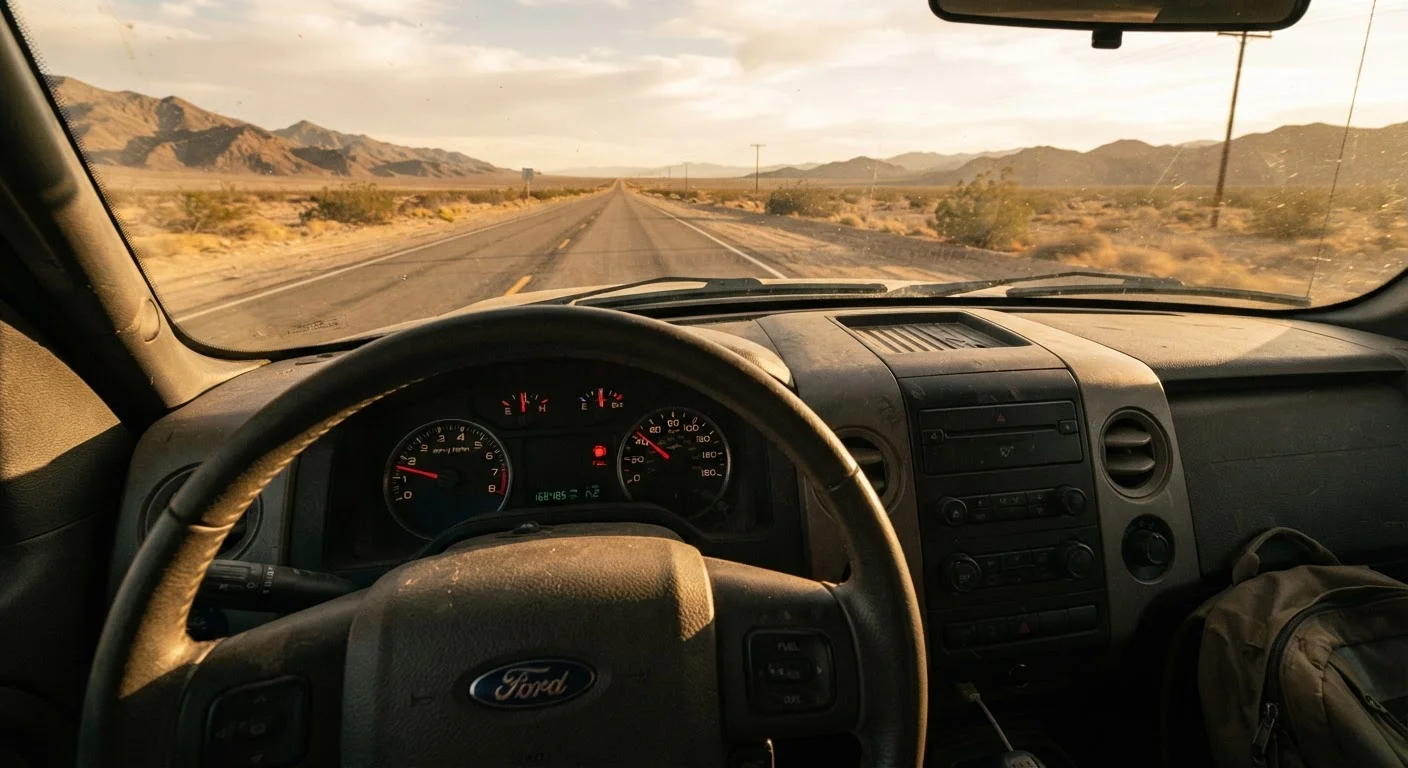
Photo credit: SmartReads.net | Simple Search, Relevant Results
In this article
Fuel planning is more than topping up at every stop. Learn how to time refuelling around traffic, terrain, and rural stretches with confidence.
Key Takeaways
- Plan fuel stops around terrain and traffic, not just distance, to avoid running low at the worst moments.
- Rural stretches can have gaps of 50 miles or more between stations - always refuel before entering them.
- Refuelling at 25-30% tank capacity gives you a reliable buffer without wasting time on excessive stops.
- Your vehicle's real-world MPG fluctuates with speed, load, and elevation - factor this into your planning.
- Navigation apps showing nearby stations are useful, but a downloaded offline map is your safety net in low-signal areas.
Why Fuel Planning Deserves More Thought Than It Gets
Most drivers treat refuelling as reactive - they pull in when the warning light blinks. On a familiar commute, that habit is usually fine. On a road trip through unfamiliar territory, it's a gamble you don't need to take.
Fuel planning is really about reading three variables at once: how much range your vehicle actually has under current conditions, what the road ahead looks like in terms of station availability, and how traffic or terrain might compress that range faster than expected. Get all three right, and fuel stops become a calm, scheduled part of the journey rather than a stressful scramble.
Before departure, it's worth running through a broader pre-trip checklist - including tyre pressure and load weight, both of which affect fuel economy. See our pre-departure vehicle checklist for the full picture.
Reading the Road Ahead: Terrain, Distance, and Dead Zones
Not all miles are equal. Mountainous terrain, strong headwinds, or a fully loaded vehicle can reduce your effective range by 10-20% compared to flat highway cruising. If your navigation shows an upcoming mountain pass or a long rural corridor, adjust your refuel target accordingly - don't wait for the gauge to dip below a quarter tank.
Rural gaps are the biggest risk for unprepared drivers. Some stretches of the American West and upper Midwest have service station gaps exceeding 50 miles, and the ones that do exist may have limited hours. A practical rule: if your next planned stop is more than 80 miles away and you're under half a tank, refuel now. The few extra minutes are always worth it.
Route type also matters. Scenic backroads are rewarding but often pass through small towns where fuel availability is inconsistent. Our breakdown of route types and their trade-offs covers how to weigh these factors when choosing your path.
Using Technology Without Depending on It
Navigation apps can surface nearby fuel stations, show current prices, and even flag station hours - genuinely useful when you're in unfamiliar territory. But cell coverage disappears in exactly the areas where station gaps are largest. Building a technology dependency without a fallback is a common mistake.
The smarter approach: before leaving, note the locations of fuel stations along your route at roughly 80-100 mile intervals. Screenshot or write these down. Then use live navigation as a supplement, not a crutch. Our guide to offline versus live navigation explains how to set this up before you leave signal range.
Understanding what your MPG display is actually telling you also sharpens your planning. The number fluctuates significantly based on speed, HVAC use, and load - so treating it as a fixed figure leads to miscalculations. Our explainer on what MPG readings actually mean is worth a read before any long haul.
Small Habits That Keep You Ahead of the Gauge
Fuel planning isn't just a pre-trip exercise - it's a mindset you carry through the drive. A few consistent habits make it nearly effortless.
Pair your fuel stops with other natural break points: a meal, a restroom stop, a driver change. This turns refuelling from a detour into a seamless part of the rhythm. It also reduces the temptation to push through when the gauge is low because stopping feels inconvenient.
If you're travelling with passengers or a heavy load, remember that weight and drag meaningfully reduce range. Roof racks, even when empty, create aerodynamic resistance that costs fuel at highway speeds. For a deeper look at these often-overlooked factors, see our article on hidden fuel drains.
Finally, smooth driving technique is one of the most reliable ways to extend your range between stops. Aggressive acceleration and hard braking can significantly cut into your effective MPG - something our piece on acceleration and braking patterns covers in practical terms.

Author
Autos Editorial Team
Autos Editorial Team is the collective byline for our editorial team and contributor network. Articles published under this byline or an editorial pen name are researched, written, and reviewed according to our editorial standards for clarity, consistency, and independence before publication.
View all articles →