
Idling, Air Conditioning, and Roof Racks: Hidden Fuel Drains Explained
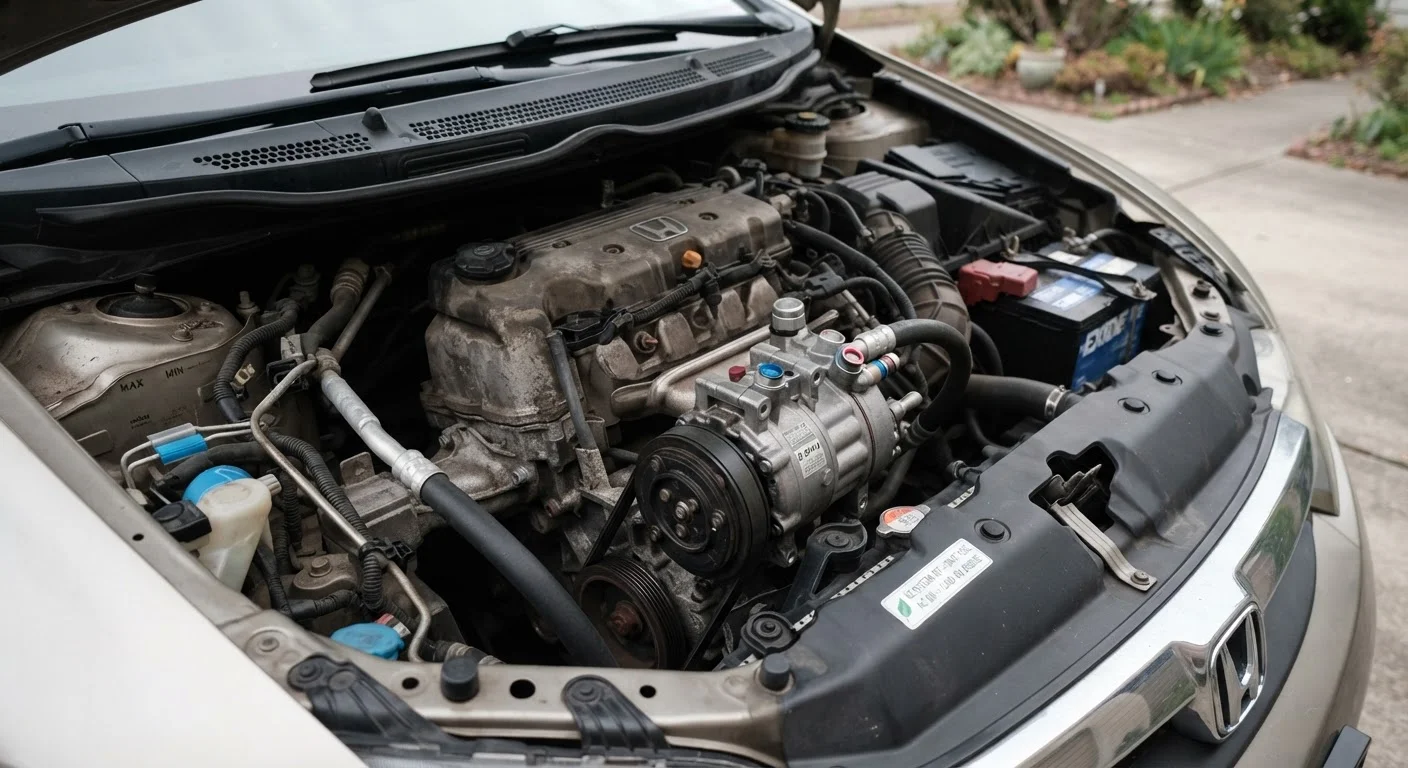
Photo credit: SmartReads.net | Simple Search, Relevant Results
In this article
Some of the biggest fuel efficiency losses come from habits drivers barely notice. Here's how idling, climate control, and drag quietly empty your tank.
Key Takeaways
- Idling for more than 60 seconds typically burns more fuel than restarting your engine.
- Air conditioning can reduce fuel economy by up to 25% in stop-and-go city driving.
- An empty roof rack adds measurable aerodynamic drag and worsens fuel economy at highway speeds.
- Small behavioral changes - removing unused racks, limiting idle time - compound into real savings.
- Understanding hidden fuel drains helps you make smarter choices without sacrificing comfort.
Why These Habits Go Unnoticed
Most fuel efficiency conversations focus on driving speed or tire pressure. But three of the most consistent fuel drains - idling, air conditioning use, and aerodynamic drag from roof-mounted gear - are habits that feel invisible because their costs accumulate gradually rather than showing up as a single obvious event.
Unlike an aggressive acceleration habit, which you can feel and hear, leaving an empty roof rack on your car for six months costs fuel silently every highway mile. The same is true for running the A/C on maximum or letting the engine idle at a coffee drive-through. None of these feel like choices. That's exactly why they matter.
For drivers trying to stretch their fuel budget or reduce their environmental footprint - often both at once - understanding these overlooked patterns is a logical next step after addressing acceleration and braking habits.
The Mistakes Costing You at the Pump
The following patterns are common across a wide range of drivers and vehicle types. Each one has a straightforward fix that doesn't require any hardware or significant behavior overhaul.
Leaving the engine running during extended stops - a habit many drivers don't think twice about.
Why it happens: Many people believe keeping the engine running saves fuel compared to restarting, or they simply don't want the inconvenience of switching off and on repeatedly.
Running air conditioning at maximum output as a default setting, regardless of conditions.
Why it happens: A/C is set once and forgotten - drivers rarely adjust it once a comfortable temperature is reached, leaving the compressor working harder than needed.
Leaving roof racks or cargo carriers mounted year-round even when not in use.
Why it happens: Installation and removal takes effort, so many drivers leave racks on permanently after a single camping or ski trip, not realizing the ongoing fuel cost.
Pre-warming the engine for several minutes before driving, especially in winter.
Why it happens: Older carbureted engines genuinely needed warm-up time. That habit has persisted even though modern fuel-injected engines reach operating temperature faster when driven gently.
Overloading the vehicle with cargo that isn't needed for the trip.
Why it happens: Trunks and rear cargo areas accumulate sports equipment, tools, and supplies that are rarely unloaded between trips, adding sustained weight the engine must move.
Up to 25%
A/C fuel economy reduction in city driving
The U.S. Department of Energy estimates air conditioning can reduce fuel economy by up to 25% in city stop-and-go conditions.
~1-2%
MPG lost per 100 lbs of extra weight
According to U.S. Department of Energy data, carrying an extra 100 pounds reduces fuel economy by approximately 1-2% in a typical passenger vehicle.
~8%
Highway MPG penalty from roof cargo boxes
The U.S. Department of Energy has cited rooftop cargo boxes as reducing highway fuel economy by around 2-8% depending on vehicle and box type.
Addressing these habits works alongside - not instead of - keeping up with key maintenance tasks like clean air filters and properly inflated tires. Both sets of factors shape how hard your engine works on every trip.
Putting It Into Practice
None of these fixes require a mechanical background or a significant time investment. The highest-impact changes - removing the roof rack between trips, adjusting A/C recirculation mode, and breaking the idling habit - can be adopted immediately.
Don't Disable Auto Start-Stop Without Cause
Many drivers find the auto start-stop system in modern vehicles jarring and permanently disable it using aftermarket modules. This eliminates a system specifically engineered to reduce fuel consumption and emissions at stops. Unless a verified mechanical issue exists, allowing the system to operate as designed is the more fuel-efficient choice. Consult your vehicle's owner manual for manufacturer guidance on the feature.
Before a longer drive, running through a brief pre-departure check is a reliable way to catch these issues before they compound across miles. See the fuel efficiency preparation checklist for a practical starting point. And if you want a clearer picture of which popular fuel-saving tips actually hold up to scrutiny, the evidence behind common fuel-saving advice is worth reviewing before committing to any new habit.
Small, consistent corrections to how you use your vehicle's systems add up to real savings over time - without sacrificing comfort or convenience in any meaningful way.

Author
Autos Editorial Team
Autos Editorial Team is the collective byline for our editorial team and contributor network. Articles published under this byline or an editorial pen name are researched, written, and reviewed according to our editorial standards for clarity, consistency, and independence before publication.
View all articles →