
Driving Smoothly: How Acceleration and Braking Patterns Shape Your Fuel Bill
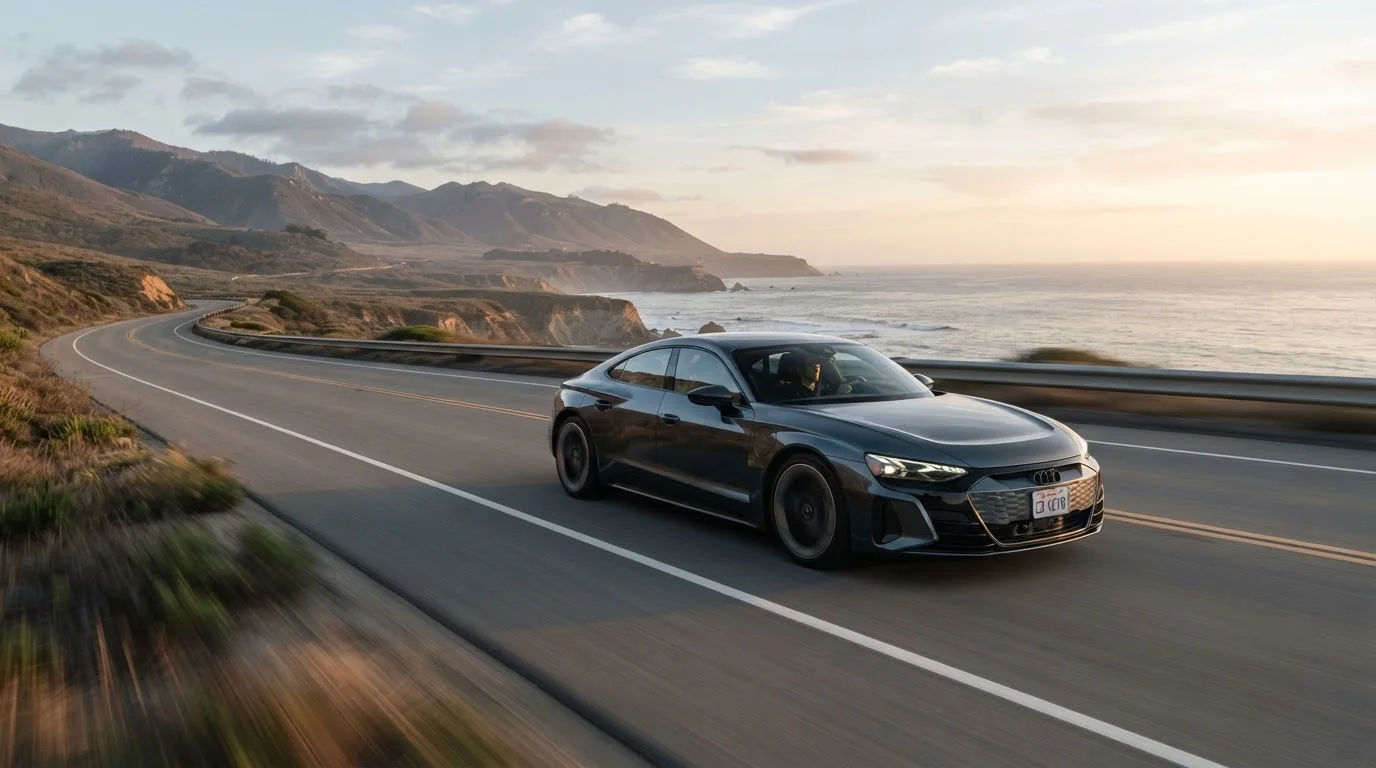
Photo credit: SmartReads.net | Simple Search, Relevant Results
In this article
Aggressive acceleration and late braking are among the biggest fuel wasters. Learn the techniques that smooth out your driving and stretch every tank.
Key Takeaways
- Aggressive acceleration is one of the largest controllable fuel wasters in everyday driving.
- Anticipating stops and coasting early eliminates unnecessary fuel burn from late hard braking.
- Maintaining a steady speed in the right gear keeps the engine in its most efficient operating range.
- Smooth driving habits can reduce fuel consumption noticeably without adding travel time.
- These techniques complement - not replace - proper vehicle maintenance for maximum efficiency.
Why Your Right Foot Is Your Biggest Fuel Variable
Vehicle efficiency ratings are measured under controlled laboratory conditions. Real-world consumption is driven, more than almost any other factor, by driver behavior. Research from government transportation agencies and automotive testing organizations consistently identifies aggressive acceleration and hard braking as among the most significant causes of above-average fuel consumption in everyday vehicles.
The physics are straightforward: fuel energy accelerates mass. When you brake aggressively, that energy is converted to heat and lost entirely. Do that repeatedly across a commute, and you've paid to heat your brake rotors rather than move your car. Smooth drivers, by contrast, spend fuel on forward motion - not waste.
This dynamic is especially pronounced in city driving, where frequent stops give smooth drivers many more opportunities to capture efficiency gains per mile. For a deeper look at how city and highway physics differ, see our city vs. highway fuel economy guide.
Safety Always Comes Before Efficiency
Every technique in this guide assumes you are driving within the law and responding appropriately to traffic conditions. Never coast through intersections, delay necessary braking, or drive below safe speeds in order to save fuel. Fuel savings are worthless if they compromise your safety or that of others on the road.
Before diving into technique, note that driving habits work alongside - not instead of - proper vehicle upkeep. Worn spark plugs, underinflated tires, and dirty air filters all force the engine to work harder regardless of how smoothly you drive. Our guide on maintenance items that impact fuel economy covers which service tasks move the needle most.
How to Build Smoother Driving Habits Step by Step
The techniques below require no special equipment and can be applied immediately in any vehicle. They're ordered by the sequence they occur in a typical drive - from departure to arrival.
What you will need
Trip computer / fuel economy display
Provides real-time and average MPG feedback so you can observe immediately how acceleration and braking choices affect consumption.
Cruise control
Maintains a consistent highway speed far more precisely than a human foot, eliminating the micro-accelerations that add up over long stretches.
Dashcam or driver-coaching app
Some apps and devices score your smoothness, acceleration, and braking harshness over time, helping you track improvement.
Read the road further ahead
Fuel-efficient driving starts before you touch the pedals. Scanning 10-15 seconds ahead - roughly the distance you cover in that time at your current speed - gives you time to react gradually rather than suddenly. Spot a red light a quarter-mile ahead? Ease off the accelerator now instead of maintaining speed and braking hard at the line.
This forward-looking habit is the foundation of everything else. It reduces the number of hard stops and restarts your engine must handle per trip.
Accelerate gently and progressively
When you pull away from a stop or merge onto a road, press the accelerator smoothly and progressively rather than flooring it. Rapid acceleration forces the engine into high-load, high-RPM operation - exactly where fuel consumption spikes. A gentle departure that brings you to cruising speed over five to eight seconds instead of two uses substantially less fuel for the same outcome.
Think of the accelerator pedal as a dial, not a switch. The goal is momentum, not urgency.
Maintain a steady cruising speed
Every time your speed fluctuates - up, then down, then up again - your engine works harder than necessary. On highways and open roads, cruise control is one of the most practical tools available for holding a consistent speed. On city streets, aim to match the pace of surrounding traffic smoothly rather than surging ahead only to brake at the next light.
Speed itself also matters: aerodynamic drag increases significantly at higher speeds, meaning the engine must work harder to maintain momentum. The relationship between speed and fuel consumption is not linear - small reductions from very high speeds can have a meaningful impact.
Anticipate stops and coast early
When you see a reason to slow down ahead - a red light, a roundabout, slowing traffic - lift your foot off the accelerator early and let the vehicle decelerate naturally. In a modern fuel-injected car, coasting in gear with no throttle input typically cuts fuel delivery to near zero. You're using kinetic energy you've already paid for, rather than burning more fuel to sustain speed only to waste it as heat in the brakes.
Early, gentle braking also extends brake pad life - a secondary cost saving.
Brake smoothly and progressively
When braking is necessary, apply pressure gradually and evenly rather than jamming the pedal at the last moment. Hard, late braking wastes the fuel energy used to build that speed, and it often means you'll need to re-accelerate sooner. Progressive braking gives the driver behind you time to react as well, reducing chain-reaction stops in traffic.
The goal is to arrive at a stop or reduced speed with the least possible wasted momentum - ideally, the light turns green just as you roll to a near stop, so minimal re-acceleration is needed.
Use engine braking on descents
On downhill stretches, stay in gear and allow engine braking - the natural resistance the drivetrain provides when you're off the throttle - to help control your speed. This approach uses no additional fuel while giving you more control than coasting in neutral. It's particularly effective on longer grades.
Use Your Tachometer as a Feedback Tool
In manual or semi-automatic vehicles, keeping engine RPM below 2,500 during acceleration is a practical rule of thumb for fuel-efficient driving. Many modern automatics display a gear-shift indicator - follow it. The lower the engine is working, the less fuel it burns.
Don't Coast in Neutral on Descents
Shifting into neutral while rolling downhill feels fuel-efficient but can actually increase consumption in modern fuel-injected vehicles, which cut fuel delivery entirely when you coast in gear with your foot off the accelerator. It also reduces engine braking and your ability to respond quickly to hazards.
Once these habits feel natural, consider pairing them with attention to other common fuel drains. Our article on idling, air conditioning, and roof racks covers the overlooked habits that quietly add up alongside your acceleration and braking patterns. And if you want to separate myth from reality across the broader range of efficiency advice, fuel-saving habits that actually work is a useful companion read.

Author
Autos Editorial Team
Autos Editorial Team is the collective byline for our editorial team and contributor network. Articles published under this byline or an editorial pen name are researched, written, and reviewed according to our editorial standards for clarity, consistency, and independence before publication.
View all articles →