
Wearable Devices for Busy Professionals: A Starter's Field Guide
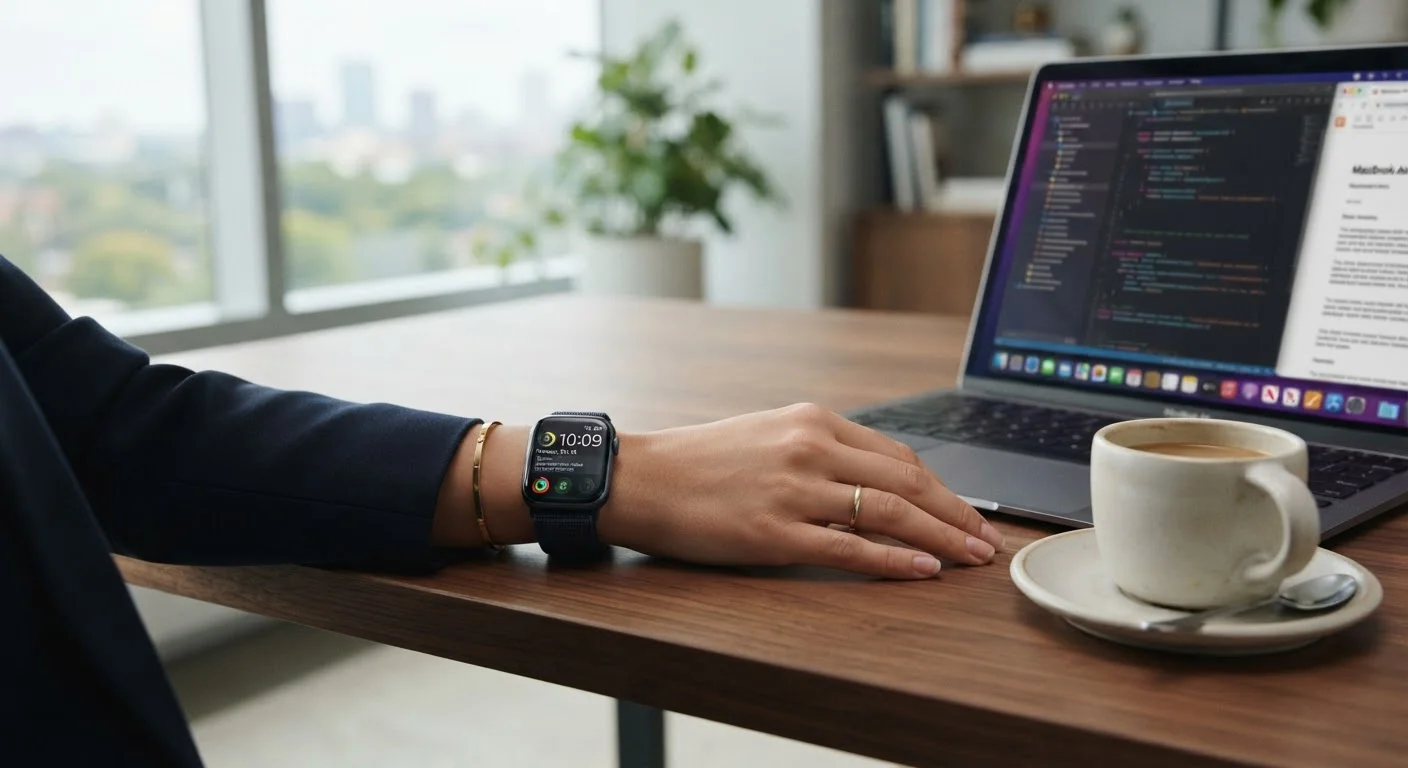
Photo credit: SmartReads.net | Simple Search, Relevant Results
In this article
New to wearables? This guide covers the core concepts, key features, and practical questions to answer before strapping one to your wrist.
Key Takeaways
- Wearables span several categories - smartwatches, fitness bands, and health monitors each serve different needs.
- Battery life, sensor accuracy, and platform compatibility are more important decision factors than raw feature count.
- Consumer-grade wearables provide useful trends and patterns, not clinical-grade diagnoses.
- Identifying one or two personal goals before choosing a device dramatically improves the odds of actually using it.
- Setup and notification management matter as much as the hardware itself for long-term usefulness.
What Wearable Devices Actually Are
A wearable device is any sensor-equipped piece of technology designed to be worn on the body - most commonly the wrist - that continuously or periodically collects data about your activity, physiology, or environment. The term covers a wide spectrum: from slim fitness bands that count steps and estimate sleep, to full smartwatches that run apps, handle payments, and stream music independently.
What makes wearables distinct from a smartphone's built-in sensors is persistent, passive monitoring. You carry your phone; you wear your device. That physical proximity enables measurements - like continuous heart rate or overnight sleep patterns - that a phone in your pocket simply cannot replicate reliably.
Optical heart rate sensor
A light-based sensor on the back of a wearable that measures blood flow through your skin to estimate heart rate. It works continuously but is less precise during fast movement.
Heart rate variability (HRV)
The variation in time between consecutive heartbeats. Many wearables use HRV as a proxy for recovery and stress - higher variability at rest is generally associated with better cardiovascular fitness.
SpO2
A shorthand for blood oxygen saturation - the estimated percentage of oxygen your red blood cells are carrying. Consumer wearables measure this optically and with less precision than clinical pulse oximeters.
ECG (electrocardiogram)
A recording of the heart's electrical activity. Some smartwatches include a single-lead ECG sensor that can detect certain rhythm irregularities, though it is not equivalent to a hospital ECG.
Companion app
The smartphone application that syncs with your wearable to store data, display trends, and let you adjust device settings. Without it, most wearables offer very limited functionality.
IP / water resistance rating
A standardized code (like IPX8 or 5ATM) that indicates how well a device resists water. Higher numbers mean greater protection - relevant if you plan to swim or shower while wearing the device.
The Main Categories and What They Track
Understanding the three primary categories helps cut through the noise:
- Fitness trackers - lightweight bands focused on steps, distance, calories, heart rate, and sleep. Typically offer the longest battery life and the simplest interfaces.
- Smartwatches - full-featured devices that layer communication (notifications, calls, messages), apps, and contactless payments on top of fitness tracking. Battery life is shorter, but utility is broader.
- Dedicated health monitors - devices built around a specific measurement, such as continuous glucose monitoring rings or ECG-focused bands. These serve more targeted, often medically adjacent purposes.
Most busy professionals find that the smartwatch or fitness tracker categories cover their needs. The right choice depends on whether your priority is insight into your body, an extension of your phone, or both. For a breakdown of the specific metrics these devices produce, see what your wearable actually measures.
Key Features Worth Understanding Before You Buy
Marketing spec sheets stack features that sound impressive but may not matter to you. Focus on these instead:
- Sensor set
- Optical heart rate is standard. ECG (electrocardiogram) capability, blood oxygen (SpO2) estimation, and skin temperature sensors add health depth but vary significantly in reliability across device tiers. See the wearable tech glossary for plain-language definitions of these terms.
- Battery life
- A device that needs charging every night competes directly with sleep tracking. Map expected charge cycles against your routine honestly. Display behavior is one major variable - always-on display settings can cut runtime significantly.
- Platform compatibility
- Some devices are deeply integrated with one phone ecosystem. Confirm the companion app works on your phone's operating system before assuming full feature access.
- Water resistance rating
- IPX ratings indicate splash and submersion tolerance. If you swim or sweat heavily, this matters more than most listed specs.
Prioritize Battery Life Early
When evaluating devices, mentally halve the advertised battery life to account for real-world use with GPS, notifications, and sleep tracking active. A device that genuinely fits your charging habits is one you will actually wear consistently - and consistency is what produces useful data over time.
Questions to Ask Yourself First
The most common reason wearables end up in a drawer is a mismatch between the device's defaults and the wearer's actual life. Before selecting a device, answer these honestly:
- What is the one metric I most want to improve or understand? Sleep quality, daily movement, stress indicators, and cardiovascular fitness each point toward different device strengths.
- How much friction am I willing to tolerate? Daily charging, app syncing, and notification management all require ongoing attention. A simpler device used consistently beats a sophisticated one ignored after two weeks.
- Does this fit my work context? A device worn through client meetings needs to look appropriate, not just function well.
- What is my privacy comfort level? Wearables generate continuous streams of personal health data. Understanding where that data goes and who can access it is a decision worth making deliberately, not after the fact.
What Wearables Cannot Do
Consumer wearables are powerful pattern-spotting tools - they are not diagnostic instruments. This distinction matters. Metrics like heart rate variability (HRV) and SpO2 can surface useful trends, but the sensors involved are consumer-grade optical devices, not clinical equipment. Results can vary based on skin tone, fit, motion, and ambient light.
A wearable that flags an irregular heart rhythm should prompt a conversation with your physician, not a self-diagnosis. Similarly, calorie burn estimates are approximations built on population averages, not precision measurements of your individual metabolism.
Wearable Alerts Are Not Diagnoses
If your device flags an unusual heart rhythm, abnormal SpO2 reading, or any other health metric, treat it as a prompt to speak with a healthcare professional - not as a confirmed finding. Consumer sensors have meaningful error rates, and self-interpreting medical data without clinical context can lead to unnecessary anxiety or, conversely, false reassurance. Always consult a qualified healthcare professional for any health concern.
For a clear-eyed look at where the numbers on your screen come from and where they fall short, our data guide covers each metric in detail. And if you have encountered bold claims about what wearables can detect, separating wearable myths from evidence is worth reading next.
Getting Started Without the Overwhelm
The most effective approach for new wearable users is to start narrow. Pick one metric to pay attention to for the first two weeks - most commonly resting heart rate or daily step count - and ignore everything else. Once that baseline feels natural, expand to a second area of focus.
Configuration matters more than most guides acknowledge. A device set up with the right notification filters and personal goals will feel like an asset; a device left at factory defaults will feel like an interruption. Setting up your wearable to fit your routine walks through the specific adjustments worth making from day one.
Wearables reward consistency. The value is in the trend over weeks and months, not the single-day readout. Approach yours as a long-term data journal, not a daily scorecard, and you will extract far more signal from what it records.
Wearable Glossary: The Terms You'll Actually Encounter
A plain-language reference covering the most common wearable tech terms - from VO2 max and ECG to NFC payments - so you can decode spec sheets and app dashboards with confidence.
Setting Up a Wearable Device to Actually Fit Your Routine
Step-by-step guidance on personalising health goals, managing notifications, and configuring your wearable so it works with your schedule rather than adding friction to it.
Frequently Asked Questions

Author
Technology Editorial Team
Technology Editorial Team is the collective byline for our editorial team and contributor network. Articles published under this byline or an editorial pen name are researched, written, and reviewed according to our editorial standards for clarity, consistency, and independence before publication.
View all articles →