
The Real Cost Difference Between Shopping Online and In a Store
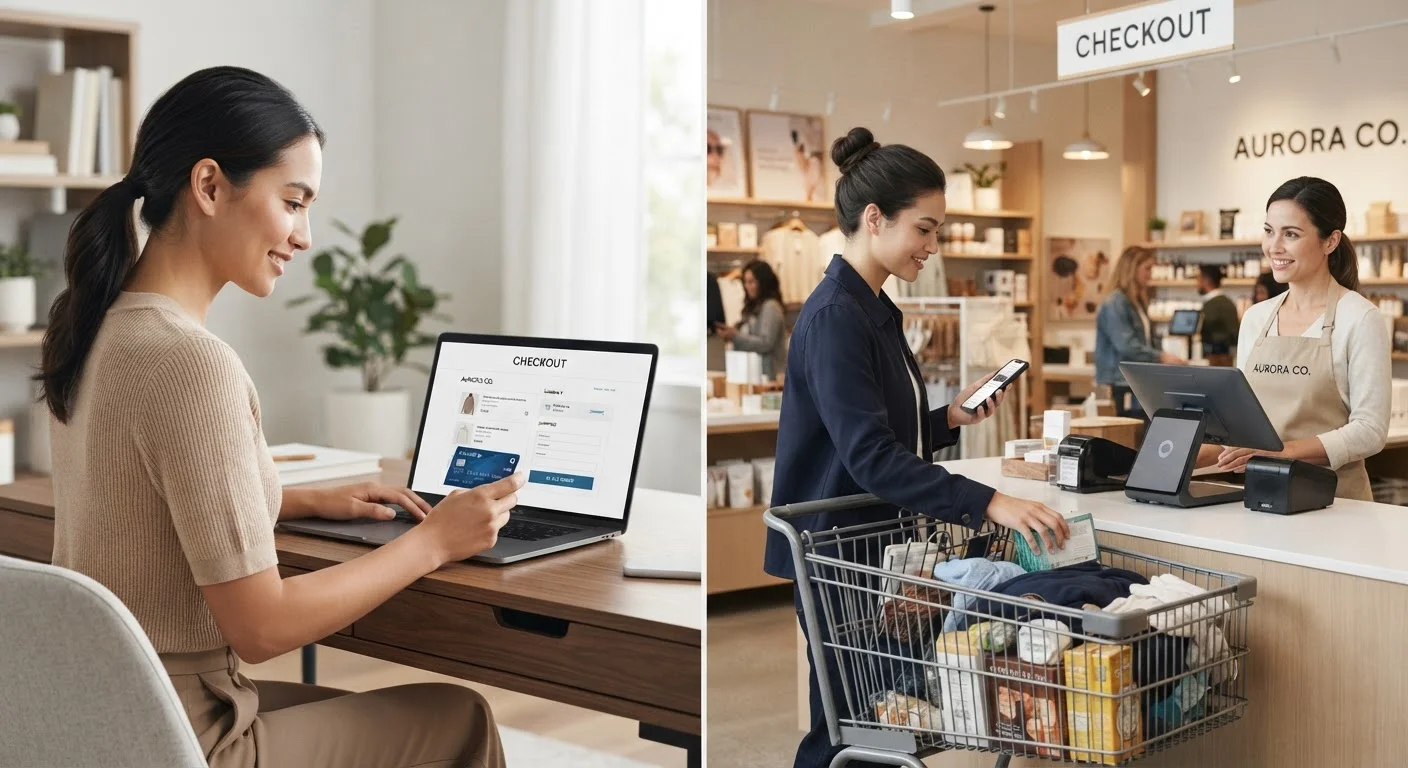
Photo credit: SmartReads.net | Simple Search, Relevant Results
In this article
Shipping fees, impulse buys, fuel costs — a clear-eyed look at what you actually spend across both shopping channels.
Key Takeaways
- Online shopping adds costs through shipping fees, return postage, and impulse add-ons triggered by recommendation algorithms.
- In-store shopping carries fuel, parking, and time costs that rarely factor into a shopper's mental accounting.
- Impulse spending is higher in physical stores but online carts are increasingly engineered to replicate the same effect.
- The channel that costs less depends on the category, purchase size, and how efficiently you shop.
- Free shipping thresholds often push shoppers to spend more than they intended to qualify.
What You're Really Paying When You Shop Online
The listed price is only the beginning. Online shopping introduces several cost layers that vary by retailer, order size, and timing.
Shipping fees are the most visible add-on. Even modest fees of $5-$8 per order compound quickly across a month of purchases. Many shoppers opt to hit a free shipping threshold instead - and that's where spending can quietly escalate. Adding an unplanned item to reach a $35 or $50 minimum often costs more than the shipping fee would have.
Return costs are a second, frequently underestimated expense. Online retailers increasingly charge for return shipping or deduct it from refunds. If sizing, color, or quality doesn't match expectations - common for apparel and home goods - those return fees eat into any price advantage. See how online and in-store return policies actually compare before assuming the process is cost-free.
Algorithm-driven impulse purchases round out the picture. Recommendation engines surface related products at precisely the right moment, and one-click purchasing removes the friction that might otherwise slow a decision. The result: carts that grow well past the original intent.
49%
Online shoppers who abandon carts due to unexpected fees
According to the Baymard Institute's research on US e-commerce cart abandonment, extra costs - including shipping and fees - are the leading reason shoppers leave without purchasing.
$13.50
Average US in-store impulse spend per shopping trip
Consumer behavior research has consistently found that in-store environments prompt unplanned purchases, with totals varying by store type and trip duration.
15-25%
Fee premium on grocery delivery orders
When delivery fees, service charges, and tips are combined, online grocery orders typically cost meaningfully more per basket than equivalent in-store purchases.
The Hidden Price Tag on a Store Trip
In-store shopping has its own cost structure that rarely gets tallied at checkout. Fuel costs for a round trip to a retail district or mall can easily run $3-$8 depending on distance and vehicle efficiency. Parking - particularly in urban areas - adds another $5-$15 in many cities. These costs are real, even if they feel invisible because they're paid separately.
Time is the most underappreciated in-store cost. A trip that includes travel, browsing, and waiting in line can consume 45 to 90 minutes. For busy professionals, that time has measurable value.
Physical retail environments are also designed for upselling. End-cap displays, checkout-lane placements, and in-store promotions are all deliberate triggers. A shopper entering for one item commonly exits with three. This isn't a personal failure - it's the intended outcome of how stores are laid out.
Where the Math Actually Lands
Neither channel is uniformly cheaper. The cost calculation shifts based on what you're buying, how much you're spending, and how disciplined the shopping session is.
For high-value, non-urgent purchases - electronics, furniture, appliances - online comparison shopping often surfaces better prices, especially with no-minimum free shipping on larger orders. For low-cost single items, in-store often wins because a $6 shipping fee on a $12 purchase is a 50% surcharge.
Category matters significantly. How each channel performs across tech, beauty, groceries, and clothing varies in ways that aren't always intuitive. Groceries ordered online, for example, can carry delivery fees, service fees, and tip expectations that together add 15-25% to the bill.
The smartest approach for most shoppers isn't loyalty to one channel - it's building a routine that draws on both channels strategically, assigning each purchase to whichever option minimizes total cost. For more on applying this thinking to your broader budget, the Smart Budgeting hub covers practical frameworks for doing exactly that.
Calculate total cost, not just item price
Before completing any purchase, add up the full cost: item price, shipping or fuel, estimated return risk, and any unplanned add-ons you've already included. This 15-second exercise often changes which channel looks cheaper. For recurring purchases, track which channel consistently costs less over a month - the pattern is usually clear.
The Costs You Control - and the Ones You Often Don't
Some costs are structural and difficult to avoid. Shipping fees, fuel prices, and parking rates aren't negotiable. But several significant costs are behavior-driven and therefore controllable.
Shopping with a defined list - and sticking to it - is the single most effective way to reduce impulse spending in both channels. In-store, this means resisting the checkout lane. Online, it means closing the tab after completing a purchase rather than browsing recommended items.
Timing also matters. Seasonal sales periods introduce their own cost traps - including the tendency to buy more than needed simply because a discount is available. A 30% discount on an item you wouldn't otherwise have purchased is still money spent, not saved.
Understanding the full cost picture - across both channels - is the prerequisite for making shopping decisions that hold up when the credit card statement arrives. The sticker price tells you very little. The total cost tells you everything.
Frequently Asked Questions

Author
Shopping Editorial Team
Shopping Editorial Team is the collective byline for our editorial team and contributor network. Articles published under this byline or an editorial pen name are researched, written, and reviewed according to our editorial standards for clarity, consistency, and independence before publication.
View all articles →