
Everyday Eating Patterns That Support a Diverse Gut Microbiome
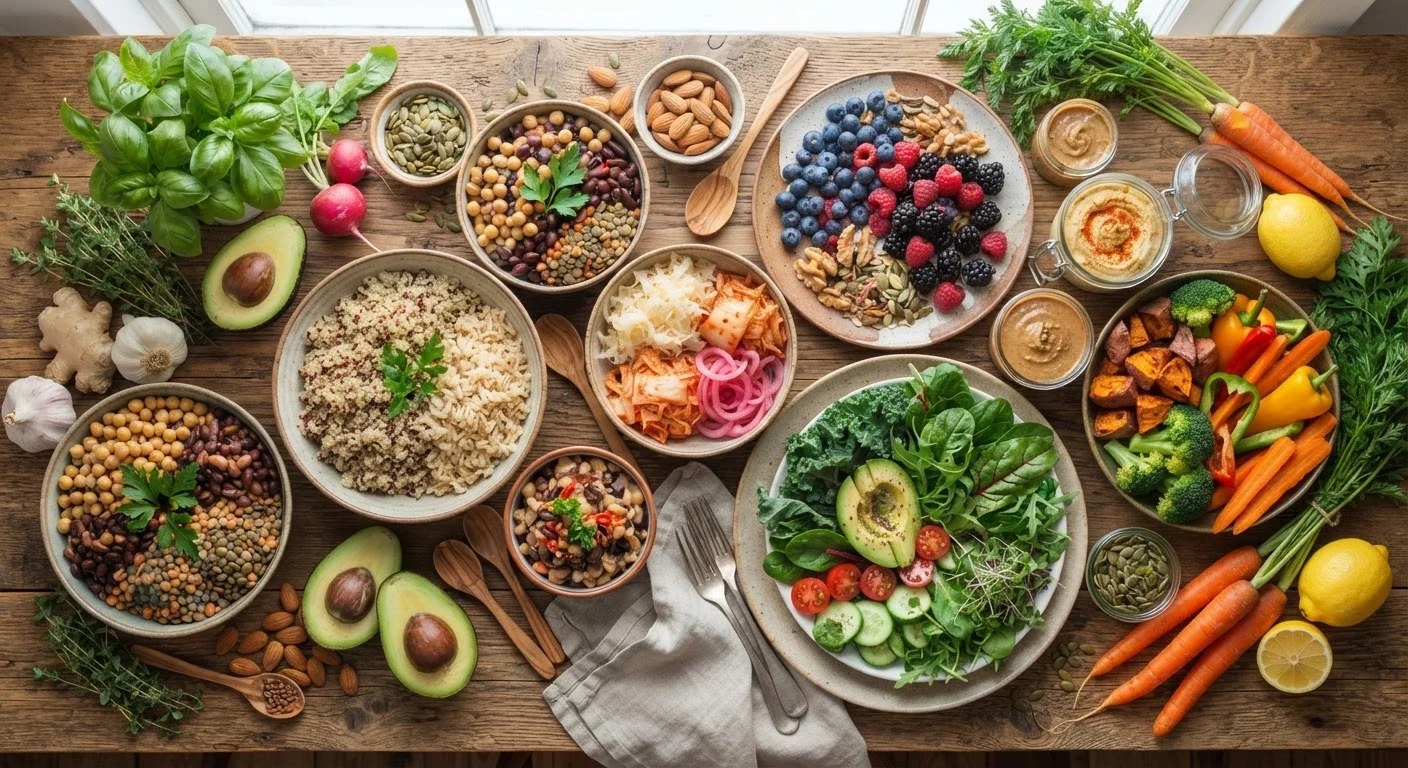
Photo credit: SmartReads.net | Simple Search, Relevant Results
In this article
Microbiome diversity is linked to better health outcomes. Discover the dietary habits researchers associate with a more varied microbial community.
Key Takeaways
- Eating a wide variety of plant foods each week is one of the most research-supported ways to increase microbiome diversity.
- Fermented foods introduce live microorganisms that may meaningfully shift microbial composition over time.
- Dietary fiber - especially from diverse sources - feeds beneficial gut bacteria and promotes short-chain fatty acid production.
- Consistency matters more than perfection; small, sustained additions outperform short-term overhauls.
- Ultra-processed food patterns are associated with reduced microbial diversity in observational research.
Why Dietary Patterns - Not Single Foods - Shape Gut Diversity
The gut microbiome - the vast community of bacteria, fungi, and other microorganisms living in your digestive tract - responds to your overall eating pattern far more than to any single superfood. If you want a primer on what the microbiome actually does, see our plain-language overview of the gut microbiome.
Researchers consistently find that people who eat a broader range of foods - particularly plant foods - tend to harbor a more species-rich microbial community. Diversity matters because different microbial strains carry out different metabolic jobs: fermenting fiber, producing vitamins, modulating immune signals. A less varied community is associated with less functional resilience, though causality is still being studied.
The practical implication is that gut-supportive eating is less about adding one magic ingredient and more about building consistent, varied habits over time. That framing also helps cut through a lot of popular noise - our piece on gut health claims that don't hold up to scrutiny covers where the evidence thins out.
A Note on Terminology
Terms like "prebiotics," "probiotics," "dysbiosis," and "short-chain fatty acids" come up frequently in gut health discussions and can blur together quickly. Our gut health glossary defines each of these clearly in plain language, so you can follow the science without needing a biology background.
Core Practices That Researchers Associate With a More Diverse Microbiome
The habits below are drawn from observational studies, dietary intervention trials, and current nutritional science. They represent patterns - not prescriptions - and should complement, not replace, guidance from your own healthcare provider.
Aim for 30 or more different plant foods per week
Large-scale microbiome research, including findings from the American Gut Project, found that people eating 30+ different plant varieties weekly showed significantly greater bacterial diversity than those eating 10 or fewer. Different plant compounds feed different microbial species, so variety is the mechanism - not volume alone.
Include fermented foods regularly, not just occasionally
A 2021 Stanford study published in Cell found that a high-fermented-food diet increased microbiome diversity and decreased markers of inflammation over 10 weeks. The benefit appeared tied to consistency of intake rather than large one-off servings.
Prioritize diverse fiber sources, not just total fiber grams
Dietary fiber - specifically prebiotic fiber - acts as fuel for beneficial gut bacteria, enabling them to produce short-chain fatty acids (SCFAs) that support gut lining integrity and immune function. Different fiber types (inulin, pectin, resistant starch) feed different bacterial populations, so diversity of source matters.
Reduce ultra-processed food frequency rather than eliminating it entirely
Observational data consistently links high ultra-processed food intake with lower microbial diversity, likely because these foods are low in fiber and phytonutrients while containing additives that some research suggests may affect the mucus layer in the gut. An all-or-nothing approach, however, creates stress and rigidity that is hard to sustain.
Eat mindfully and at a reasonable pace to support digestive function
Chewing thoroughly and eating without distraction improves mechanical breakdown of food, making nutrients and fibers more accessible further down the digestive tract. Chronic rushed eating is also associated with altered gut motility, which can affect which organisms thrive.
Getting Started Without Overhauling Your Whole Routine
One of the most common barriers busy professionals face is the assumption that improving gut health requires a dramatic dietary reset. The evidence doesn't support that framing - and it often backfires. Gradual additions to an existing routine are more sustainable and easier on digestion, particularly when increasing fiber intake.
For a broader look at how these habits fit into a sustainable daily eating pattern, see our hub on healthy eating habits and our feature comparing Mediterranean, plant-forward, and whole foods approaches.
It's equally useful to know what works against gut diversity. Explore everyday habits that quietly undermine gut health for the flip side of this picture.
This article is for general informational purposes only and does not constitute medical or dietary advice. Consult a qualified healthcare professional before making significant changes to your diet, especially if you have a digestive condition or chronic health concern.

Author
Diet & Meal Plans Editorial Team
Diet & Meal Plans Editorial Team is the collective byline for our editorial team and contributor network. Articles published under this byline or an editorial pen name are researched, written, and reviewed according to our editorial standards for clarity, consistency, and independence before publication.
View all articles →