
Widely Believed Gut Health Claims That Don't Hold Up to Scrutiny
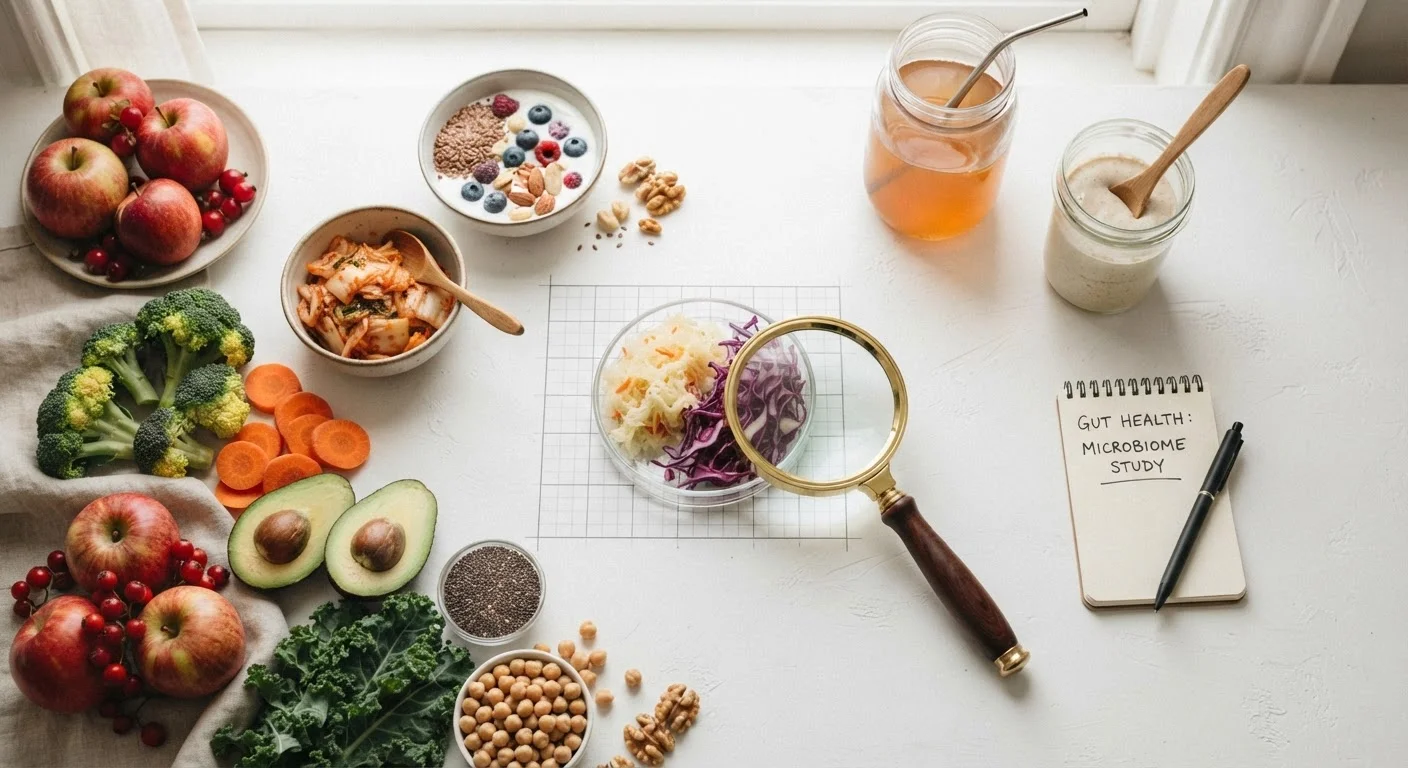
Photo credit: SmartReads.net | Simple Search, Relevant Results
In this article
From detox teas to leaky gut cures, we separate popular gut health claims from what the evidence actually supports.
Key Takeaways
- Detox teas and cleanses have no credible scientific backing for improving gut health.
- Probiotic supplements are not universally effective - strain, dose, and individual response all matter.
- "Leaky gut" is a real physiological concept, but many claimed cures remain unproven.
- Fiber diversity, not just quantity, is one of the most evidence-supported strategies for microbiome health.
- Gut health symptoms can signal underlying conditions - always consult a healthcare professional for persistent issues.
Why Gut Health Claims Deserve a Second Look
Gut health has become one of the most talked-about areas of nutrition - and one of the most commercially exploited. Between supplement marketing, social media wellness advice, and genuinely exciting emerging science, it can be difficult to know which claims reflect real evidence and which are getting ahead of the research. Understanding what the gut microbiome actually is and why it matters is a useful starting point before evaluating any health claim built around it.
The myths below represent some of the most widely repeated ideas in the gut health space - each one corrected with what current evidence actually supports.
Myth
Detox teas and juice cleanses flush toxins from your gut and reset your microbiome.
Fact
The liver and kidneys handle waste removal; no credible evidence shows that commercial cleanses alter the microbiome beneficially or remove "toxins."
The word "detox" is largely a marketing term when applied to consumer beverages and teas. Your liver, kidneys, and intestinal lining already perform continuous filtration and elimination. Peer-reviewed research has not established that any commercial cleanse product meaningfully changes microbial composition or removes metabolic waste more effectively than normal digestion. Some products can cause temporary water loss, which reads as weight loss on the scale - but this is not the same as improved gut function.
Myth
Taking any probiotic supplement will improve your gut health.
Fact
Probiotic effects are highly strain-specific, dose-dependent, and vary considerably between individuals - a product that works for one person may do nothing for another.
Not all probiotics are created equal. Research consistently shows that benefits are tied to particular bacterial strains, the number of live organisms delivered, and whether those organisms survive stomach acid to reach the colon. A supplement labeled "probiotic" is not a guarantee of effect. For a plain-language breakdown of how supplements compare to food sources, see our guide to fermented foods vs. probiotic supplements.
Myth
"Leaky gut" is either a myth invented by wellness influencers or a root cause of nearly every chronic disease.
Fact
Intestinal permeability is a real and actively studied phenomenon, but the evidence for broad disease causation - and most marketed "cures" - remains limited.
Increased intestinal permeability (sometimes called "leaky gut") describes a weakening of the tight junctions between intestinal cells, which can allow bacterial fragments to enter the bloodstream. This is a legitimate area of gastroenterology research, particularly in conditions like inflammatory bowel disease. However, claims that it underlies conditions ranging from autism to autoimmune disease, and that specific supplements can "seal" it, far outpace current evidence. If you're curious about the vocabulary here, our gut health glossary explains terms like dysbiosis and tight junctions in plain language.
Myth
Eating more fiber - any fiber - is all you need for a healthy microbiome.
Fact
Fiber diversity matters as much as total intake; different microbial species ferment different fiber types, so eating a wide variety of plant foods feeds a broader community.
Total fiber intake is an important starting point, but research in microbiome science increasingly points to plant-food variety as the stronger predictor of microbial diversity. Studies including large cohort data suggest that people who regularly eat 30 or more distinct plant foods per week tend to have more diverse gut communities than those relying on a narrow set of high-fiber staples. Beans, whole grains, vegetables, fruits, nuts, and seeds each contribute different prebiotic compounds that feed distinct bacterial populations. For practical eating patterns backed by this research, see everyday eating patterns that support a diverse microbiome.
Myth
Bloating after meals always signals a gut health problem that needs fixing.
Fact
Some degree of post-meal bloating is a normal part of digestion; persistent or painful bloating may warrant professional evaluation but is not automatically a sign of microbiome dysfunction.
Mild gas and distension after eating fermentable foods - legumes, cruciferous vegetables, onions - are entirely normal byproducts of healthy microbial fermentation. Framing all bloating as a pathology can lead people toward unnecessary elimination diets or unproven supplements. That said, bloating that is severe, chronic, or accompanied by other symptoms like blood in stool or significant weight changes does deserve medical attention. Our article on reading your digestive signals walks through what various gut symptoms may - and may not - indicate.
What You Can Actually Do to Support Your Gut
After debunking, it's fair to ask: what does work? The evidence-supported fundamentals are less exciting than a detox tea but considerably more effective over time.
Detox Products Can Carry Real Risks
Some detox teas and colon-cleanse supplements contain laxative compounds such as senna that, when used frequently, may disrupt electrolyte balance or contribute to dependency. Regulatory agencies have flagged certain products for undisclosed ingredients. If you're considering any cleansing product, speak with a pharmacist or doctor first.
- Eat a wide variety of plants. Aim for variety in your fruit, vegetable, legume, nut, and whole grain choices week over week.
- Include fermented foods where tolerated. Yogurt, kefir, kimchi, and sauerkraut contain live cultures that some research associates with microbiome benefits.
- Limit unnecessary antibiotic use. Antibiotics are sometimes essential, but they significantly disrupt microbial communities. Use only when prescribed.
- Manage chronic stress and sleep. Both are increasingly recognized as factors that influence gut barrier function and microbial balance.
Certain everyday habits can also quietly erode gut health without obvious warning signs - our article on habits that undermine gut health over time covers the patterns most worth knowing about.
30+
Plant food types linked to microbiome diversity
Research published in Cell (American Gut Project) found that people eating more than 30 different plant foods weekly had notably more diverse gut microbiomes than those eating 10 or fewer.
~38 trillion
Microbial cells estimated in the human gut
A widely cited 2016 estimate in Cell suggests the human body contains roughly equal numbers of microbial and human cells, underscoring the gut microbiome's biological scale.
Strain-specific
How probiotic benefits are classified in research
The International Scientific Association for Probiotics and Prebiotics emphasizes that health claims must be evaluated strain by strain, not for probiotics as a general category.
This article is for informational purposes only and is not a substitute for personalized medical or nutritional advice. Consult a qualified healthcare professional for any persistent digestive symptoms or before making significant dietary changes.
This Is Not Medical Advice
This article provides general educational information about gut health and nutrition science. It is not a substitute for personalized medical guidance. If you experience persistent digestive symptoms, consult a qualified healthcare professional before making significant changes to your diet or supplement routine.

Author
Diet & Meal Plans Editorial Team
Diet & Meal Plans Editorial Team is the collective byline for our editorial team and contributor network. Articles published under this byline or an editorial pen name are researched, written, and reviewed according to our editorial standards for clarity, consistency, and independence before publication.
View all articles →