
What Heat Actually Does to Your Hair Strand
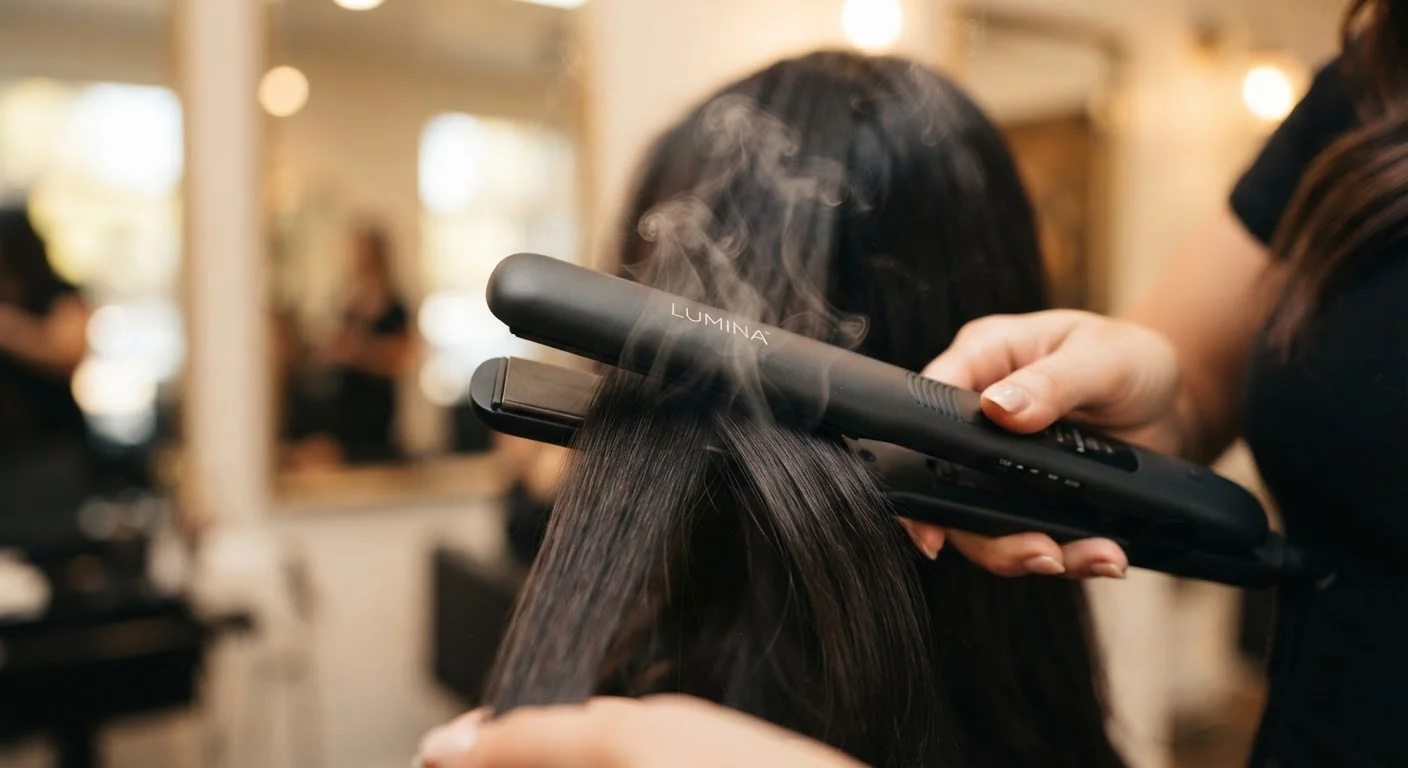
Photo credit: SmartReads.net | Simple Search, Relevant Results
In this article
Flat irons and blow dryers cause more than surface frizz. Understand the structural changes heat triggers — and what that means for daily styling habits.
Key Takeaways
- Heat damages hair by denaturing keratin proteins, not just drying out the surface.
- The cuticle - the outermost protective layer - is the first structure to degrade under heat.
- Damage accumulates with repeated exposure; a single session rarely causes dramatic structural change.
- Hair porosity affects how quickly heat penetrates and how much damage results.
- Thermal protectants reduce - but do not eliminate - heat-induced structural changes.
- Lower tool temperatures with slower passes often deliver similar style results with less cumulative harm.
The Three Layers Heat Has to Get Through
Hair is not a single material - it's a layered structure, and heat affects each layer differently. The outermost layer, the cuticle, consists of overlapping, scale-like cells that lie flat when hair is healthy. Beneath it sits the cortex, which makes up most of the strand's mass and contains the keratin protein bundles responsible for strength and elasticity. At the center is the medulla, a loosely structured core present in thicker hair types.
When a flat iron or blow dryer applies heat, the cuticle takes the first hit. Those protective scales begin to lift and separate at relatively modest temperatures - a process that increases surface porosity and dulls light reflection (which is why heat-damaged hair often looks matte rather than glossy). As temperature or exposure time increases, heat penetrates into the cortex, where the real structural conversation happens.
Knowing your hair's baseline porosity matters here. If you're unsure where yours falls, our guide to understanding your hair type covers porosity alongside other structural characteristics worth knowing before adjusting your heat routine.
What Happens to Keratin Under High Heat
Keratin proteins are held in shape by several types of chemical bonds - hydrogen bonds, disulfide bonds, and salt bonds - that collectively determine how hair responds to tension, moisture, and mechanical stress. Heat disrupts these bonds in a specific sequence.
Hydrogen bonds break first, which is actually what makes thermal styling possible: loosening hydrogen bonds allows the hair to be temporarily reshaped into a curl or straightened. The problem begins when temperatures climb high enough to affect disulfide bonds, which are far stronger and more structurally significant. Disrupting disulfide bonds causes keratin to denature - the proteins unfold and cannot return to their original configuration. The result is hair that feels brittle, loses its natural spring or curl pattern, and breaks more easily under normal combing or styling tension.
“The cortex is the load-bearing structure of the hair fiber. Once the disulfide bonds within it are disrupted by heat, you're not reconditioning your way back to original tensile strength - you're managing the damage, not reversing it.”
— Hair Science Advisory, Summary of consensus in peer-reviewed trichology literature
Repeated sessions compound the effect. Each round of high-heat exposure degrades a portion of the cortex's protein matrix, and conditioning treatments can mask the tactile feel of damage without addressing the underlying structural loss.
Moisture Loss and the Dryness Cycle
Heat doesn't only alter proteins - it drives moisture out of the hair shaft rapidly. A healthy strand contains roughly 10-15% water, which contributes to its flexibility and resistance to breakage. High-heat tools can reduce that moisture level dramatically in a matter of seconds, leaving the cortex brittle and the cuticle more prone to cracking.
The compounding issue is that a lifted, porous cuticle absorbs moisture more readily in humid conditions (causing frizz) but also loses it faster in dry environments. Hair becomes reactive rather than stable - swelling and contracting with environmental changes in ways that create additional mechanical stress on already-weakened protein structures.
Lower Temperature, Slower Pass
Rather than making multiple fast passes at maximum heat, try a single slow pass at a lower temperature setting. Studies on thermal styling suggest this approach can achieve comparable styling results while reducing the peak temperature reached in the cortex. Always ensure hair is fully dry before using flat irons - water trapped in the shaft superheats and causes more severe internal damage.
This moisture-loss cycle is one reason why many persistent hair care beliefs don't hold up to scrutiny - surface softness after a conditioning treatment can mask significant cortical dryness underneath.
Practical Implications for Daily Heat Habits
The goal isn't to eliminate heat styling - for many people, that's neither realistic nor necessary. The goal is to reduce cumulative structural stress through smarter tool use and informed product choices.
- Temperature: Lower settings (below 180°C / 356°F) cause meaningfully less protein denaturation. Fine or chemically processed hair warrants extra caution.
- Contact time: Slower passes with less repeat overlap reduce localized heat concentration in the cortex.
- Protectants: Film-forming polymers and silicones in thermal protectants reduce heat transfer speed and surface moisture loss - apply to damp, not dripping-wet hair for best distribution.
- Frequency: Daily heat use leaves insufficient time for the hair's moisture content to stabilize between sessions.
If you want to go deeper on which ingredients in your styling products are actually doing structural work, our plain-language breakdown of hair product ingredients explains what to look for on a label and why it matters.
140°C
Temperature where keratin denaturation begins
Published hair science research identifies approximately 140°C (284°F) as the threshold at which keratin proteins begin to structurally degrade.
10-15%
Water content in a healthy hair strand
Dermatological references cite this range as the normal moisture level that supports flexibility and resistance to mechanical breakage in undamaged hair.
230°C+
Maximum heat of common flat irons
Many consumer flat irons and curling wands are capable of reaching temperatures well above the keratin denaturation threshold on their highest settings.
This article is for informational purposes only. For personalized hair or scalp health concerns, consult a licensed trichologist or dermatologist.
Frequently Asked Questions

Author
Beauty Editorial Team
Beauty Editorial Team is the collective byline for our editorial team and contributor network. Articles published under this byline or an editorial pen name are researched, written, and reviewed according to our editorial standards for clarity, consistency, and independence before publication.
View all articles →