
Hair Care Myths That Science Has Largely Settled
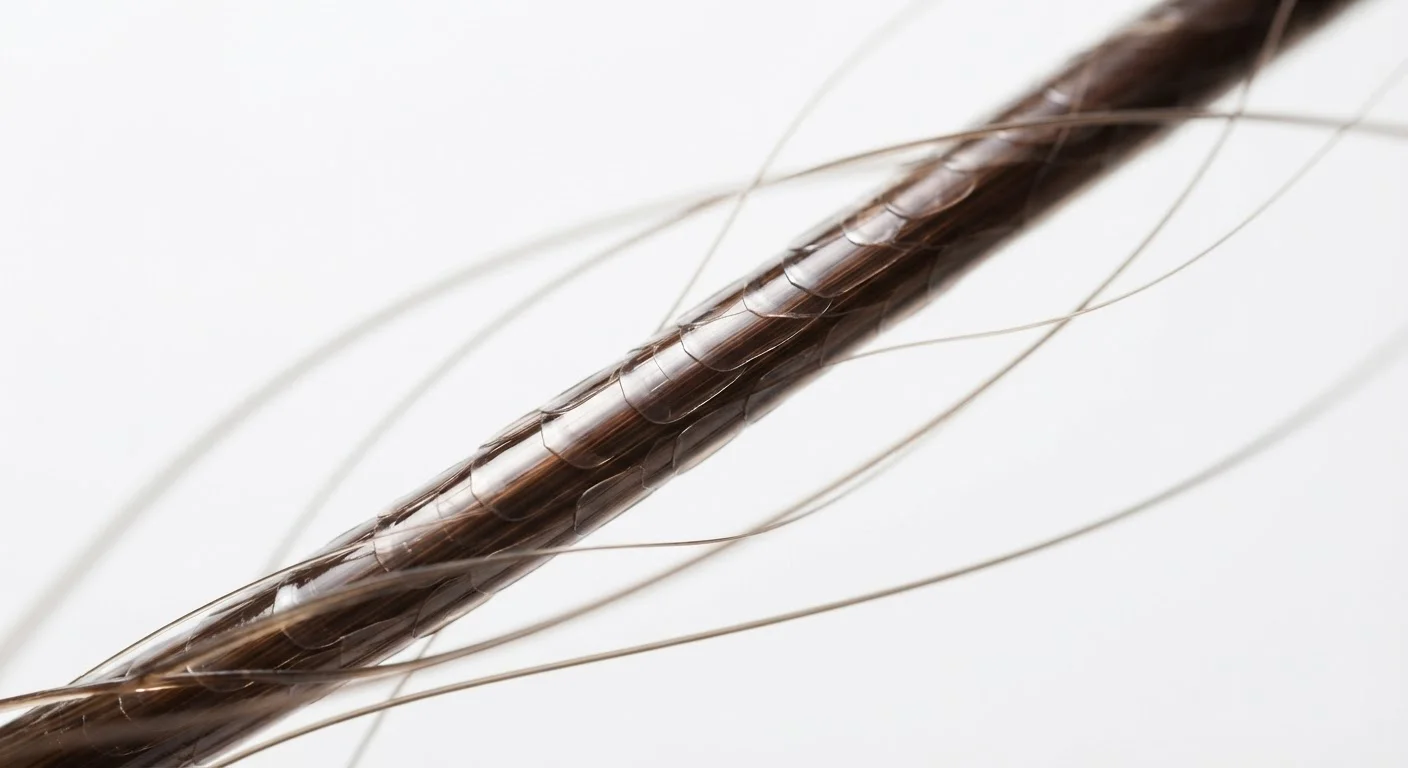
Photo credit: SmartReads.net | Simple Search, Relevant Results
In this article
From trimming making hair grow faster to oils penetrating the shaft — separating persistent hair care myths from what research actually supports.
Key Takeaways
- Trimming hair does not speed up growth - growth originates at the scalp follicle.
- Most oils sit on the hair surface rather than penetrating the cortex deeply.
- Brushing hair 100 strokes a day causes friction damage, not shine or growth.
- Cold water rinsing provides minimal structural benefit beyond what conditioner already does.
- Hair porosity and type determine product performance far more than any single ingredient.
Why Hair Myths Are So Persistent
Hair care advice travels fast - through family, social media, and decades-old beauty columns - often outpacing the science. Many widely repeated tips were never evidence-based to begin with; others were reasonable before modern hair chemistry existed but have since been superseded. For busy professionals, the cost of following bad advice isn't just wasted product. It can mean real damage, unnecessary expense, and routines that don't deliver. The myths below have enough research behind them to be considered largely settled.
Hair Is Not Living Tissue Above the Scalp
The visible hair shaft is composed of dead, keratinized cells. This means it cannot repair itself biologically - only the follicle at the scalp root is alive and actively producing new growth. Understanding this distinction changes how you evaluate every hair care claim you encounter.
Separating Myth From Fact
Each of the following misconceptions has been examined through cosmetic science, dermatology research, or both. The corrections aren't about perfectionism - they're practical course-corrections that change how you shop for products, build routines, and evaluate the advice you encounter.
Myth
Trimming your ends makes your hair grow faster.
Fact
Hair growth is determined entirely by follicle activity at the scalp - trimming the ends has no influence on that process.
Hair grows from the follicle, a living structure embedded in the scalp. The ends of your hair are the oldest, most weathered portion of the strand - entirely disconnected from the growth mechanism. Trimming removes split ends and prevents breakage from traveling up the shaft, which preserves length over time, but it does not accelerate growth rate. Average growth is roughly half an inch per month regardless of how frequently you trim.
Myth
Oils deeply penetrate and nourish the hair shaft from within.
Fact
Most oils coat the outer cuticle layer rather than penetrating the cortex; a small number, such as coconut oil, show limited cortex absorption in research.
The hair cortex is a tightly packed protein matrix. Studies published in the Journal of Cosmetic Science have found that coconut oil, due to its low molecular weight and straight carbon chain, can partially penetrate the shaft and reduce protein loss during washing. However, the vast majority of heavier oils - argan, jojoba, castor - function primarily as surface sealants, reducing friction and improving shine without reaching the cortex. Both functions are useful; the distinction matters when evaluating product claims. For a fuller breakdown, see ingredients in hair products worth understanding.
Myth
Brushing your hair 100 strokes a day promotes growth and adds shine.
Fact
Excessive brushing creates mechanical friction that lifts and chips the cuticle, leading to frizz, breakage, and surface damage.
This myth traces back to pre-shampoo grooming practices when brushing distributed natural scalp sebum down the shaft - a reasonable approach before modern conditioning products existed. Today, over-brushing, particularly on dry hair, is a well-documented cause of cuticle damage and breakage. Brush enough to detangle and style, using a wide-tooth comb on wet hair to minimize stress. Scalp stimulation from gentle massage is a separate matter and has some research support for circulation, but brushing the shaft aggressively adds no benefit.
Myth
Rinsing with cold water seals the cuticle and dramatically improves hair health.
Fact
Cold water may temporarily flatten the cuticle, but this effect is modest and conditioner does the heavy lifting.
The cuticle - the outermost layer of overlapping scale-like cells - does respond slightly to temperature, lying flatter in cooler conditions. However, the effect of a cold rinse is minor compared to the film-forming and conditioning agents in leave-in and rinse-out conditioners, which coat and smooth the cuticle more effectively. A cold rinse won't hurt, but it isn't a substitute for appropriate conditioning matched to your hair type.
Myth
Washing your hair every day causes it to become oily faster over time.
Fact
Sebum production is regulated by the scalp's sebaceous glands, not trained by washing frequency.
Sebaceous glands respond primarily to hormonal signals, not to how often you shampoo. While it's true that stripping hair with harsh surfactants can prompt a temporary increase in sebum output as the scalp compensates, this is not a permanent retraining effect. Wash frequency should be guided by your scalp type, activity level, and styling habits - not fear of dependency. Finding your ideal wash frequency is a more productive frame than avoiding washing altogether.
Myth
Hair loss from styling means you're losing hair permanently.
Fact
Shed hairs from brushing or washing are almost always in the natural telogen (resting/shedding) phase - not a sign of follicle damage.
The average scalp sheds between 50 and 100 hairs per day as part of the normal hair growth cycle. Hairs that fall during brushing or shampooing were already in the telogen phase, meaning the follicle released them naturally. Persistent, diffuse thinning or bald patches are different and warrant consultation with a dermatologist. Scalp health plays a genuine role in long-term follicle function, making it worth monitoring separately.
Excess Heat Causes Cumulative Structural Damage
Repeated high-heat styling degrades the disulfide bonds within the hair's cortex, leading to breakage and loss of elasticity over time. This process is largely irreversible in already-grown strands. See what heat actually does to your hair strand for the structural science behind this.
What This Means for Your Routine
Understanding the science behind these myths helps you strip your routine down to what actually works. Prioritize consistent conditioning, gentle handling - especially on wet hair - and a wash schedule tuned to your scalp rather than folklore. For more targeted guidance, a five-minute morning routine offers practical steps that respect both the science and your schedule. If you're curious how these principles extend to skin care, natural beauty myths dermatologists keep debunking applies the same evidence-based lens to common skin claims.
~0.5 in/month
Average human hair growth rate
This figure is consistent across dermatological literature and is unaffected by trimming, scalp massage, or most topical treatments.
50-100
Hairs shed per day on average
Dermatologists consider this range normal; shedding within this window typically reflects the natural telogen phase, not damage.
This article is for general informational and educational purposes only. It does not constitute medical or dermatological advice. Consult a qualified healthcare professional for concerns about hair loss, scalp conditions, or any health-related symptoms.

Author
Beauty Editorial Team
Beauty Editorial Team is the collective byline for our editorial team and contributor network. Articles published under this byline or an editorial pen name are researched, written, and reviewed according to our editorial standards for clarity, consistency, and independence before publication.
View all articles →