
SPF as an Anti-Aging Tool: The Case for Daily Sun Protection
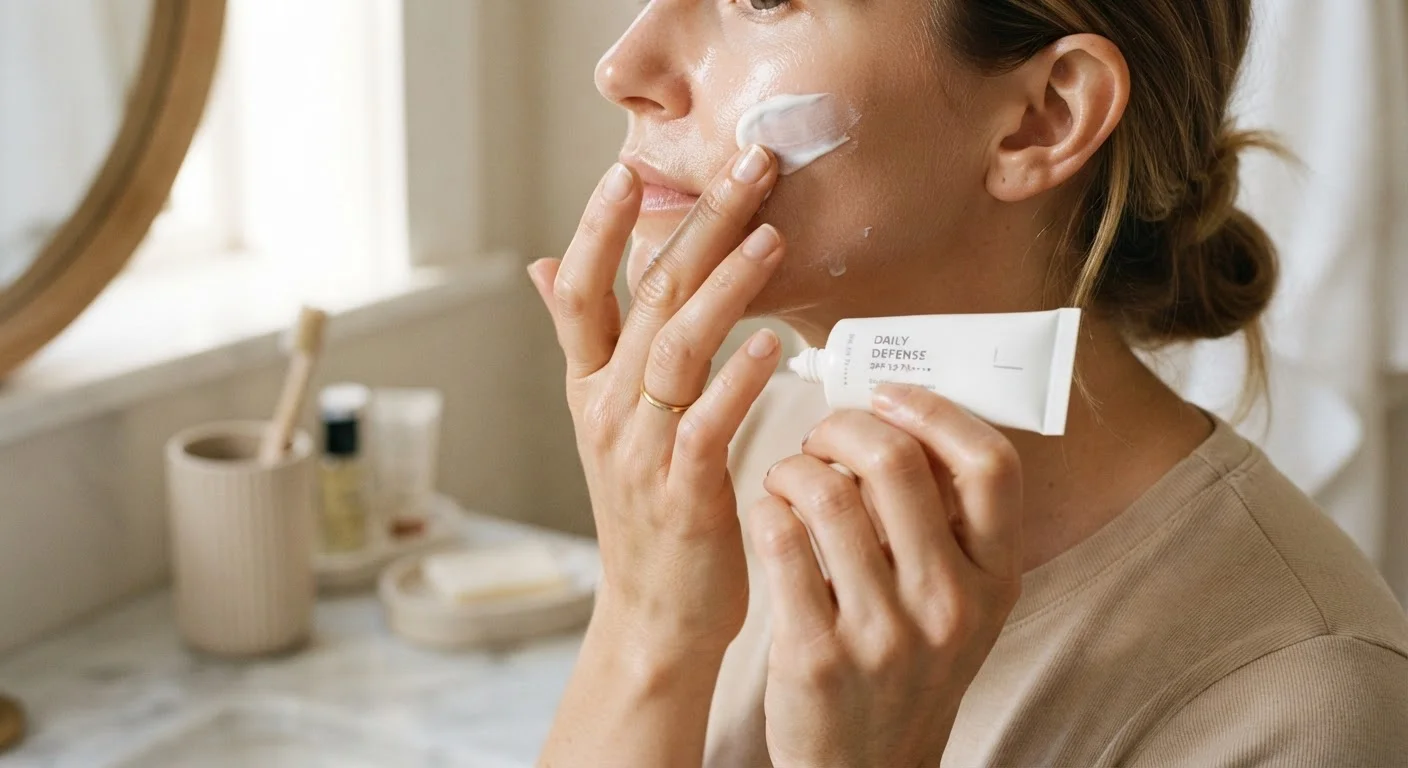
Photo credit: SmartReads.net | Simple Search, Relevant Results
In this article
Photoaging is one of the most well-documented causes of premature skin aging. Here's what the dermatology literature says about prevention.
Key Takeaways
- Up to 80% of visible facial aging is attributed to UV exposure, not chronological age alone.
- Both UVA and UVB rays contribute to photoaging through distinct but overlapping mechanisms.
- Broad-spectrum SPF 30 or higher, applied daily, is consistently supported by dermatological research.
- Sun protection benefits accumulate over time - starting later still yields meaningful protective gains.
- SPF works best as part of a consistent routine, not an occasional measure on sunny days.
Why UV Radiation Is the Leading Driver of Premature Skin Aging
Of all the factors that visibly age skin ahead of its biological timeline, UV radiation has the strongest and most consistent evidence base. Research published in dermatology literature - including a frequently cited study in Clinical, Cosmetic and Investigational Dermatology - has estimated that solar UV exposure accounts for approximately 80% of visible facial aging signs. To understand why SPF matters so profoundly, it helps to understand what UV radiation actually does at a cellular level.
The sun emits two types of UV rays that reach the skin's surface: UVA and UVB. UVB rays are shorter-wavelength and primarily responsible for surface burning and direct DNA damage to skin cells. UVA rays penetrate more deeply into the dermis - the structural layer of the skin - where they degrade collagen and elastin, generate free radicals, and trigger chronic inflammation. Over years, this cumulative damage translates into the wrinkles, sagging, uneven tone, and rough texture that we associate with aged skin. For a deeper look at the biology underpinning these changes, see what the science says about how skin ages.
~80%
Of visible facial aging attributed to UV exposure
Cited in peer-reviewed dermatology literature, including research published in Clinical, Cosmetic and Investigational Dermatology.
4.5 years
Duration of landmark SPF randomized controlled trial
A trial published in Annals of Internal Medicine demonstrated measurably less skin aging in daily sunscreen users versus as-needed users over this period.
UVA + UVB
Both ray types require broad-spectrum coverage
UVA penetrates deeply to damage collagen; UVB causes surface burning and DNA damage - broad-spectrum SPF addresses both simultaneously.
How Sunscreen Interrupts the Photoaging Process
Broad-spectrum sunscreens work by absorbing, reflecting, or scattering UV radiation before it can penetrate skin. Chemical (organic) filters absorb UV energy and convert it to heat; mineral filters - primarily zinc oxide and titanium dioxide - physically deflect UV rays. Most modern formulations combine both mechanisms for broader coverage.
The anti-aging mechanism is not cosmetic - it is biochemical. By reducing UV dose at the skin surface, sunscreens limit the activation of MMPs, the enzymes that break down collagen. They also reduce UV-induced oxidative stress, which contributes to cellular senescence (the process by which skin cells lose the ability to regenerate properly). Consistent, daily use is the operative phrase: the protective benefit is cumulative and proportional to the consistency of application over time.
A landmark randomized controlled trial published in Annals of Internal Medicine found that participants assigned to daily sunscreen use showed measurably less skin aging over a four-and-a-half-year period compared to those who used it only as needed. This remains one of the most robust clinical demonstrations that sunscreen use produces a quantifiable reduction in photoaging.
Make SPF Part of Your Morning Ritual
Apply sunscreen as the final step of your morning skincare routine, after moisturizer and before makeup. Use about a quarter teaspoon for the face and neck - most people underapply, which significantly reduces real-world SPF performance. Choosing a texture you find comfortable increases the likelihood of daily adherence.
SPF in the Context of a Broader Anti-Aging Routine
SPF does not operate in isolation. It is most effective when understood as a foundational layer - the step that protects the cellular infrastructure that other interventions work to maintain or restore. Active ingredients like retinoids and antioxidant serums address existing damage and stimulate repair pathways, but without daily UV protection, new damage accumulates and undermines those efforts. For context on how those ingredients interact with the evidence base, understanding the evidence behind retinol, peptides, and vitamin C offers a useful companion reference.
It's also worth noting what SPF is not: it is not a substitute for shade, protective clothing, or reducing peak-hour sun exposure. Sunscreen is one layer in a sun-safe approach, not a complete shield. Reapplication every two hours during outdoor exposure - or after swimming or sweating - is consistently recommended by dermatological guidelines to maintain adequate protection levels.
For readers building a consistent routine, it's also worth auditing habits that may be working against skin health. Skincare habits that quietly accelerate skin aging outlines some of the common missteps that counteract otherwise sound approaches.
A Note on SPF Numbers and Real-World Protection
SPF numbers represent the degree of protection against UVB rays under controlled laboratory conditions - SPF 30 blocks approximately 97% of UVB rays, while SPF 50 blocks approximately 98%. The difference is modest but meaningful for high-exposure situations. No sunscreen blocks 100% of UV radiation, and the label SPF value is only achievable when the product is applied at the tested quantity and reapplied as directed.
This article is for general informational and educational purposes only. It is not a substitute for professional dermatological advice. If you have concerns about skin health or a specific skin condition, consult a qualified dermatologist.
Frequently Asked Questions

Author
Beauty Editorial Team
Beauty Editorial Team is the collective byline for our editorial team and contributor network. Articles published under this byline or an editorial pen name are researched, written, and reviewed according to our editorial standards for clarity, consistency, and independence before publication.
View all articles →