
Why Your Blind Spot Is Bigger Than You Think
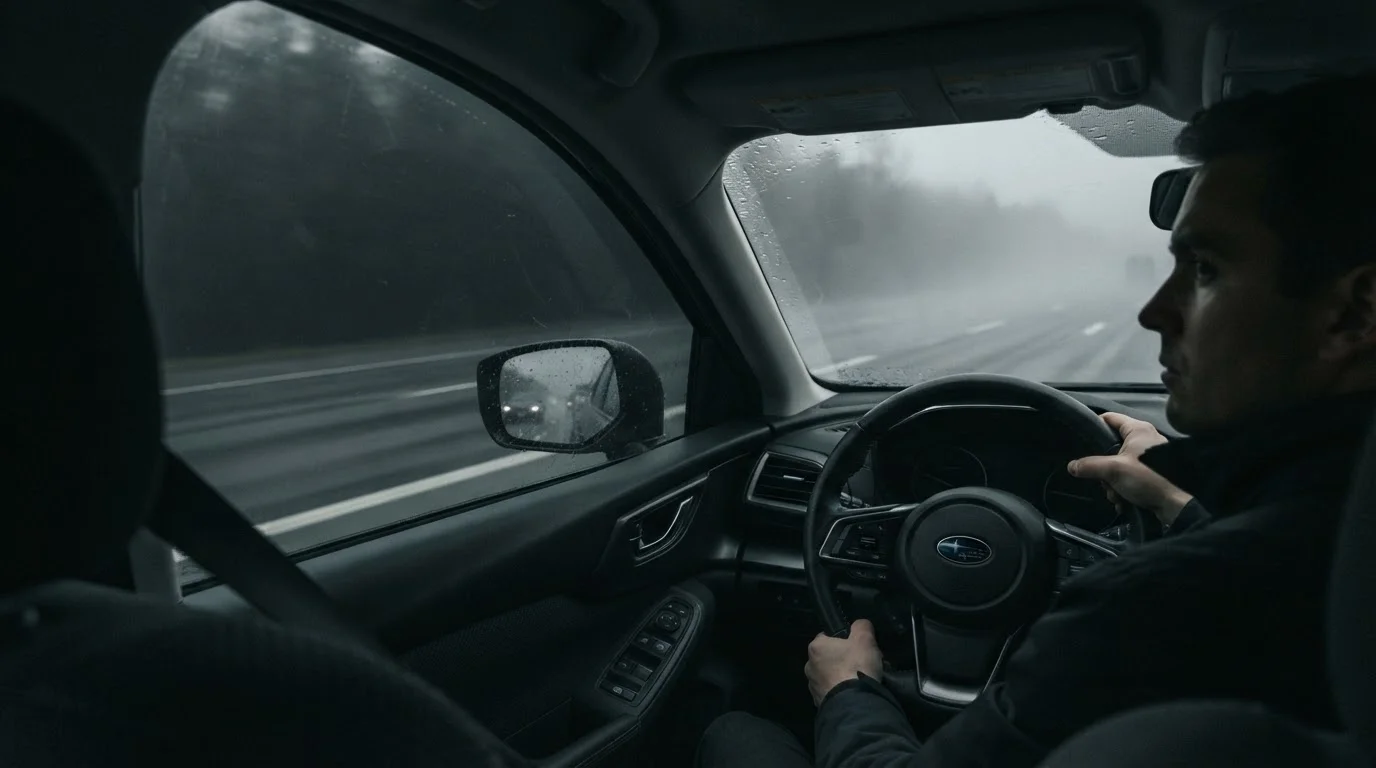
Photo credit: SmartReads.net | Simple Search, Relevant Results
In this article
Blind spots cause thousands of collisions each year. Learn what creates them, how to map yours, and habits that reduce risk.
Key Takeaways
- Blind spots are created by the vehicle's structure, not driver inattention alone.
- A full-size vehicle can disappear completely into your blind spot at highway speeds.
- Correct mirror positioning reduces - but never eliminates - blind spot coverage gaps.
- A physical head check (shoulder check) remains the most reliable way to clear a blind spot.
- Blind spot monitoring systems are a useful aid but have documented detection limits.
- Lane-change collisions are among the most common crash types linked to blind spots.
What Actually Creates a Blind Spot
Every vehicle is a collection of metal, glass, and structural supports - and each of those elements blocks some portion of the driver's view. The most commonly overlooked blind spots fall into three categories:
- Side and rear quarters: The zone beside and slightly behind each rear door that neither the door mirror nor the rearview mirror reaches.
- A-pillar zones: The thick supports framing the windshield create triangular dead zones at intersections, masking pedestrians and cyclists.
- Rear blind zones: The area directly behind the vehicle, most relevant when reversing - addressed by backup cameras but not fully covered by them.
Vehicle design trends have made this worse, not better. Crash safety requirements have led to thicker pillars. Style trends favor higher beltlines and narrower rear windows. The result is that many modern vehicles have measurably smaller sightlines than their predecessors, even as the cars themselves have grown larger.
Blind Spots Aren't Just About Highway Driving
Most drivers associate blind spots with highway lane changes, but A-pillar and front-quarter blind spots are just as consequential at urban speeds. Intersections, crosswalks, and parking lot exits all involve situations where a pedestrian or cyclist can be obscured by the vehicle's own structure. Slowing before turns and visually clearing both sides before proceeding addresses these low-speed zones.
How to Map and Minimize Your Blind Spots
You can roughly map your own side blind spots in a stationary vehicle. Sit in your normal driving position and note exactly where your door mirror's reflected view ends. The space between that edge and what you can see by turning your head is your blind zone. On a multilane road, that zone often swallows an entire adjacent lane.
Mirror adjustment matters more than most drivers realize. The conventional habit of positioning side mirrors so you can see the side of your own car wastes valuable coverage on metal you already know is there. Angling mirrors further outward - until your car's body just disappears from frame - shifts coverage into the danger zone where other vehicles actually travel.
Beyond mirror positioning, physical shoulder checks are non-negotiable. Before any lane change, a brief glance over the appropriate shoulder takes roughly half a second and confirms what no mirror can. Make it a mechanical habit, not an occasional precaution.
Make the Shoulder Check a Reflex
Before every lane change, glance over the shoulder corresponding to the direction you're moving - left shoulder for left lane changes, right shoulder for right. It takes under a second and directly covers the zone your mirrors miss. Building this into every single lane change, without exception, is the single highest-return safety habit available to any driver.
Technology Helps - With Limits
Blind spot monitoring systems have become common on newer vehicles and genuinely reduce lane-change collision rates. These systems use radar or cameras to detect vehicles in adjacent lanes and alert the driver - typically via a light in the mirror housing - when a lane change would be hazardous.
But they have documented gaps. Cyclists and motorcycles, which are narrower and have different radar signatures, are less reliably detected. Some systems deactivate below certain speeds. False negatives - where a vehicle is present but no warning fires - do occur, particularly in heavy rain or snow.
~840,000
Annual US crashes linked to blind spots
The National Highway Traffic Safety Administration has attributed roughly 840,000 crashes per year to blind zone-related factors, according to estimates cited in safety research.
~300 ft
Rear blind zone length on some large trucks
Federal Motor Carrier Safety Administration guidance notes that large commercial trucks can have rear blind zones extending up to 30 feet or more directly behind the vehicle.
The practical takeaway: treat blind spot monitoring as a valuable second opinion, not a substitute for your own checks. The same applies to other active safety features. For a broader look at how these systems work together, see our guide on active vs. passive safety systems.
High-speed roads amplify every risk. Common motorway habits - including prolonged travel in another driver's blind spot - compound danger in ways most drivers don't consciously track. And before any long trip, a systematic 10-minute pre-drive safety check is worth building into your routine.
Frequently Asked Questions

Author
Autos Editorial Team
Autos Editorial Team is the collective byline for our editorial team and contributor network. Articles published under this byline or an editorial pen name are researched, written, and reviewed according to our editorial standards for clarity, consistency, and independence before publication.
View all articles →