
Child Car Seat Safety: What the Regulations Require and Why They Exist
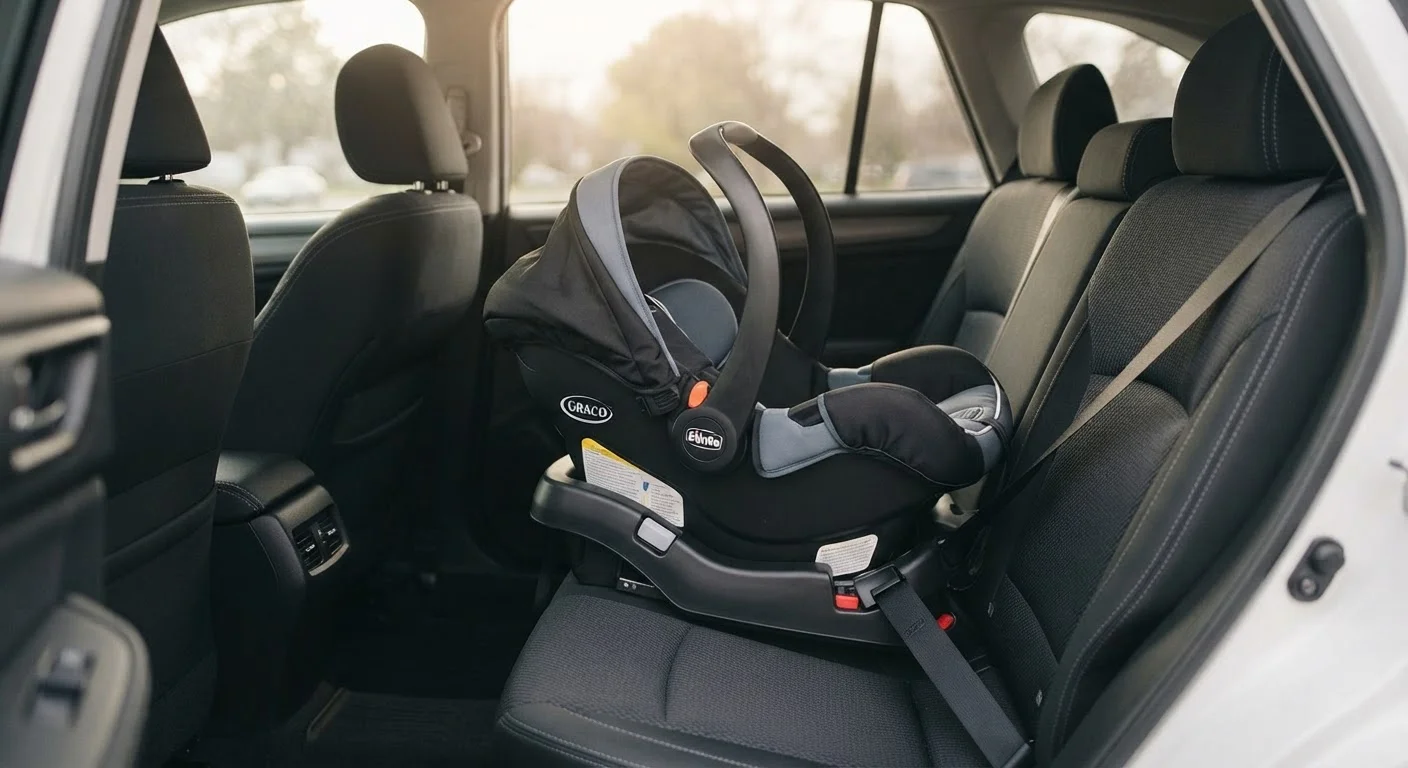
Photo credit: SmartReads.net | Simple Search, Relevant Results
In this article
An educational overview of child restraint rules, age and weight guidelines, and the safety principles behind them.
Key Takeaways
- Children should remain rear-facing until they reach the maximum weight or height limit of their seat.
- U.S. federal law sets minimum crash-test standards; state laws govern specific age, weight, and positioning requirements.
- Incorrect installation - not seat defects - accounts for the majority of child restraint failures in crashes.
- A car seat must be replaced after any moderate or severe collision, regardless of visible damage.
- Booster seats are required until a vehicle's seat belt fits the child correctly, typically around 4'9" tall.
Why Child Restraint Regulations Exist
Motor vehicle crashes remain one of the leading causes of injury-related death for children in the United States. The physics are straightforward: in a sudden stop, an unrestrained child continues moving at the vehicle's pre-crash speed. A correctly installed child restraint system manages that energy - spreading crash forces across the strongest parts of the child's body and limiting the distance they travel inside the vehicle.
Regulations exist because the stakes are too high to leave entirely to individual judgment. Federal standards set a baseline of crashworthiness that every seat sold in the U.S. must meet. State laws then layer on requirements about which type of seat is mandatory at which stage of a child's growth. Together, they form a safety floor - not a ceiling. Understanding the reasoning behind each rule helps caregivers follow them more reliably. To see how child restraints fit into the broader picture of vehicle safety, see how passive safety systems work together in a crash.
FMVSS 213
Federal Motor Vehicle Safety Standard 213 - the U.S. regulation that sets minimum crashworthiness, labeling, and performance requirements for all child restraint systems sold domestically.
LATCH System
Lower Anchors and Tethers for Children - a standardized set of anchor points built into most U.S. vehicles and car seats since 2002, providing an alternative to seat-belt installation.
Head Excursion
The distance a crash-test dummy's head travels forward during a simulated collision. Federal standards set maximum limits to reduce the risk of a child's head striking the seat in front.
Five-Point Harness
A restraint system with five attachment points - two at the shoulders, two at the hips, and one between the legs - that secures a child snugly and distributes crash forces across stronger body areas.
Child Passenger Safety Technician (CPST)
A nationally certified professional trained to inspect car seat installation, check for recalls, and educate caregivers on correct use. Inspections are typically free of charge.
Belt-Positioning Booster
A booster seat without its own harness that raises a child so the vehicle's factory seat belt fits correctly across the thighs and chest rather than the abdomen and neck.
The Four Stages of Child Restraint
Child restraint guidance is organized into four progressive stages based on a child's physical development, not simply their age.
- Rear-facing infant or convertible seat: Designed for infants and toddlers. Rear-facing is the safest position for young children because it cradles and moves with the child, distributing crash forces across the back, shoulders, and hips. Children should stay rear-facing until they reach the seat's maximum weight or height limit.
- Forward-facing seat with harness: Once a child outgrows the rear-facing limits, a forward-facing seat with a five-point harness provides the next level of protection. The harness holds the child securely and limits forward movement during a crash. The upper tether - often overlooked - must be connected to the vehicle's tether anchor to be effective.
- Belt-positioning booster seat: When a child outgrows the harness seat, a booster raises them so the vehicle's own lap-and-shoulder belt fits correctly. Lap belts should lie across the upper thighs, not the abdomen; the shoulder belt across the chest and collarbone, not the neck.
- Vehicle seat belt alone: A child is ready for the seat belt alone when it fits properly without a booster - generally around 4'9" tall, typically between ages 8 and 12. State laws specify minimum ages and heights.
Stay Rear-Facing as Long as Possible
The transition from rear-facing to forward-facing is often made too early. Manufacturers publish weight and height limits on each seat - those numbers, not a birthday, are the correct trigger for moving up. A child who still fits within the rear-facing limits is safer staying there, regardless of age.
Federal Standards and What They Actually Test
All child restraint systems sold in the U.S. must comply with Federal Motor Vehicle Safety Standard (FMVSS) 213. This standard requires manufacturers to conduct dynamic sled tests - simulating a frontal crash at 30 mph - and to meet strict limits on head excursion (how far the dummy's head travels) and chest acceleration. Seats are tested with crash-test dummies representative of different child sizes.
FMVSS 213 also governs labeling requirements, flammability resistance, and buckle-release force. Side-impact testing is not currently mandated by federal regulation, though some manufacturers voluntarily conduct it. The NHTSA's consumer information program publishes ease-of-use ratings and available crash-test data to help caregivers compare options on dimensions beyond price.
It's worth noting that meeting the federal minimum does not guarantee a seat performs identically in all crash scenarios. Correct installation and appropriate fit for the child's size ultimately determine real-world effectiveness.
Common Installation Mistakes and How to Avoid Them
Studies by NHTSA and child passenger safety researchers consistently find that a large proportion of car seats are not installed or used correctly. The most frequent errors include:
- Loose installation: The seat should not move more than one inch side-to-side or front-to-back at the belt path when tested with firm hand pressure. Tighten the seat belt or LATCH strap until the seat is firmly anchored.
- Harness too loose or incorrectly routed: The harness should pass the pinch test - if you can pinch excess webbing between your fingers at the child's collarbone, it needs tightening. Straps should lie flat and untwisted.
- Incorrect recline angle: Rear-facing seats require a specific recline to keep a young infant's airway open and to manage crash forces correctly. Most seats have a built-in angle indicator; follow the manufacturer's guide.
- Chest clip positioned incorrectly: The chest clip should sit at armpit level - it secures the harness straps, not the child. Placing it too low reduces crash protection.
- Using LATCH beyond weight limits: LATCH anchor weight limits (typically 65 lbs. combined weight of child plus seat) are often misunderstood. Once exceeded, the seat belt must be used for installation instead.
A free inspection from a certified Child Passenger Safety Technician (CPST) is the most reliable way to confirm your setup is correct. NHTSA's website lists inspection stations by ZIP code.
Never Place a Rear-Facing Seat in Front of an Active Airbag
Front passenger airbags deploy with significant force designed for adult occupants. A rear-facing seat positioned in front of an active airbag creates a serious risk of fatal injury in even a minor crash. Rear-facing seats must always be used in the back seat unless the front passenger airbag is deactivated according to manufacturer instructions.
When to Replace a Car Seat
Two clear triggers require replacing a child restraint: expiration and involvement in a significant crash. Beyond those, a seat that no longer fits the child - because they've exceeded the weight or height limit - must be replaced with the appropriate next stage.
Expiration dates are set by manufacturers based on material durability testing. Plastic components, foam padding, and harness webbing all degrade over time, particularly when exposed to repeated heat cycles in parked vehicles. Using an expired seat is not illegal in most states, but it is not consistent with manufacturer guidelines and could affect structural performance.
After a crash, follow NHTSA's minor crash criteria carefully. If any of the five conditions aren't met, replace the seat. Do not pass along a used seat to another family without full knowledge of its crash history and current expiration status. For a broader look at what else should be in your vehicle for safe travel, our guide to packing your car safely covers load and gear considerations worth reviewing.
This article provides general educational information about child passenger safety regulations. Always consult your seat's manufacturer instructions, your vehicle owner's manual, and applicable state laws for guidance specific to your situation. For personalized advice, contact a certified Child Passenger Safety Technician.
NHTSA Car Seat Inspection Station Locator
NHTSA's searchable database helps you find nearby certified Child Passenger Safety Technicians who can inspect your seat installation for free.
NHTSA Car Seat Recall Database
Search active and historical recalls for child restraint systems by manufacturer and model to confirm your seat has no outstanding safety notices.
AAP Car Seat Guidelines
The American Academy of Pediatrics publishes up-to-date guidance on developmental readiness for each restraint stage, written for caregivers in plain language.
Frequently Asked Questions

Author
Autos Editorial Team
Autos Editorial Team is the collective byline for our editorial team and contributor network. Articles published under this byline or an editorial pen name are researched, written, and reviewed according to our editorial standards for clarity, consistency, and independence before publication.
View all articles →