
Before a Long Drive: A Fuel Efficiency Preparation Checklist
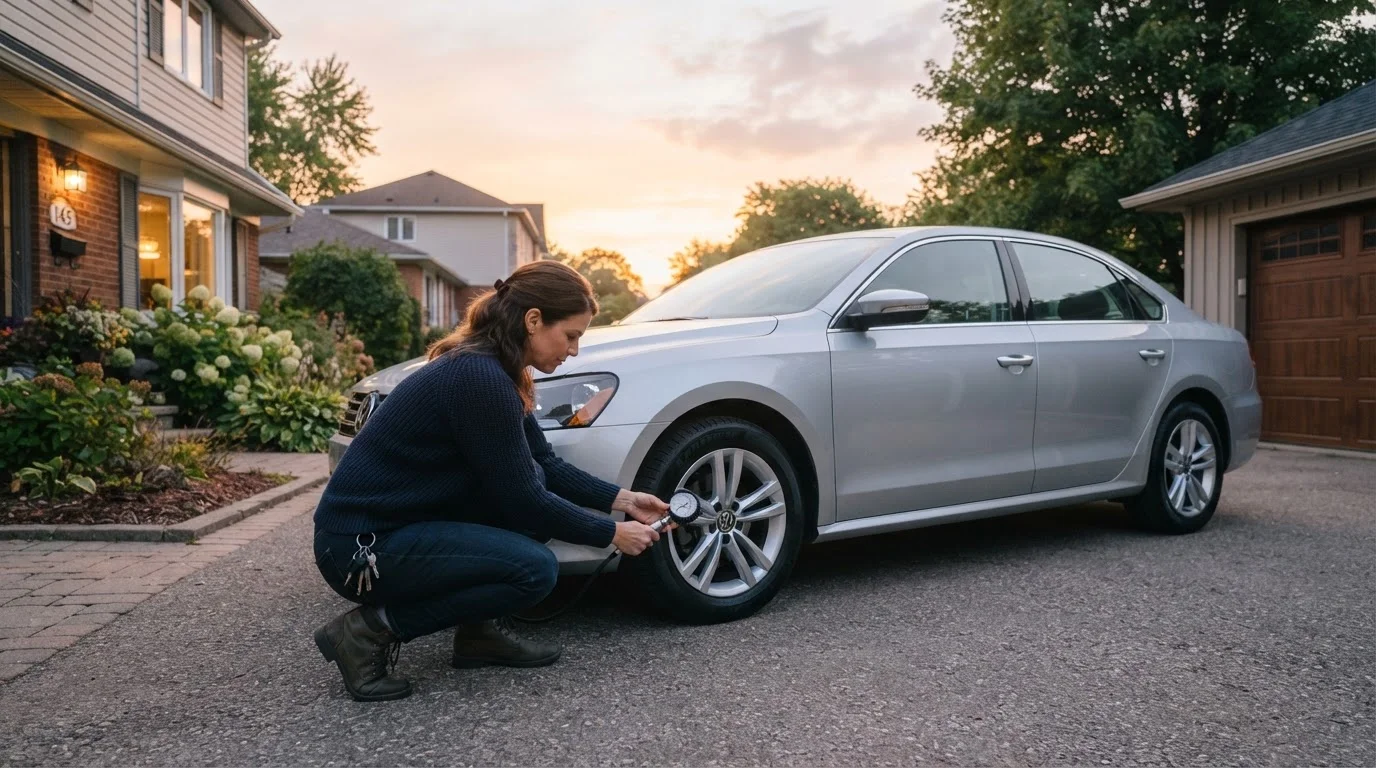
Photo credit: SmartReads.net | Simple Search, Relevant Results
In this article
A short pre-trip check can meaningfully improve your fuel economy on long journeys. Run through this checklist before you leave the driveway.
Key Takeaways
- Underinflated tires are one of the easiest-to-fix causes of poor fuel economy.
- Excess vehicle weight and roof cargo drag meaningfully increase fuel consumption on highway trips.
- Engine oil grade and air filter condition both affect how efficiently your engine burns fuel.
- Driving at steady, moderate speeds is more fuel-efficient than frequent acceleration and braking.
- A short pre-trip checklist can reduce fuel costs and lower your vehicle's emissions per mile.
Why Fuel Prep Matters Before a Long Drive
Most drivers think about fuel economy after the fact - when they're surprised by how often they've stopped to refuel. The reality is that several small, fixable factors determine how efficiently your car burns fuel, and most of them can be addressed in under 30 minutes before you leave. This checklist targets those factors directly.
For a fuller picture of everything worth checking before departure, see our comprehensive pre-departure checklist. This guide focuses specifically on fuel efficiency. Work through it once and you'll spend less at the pump - and put fewer emissions into the air per mile traveled.
Tires
Engine & Fluids
Vehicle Load & Cargo
Route & Driving Plan
Climate & Comfort Systems
Final Pre-Departure Check
Tools You'll Need
You don't need a mechanic's toolbox for this checklist. Most items require only basic equipment you likely already own or can pick up inexpensively at any auto parts store.
Tire pressure gauge
Accurately measures PSI so you can inflate tires to the manufacturer's recommended spec.
Portable tire inflator or air compressor
Allows you to top up underinflated tires without needing to stop at a gas station before departure.
Owner's manual
Confirms the correct tire pressure, oil viscosity, and fluid specs for your specific vehicle.
Engine oil dipstick rag
Needed to wipe the dipstick clean when checking oil level for an accurate reading.
Flashlight or work light
Useful for inspecting the engine bay, tires, and undercarriage in low-light conditions.
Driving Habits That Lock In Your Efficiency Gains
Mechanical prep only goes so far. Once you're on the road, your driving behavior has an outsized effect on actual fuel economy. Highway fuel efficiency typically drops significantly above 60-65 mph in most passenger vehicles - the aerodynamic drag increases exponentially with speed, requiring the engine to work harder.
Speed Has a Steep Fuel Cost
Fuel economy typically declines significantly once you exceed 60-65 mph in most passenger vehicles, due to increased aerodynamic drag. Each 5 mph over that threshold can noticeably reduce your miles per gallon. On a long drive, setting cruise control to a moderate, legal highway speed is one of the highest-return fuel decisions you can make. Adjust based on your vehicle's characteristics and always obey posted speed limits.
Cruise control on flat highway stretches helps maintain a consistent speed and generally outperforms manual throttle management. Anticipating stops - easing off the accelerator well before a light or slowdown - avoids the fuel cost of hard braking followed by re-acceleration. For more on planning the drive itself, including how terrain and traffic affect refueling strategy, our guide on smarter fuel stops is worth a read before you head out.
If you want to go deeper on the maintenance side of fuel economy, this breakdown of high-impact maintenance items explains which service intervals matter most at the component level. And for safety checks that complement this fuel-focused list, see this 10-minute safety walkthrough.

Author
Autos Editorial Team
Autos Editorial Team is the collective byline for our editorial team and contributor network. Articles published under this byline or an editorial pen name are researched, written, and reviewed according to our editorial standards for clarity, consistency, and independence before publication.
View all articles →