
What the Sticker Price Doesn't Tell You About a Car's Real Cost
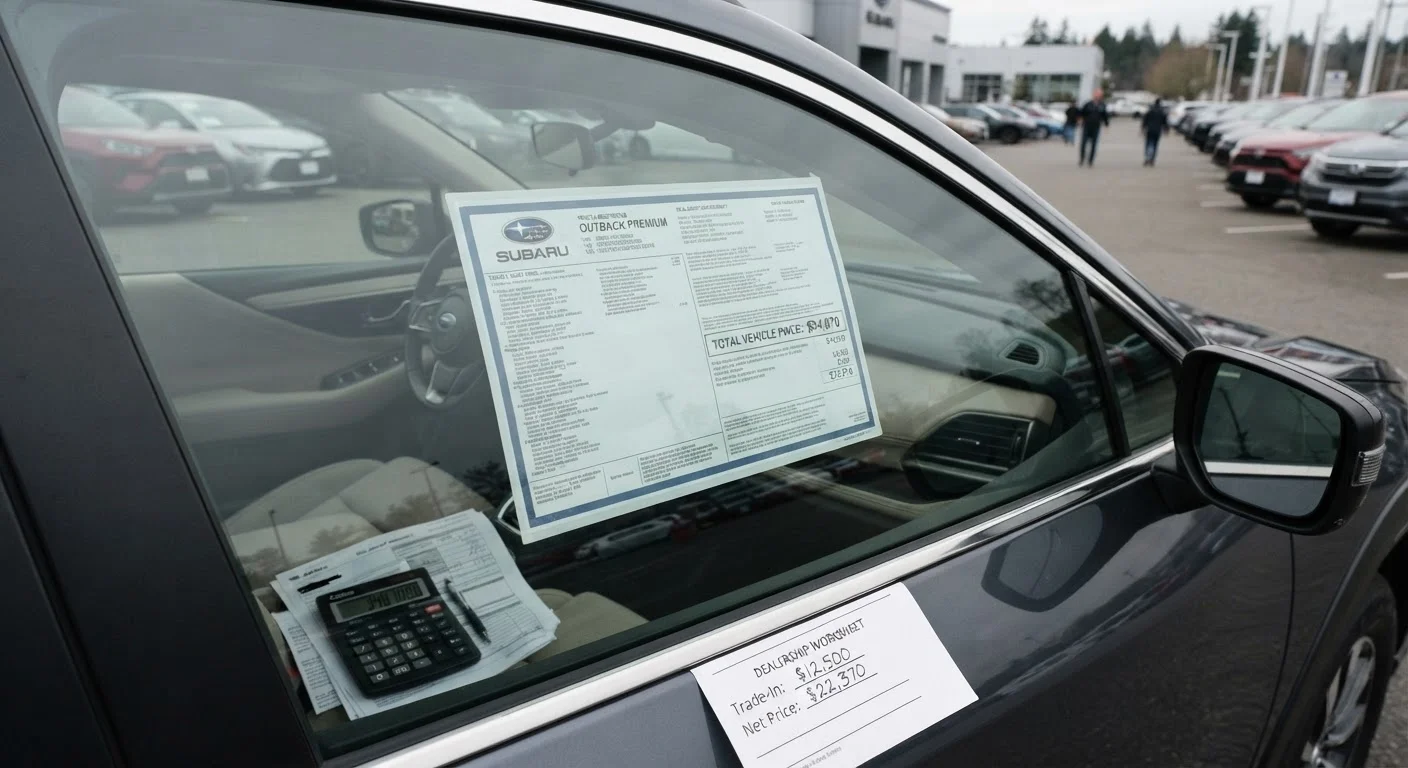
Photo credit: SmartReads.net | Simple Search, Relevant Results
In this article
MSRP is just the starting point. Understand the fees, taxes, insurance, and running costs that determine what a vehicle actually costs you.
Key Takeaways
- The MSRP rarely reflects what you'll actually pay at the dealership after fees and taxes.
- Depreciation is typically the largest hidden cost of owning a new vehicle.
- Insurance premiums vary significantly by vehicle type, your driving history, and location.
- Fuel and maintenance costs differ widely between vehicle makes, models, and powertrains.
- Financing charges can add thousands of dollars to the total amount paid over a loan term.
- Calculating total cost of ownership before buying leads to smarter, less stressful decisions.
From Sticker to Signed: What Gets Added at the Dealership
The Manufacturer's Suggested Retail Price - commonly called the MSRP or sticker price - is the starting point for a car's cost, not the finish line. By the time you're handed the keys, several layers of charges have typically been added to the base figure.
The most common additions include:
- Destination and delivery charges: A federally mandated fee covering transport from the factory to the dealership. This is non-negotiable and typically ranges from several hundred to over a thousand dollars depending on the vehicle.
- Documentation fees: Charged by the dealership for processing paperwork. These vary significantly by state - some cap them, others don't.
- Sales tax: Calculated on the purchase price and varies by state and sometimes municipality.
- Title and registration fees: Set by your state's DMV and vary based on vehicle weight and value.
- Dealer add-ons: Items like paint protection, fabric coating, or extended warranties added to the vehicle before you arrived. These are often negotiable or removable.
Understanding what's in your "out-the-door" price - the total amount you'll actually pay - is the most important number to focus on before signing.
Always Ask for the Out-the-Door Price
Before spending time negotiating the vehicle price, ask the dealership for a complete out-the-door figure in writing. This includes all taxes, fees, and any add-ons so you can make a true apples-to-apples comparison across multiple dealers or vehicles. Monthly payment figures alone can obscure how much you're actually spending.
The Costs That Arrive After You Drive Off the Lot
Once you own the vehicle, a new set of ongoing expenses begins. These are frequently underestimated during the buying process, but they shape what the car truly costs you over time.
Depreciation
For most new car buyers, depreciation is the single largest ownership cost - yet it never appears on a monthly statement. A vehicle's market value drops the moment it leaves the lot, and the decline continues for years. This matters most if you plan to sell or trade in the vehicle later. It also affects whether your insurance payout would cover your loan balance if the car were totaled.
Fuel Costs
Fuel expenses depend on your annual mileage, local gas prices, and your vehicle's real-world fuel economy. The EPA's fuel economy ratings are useful benchmarks, but your actual consumption will vary based on driving conditions, habits, and vehicle load. Understanding what your MPG reading actually means can help you build a more realistic fuel budget before buying.
Insurance
Insurance premiums are determined by the vehicle type, your driving history, your location, and the coverage level you choose. A vehicle with a higher repair cost or theft rate will typically carry a higher premium. Always get insurance quotes on any vehicle you're seriously considering - the difference between models can be meaningful.
Maintenance and Repairs
Manufacturer-recommended maintenance schedules vary widely. Some vehicles require more frequent service intervals or use proprietary parts that cost more. Reliability data from independent research organizations can give you a sense of which vehicles tend to cost more over time in unplanned repairs.
~$12,000
Average annual cost to own and operate a new vehicle
AAA's annual Your Driving Costs study consistently estimates total ownership costs including depreciation, fuel, insurance, and maintenance for new vehicles in this range.
Up to 20%
Value lost by a new car in its first year
Industry analysts broadly estimate new vehicles can depreciate 15-20% or more in their first twelve months, with the steepest drop occurring the moment the vehicle is driven off the lot.
50-60%
Typical depreciation over five years of ownership
According to widely reported automotive depreciation data, many new vehicles retain roughly 40-50 cents on the dollar after five years, depending on make, model, and market conditions.
Financing: The Cost of Borrowing to Buy
Most vehicle purchases involve a loan, and the interest paid over that loan's life is a real cost of ownership that's easy to underestimate in the excitement of a new car deal.
Consider two buyers purchasing the same $35,000 vehicle. One secures a 4% interest rate; another accepts 8%. Over a five-year loan, that difference amounts to thousands of dollars in additional interest - money that doesn't build any equity or return any tangible benefit.
Loan term also matters. A longer term lowers your monthly payment but increases total interest paid. It can also put you "underwater" on the loan - owing more than the car is worth - for a longer period, which carries its own financial risk.
This dynamic mirrors broader principles of upfront cost versus long-term value. Spending more upfront can sometimes cost you less over time - a principle that applies directly to financing decisions, where a larger down payment reduces both the loan balance and total interest.
“The monthly payment is the least useful number in a car deal. What matters is the total amount you pay over time - purchase price, interest, insurance, and fuel combined.”
— Philip Reed, Automotive journalist and former consumer advice editor at a major automotive research publication
Building a Realistic Ownership Budget
A practical way to evaluate any vehicle is to estimate its five-year total cost of ownership before committing. That means adding up:
- Out-the-door purchase price (including all taxes and fees)
- Total financing interest over the loan term
- Estimated insurance premiums over five years
- Projected fuel costs based on your annual mileage
- Scheduled maintenance costs per the manufacturer's guide
- Expected depreciation - what you might realistically sell or trade the car for in five years
When you look at the numbers this way, a vehicle with a lower sticker price isn't automatically the more affordable choice. A reliable, fuel-efficient model with lower insurance rates and minimal maintenance requirements may cost significantly less over time than a cheaper upfront alternative with higher running expenses.
This same logic applies across purchasing decisions. Hidden costs can appear in many buying contexts - the sticker price, in any form, is rarely the whole story.
Total Cost of Ownership Varies by Region
Insurance rates, fuel prices, registration fees, and even depreciation patterns differ significantly depending on where you live. A vehicle that's economical to own in one state may carry substantially higher costs in another due to local tax structures or higher theft rates. Factor in your specific location when running ownership cost estimates.
Frequently Asked Questions

Author
Autos Editorial Team
Autos Editorial Team is the collective byline for our editorial team and contributor network. Articles published under this byline or an editorial pen name are researched, written, and reviewed according to our editorial standards for clarity, consistency, and independence before publication.
View all articles →