
Questions Worth Asking Before You Test Drive Anything
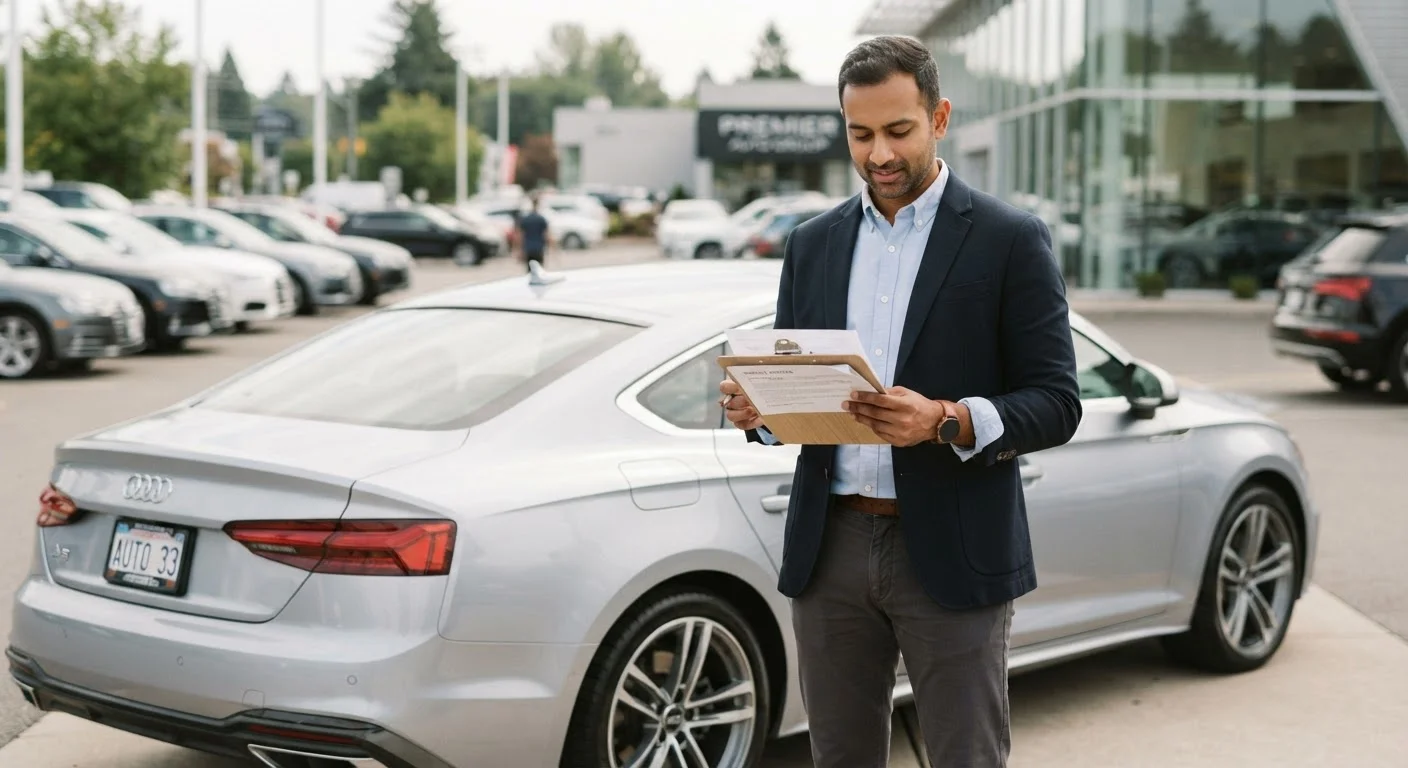
Photo credit: SmartReads.net | Simple Search, Relevant Results
Test drives reveal a lot — but only if you know what to look and listen for. Use these questions to make every drive genuinely informative.
Key Takeaways
- Arriving prepared with specific questions makes every test drive more informative and less salesperson-driven.
- Evaluating comfort, visibility, and tech responsiveness matters as much as how the engine sounds.
- Asking about ownership costs and service history before you drive helps contextualize what you experience.
- A structured checklist approach prevents forgetting critical observations in the moment.
Why Most Test Drives Waste Your Time
The average test drive lasts under 20 minutes - and most of that time gets filled with small talk and a loop around the block. If you're relying on gut feel alone, you're almost certainly missing information that matters. Busy professionals especially can't afford to revisit a dealership two or three times before making a confident decision.
The fix is simple: arrive with a structured set of questions and physical checks already mapped out. That shifts the dynamic. Instead of reacting to whatever the salesperson wants to show you, you're running a deliberate evaluation on your terms. Use the checklist below as your pre-drive script - and refer back to it during and after the drive while impressions are still fresh.
If you're also thinking about how to vet where you'll ultimately buy, see our practical guide to choosing the right buying channel for additional groundwork before you commit anywhere.
Before You Arrive
Static Checks Before the Engine Starts
During the Drive
Questions to Ask the Dealership
How to Use What You Learn
After the drive, resist the urge to decide immediately. Give yourself a defined window - even 24 hours - to review your notes against the checklist. Pay particular attention to any items you marked as concerns: a stiff clutch, blind-spot issues, or lag on the infotainment system rarely improve after purchase.
A Single Test Drive May Not Be Enough
One drive in ideal conditions won't expose every issue. If a vehicle is a serious contender, consider driving it a second time - ideally in wet weather, at night, or during rush-hour traffic. Visibility problems, road noise, and tech frustrations often only surface under realistic daily conditions. This is especially worth doing if you're deciding between two similarly priced options.
Once you've evaluated a vehicle for fit and feel, it's worth thinking ahead to how it will perform in practical scenarios. Our pre-drive safety walkthrough covers the ongoing checks that matter after you own a vehicle. And if cargo space or load capacity factored into your decision, the car packing guide is worth a read before you finalize anything.
Don't Let Time Pressure Override Your Checklist
Salespeople sometimes signal urgency around inventory or pricing. That pressure is real, but making a vehicle decision without completing your evaluation is a significant financial risk. Politely decline to finalize anything until you've had time to review your notes and, if needed, schedule a second drive on a different route or in different conditions.

Author
Autos Editorial Team
Autos Editorial Team is the collective byline for our editorial team and contributor network. Articles published under this byline or an editorial pen name are researched, written, and reviewed according to our editorial standards for clarity, consistency, and independence before publication.
View all articles →