
Your Pantry as a Skincare Cabinet: What Works and What Doesn't
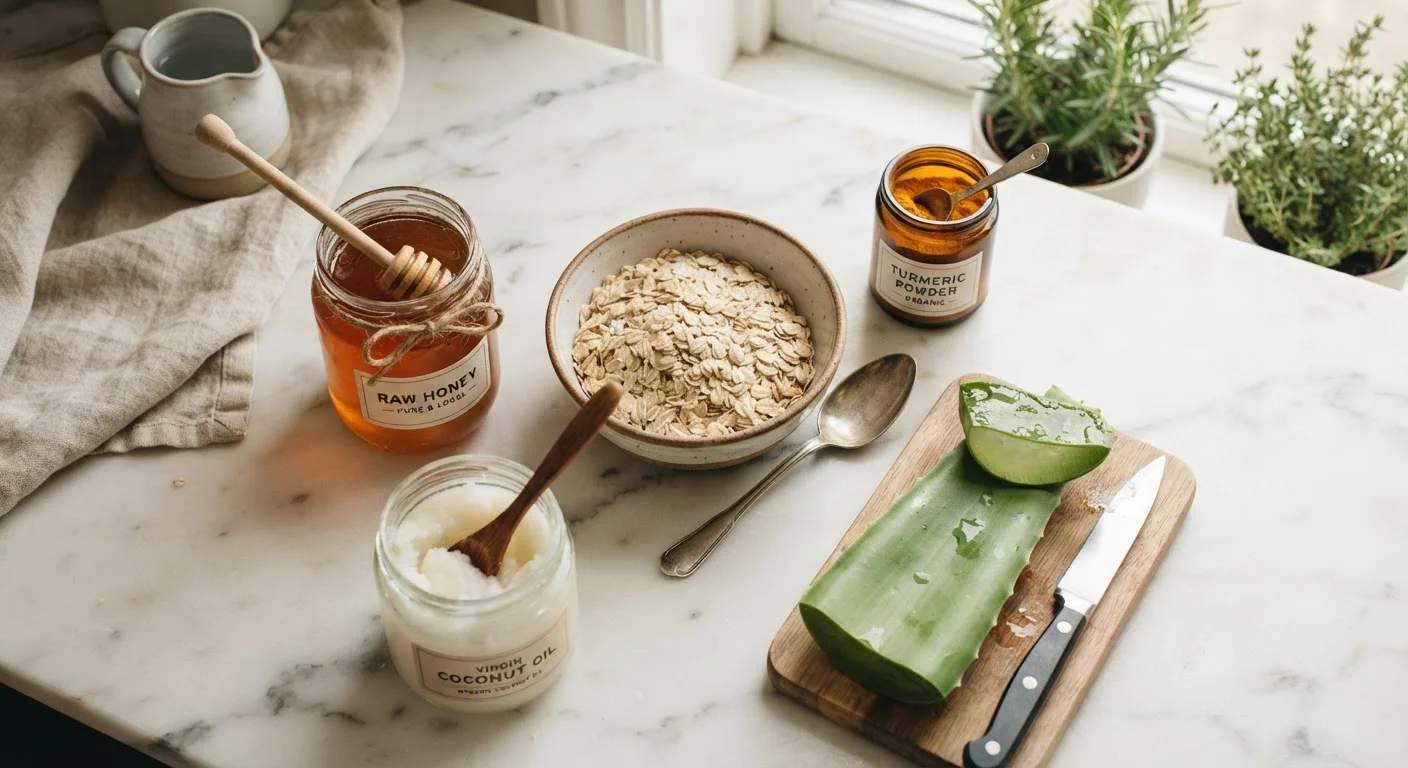
Photo credit: SmartReads.net | Simple Search, Relevant Results
In this article
Honey, oats, turmeric, coconut oil — a clear-eyed guide to which kitchen staples have genuine skincare merit and which are better left for cooking.
The Case for Kitchen-Derived Skincare
The appeal is real: ingredients you already own, no complicated labels, and a sense of getting back to basics. But "natural" and "safe for skin" are not synonyms, and the pantry contains both genuinely useful actives and a few ingredients dermatologists consistently advise against applying topically. This guide cuts through the noise so you can make quick, informed choices.
For a deeper look at how plant-based compounds like antioxidants and humectants actually behave on skin, see the science behind natural ingredients in skincare.
What the Research Actually Supports
Raw Honey: One of the most evidence-backed pantry options. Honey is a natural humectant, drawing moisture into the skin, and contains hydrogen peroxide, gluconic acid, and antimicrobial peptides that give it credible wound-healing and antibacterial properties. Manuka honey has been studied in clinical contexts for wound care. As a gentle face mask left on for 10-15 minutes, raw honey is well-tolerated by most skin types.
Colloidal Oatmeal: Ground oats have an FDA-recognized status as a skin protectant. Avenanthramides - compounds unique to oats - demonstrate measurable anti-inflammatory activity, making finely milled oats a legitimate choice for calming sensitive or eczema-prone skin. Note that whole or steel-cut oats used as a scrub carry a risk of micro-tears; finely ground powder is the safer format.
Aloe Vera Gel (fresh or pure): The inner leaf gel of aloe contains acemannan and polysaccharides with well-documented soothing and hydrating effects. It absorbs quickly, is non-comedogenic, and is clinically studied for mild sunburn relief. Fresh gel directly from the plant is most potent; shelf-stable versions should list aloe as the primary ingredient.
Turmeric: Curcumin, turmeric's active compound, shows antioxidant and anti-inflammatory properties in laboratory studies. Topical use can brighten uneven skin tone over time, though evidence in human trials is limited. Use sparingly - turmeric stains skin and fabric, and high concentrations may irritate sensitive skin.
Humectant
A substance that draws moisture from the environment or deeper skin layers to the surface, helping skin stay hydrated. Honey and aloe gel are both natural humectants.
Comedogenic
Describes an ingredient with a tendency to clog pores, which can contribute to blackheads or acne. Ratings run from 0 (non-comedogenic) to 5 (highly pore-blocking).
Skin barrier
The outermost layer of the skin (stratum corneum) that regulates moisture loss and protects against environmental irritants. Maintaining its acidic pH is essential for healthy skin function.
Phototoxic
A reaction in which a substance applied to skin becomes harmful or irritating when exposed to UV light. Lemon juice is phototoxic, raising the risk of burns or pigmentation when used before sun exposure.
Avenanthramides
Polyphenol compounds found exclusively in oats with documented anti-inflammatory and antipruritic (itch-reducing) properties, supporting their use for sensitive or reactive skin.
Ingredients Better Left in the Kitchen
Lemon Juice: Despite its popularity in DIY brightening recipes, undiluted citric acid from lemon juice has a pH around 2 - far too acidic for direct skin application. It disrupts the skin barrier and, crucially, is phototoxic: it sensitizes skin to UV damage, increasing the risk of hyperpigmentation and burns. This is a case where a well-intentioned habit can quietly harm your skin long-term. See skincare habits that quietly accelerate skin aging for more on routines that backfire.
Baking Soda: With a pH of approximately 9, baking soda is alkaline enough to disrupt the skin's naturally acidic mantle (optimal pH: 4.5-5.5). Repeated use compromises the barrier, strips protective lipids, and can worsen acne rather than resolve it.
Coconut Oil: Coconut oil is an effective emollient and performs well as a body moisturizer or hair mask. On the face, however, it rates as highly comedogenic, meaning it tends to clog pores - particularly problematic for acne-prone or oily skin. It belongs on dry elbows and heels, not as a facial moisturizer. For guidance on oil-based cleansing methods more suited to facial skin, see oil cleansing vs. micellar water.
Apple Cider Vinegar: Anecdotally popular as a toner, but its acidity (pH ~3) and acetic acid content are harsh on compromised skin. Case reports link undiluted use to chemical burns, particularly on sensitive or barrier-damaged skin.
This article is for informational purposes only and does not constitute medical or dermatological advice. Consult a qualified dermatologist before starting any new skincare regimen, especially if you have a skin condition.
Using Pantry Ingredients Safely
A few universal principles apply regardless of which ingredient you choose:
- Always patch test. Apply a small amount to your inner forearm and wait 24 hours before using anything on your face.
- Less is more. Frequency matters. Even beneficial ingredients like honey or oat masks are best used one to two times per week, not daily.
- Format affects safety. Finely milled oat powder is gentler than coarse oat flakes. Fresh aloe gel is more potent than a diluted commercial product. How you prepare an ingredient changes its risk profile.
- Skin type is not universal. An ingredient that soothes one person's skin may clog or irritate another's. Track your skin's response honestly.
When you're ready to build these ingredients into a consistent practice, a five-minute natural skincare ritual for busy mornings offers a structured starting point. And if you want to understand where DIY routines most commonly go wrong, when natural skincare backfires is worth reading before you experiment further.
A Note on Special Skin Conditions
If you have eczema, rosacea, psoriasis, active acne, or any compromised skin barrier, pantry DIY carries a higher risk of irritation or adverse reaction. Consult a licensed dermatologist before experimenting with home formulations, particularly when the skin is inflamed or broken. General skincare information is not a substitute for professional evaluation.

Author
Beauty Editorial Team
Beauty Editorial Team is the collective byline for our editorial team and contributor network. Articles published under this byline or an editorial pen name are researched, written, and reviewed according to our editorial standards for clarity, consistency, and independence before publication.
View all articles →