
When Natural Skincare Backfires: Pitfalls Worth Knowing
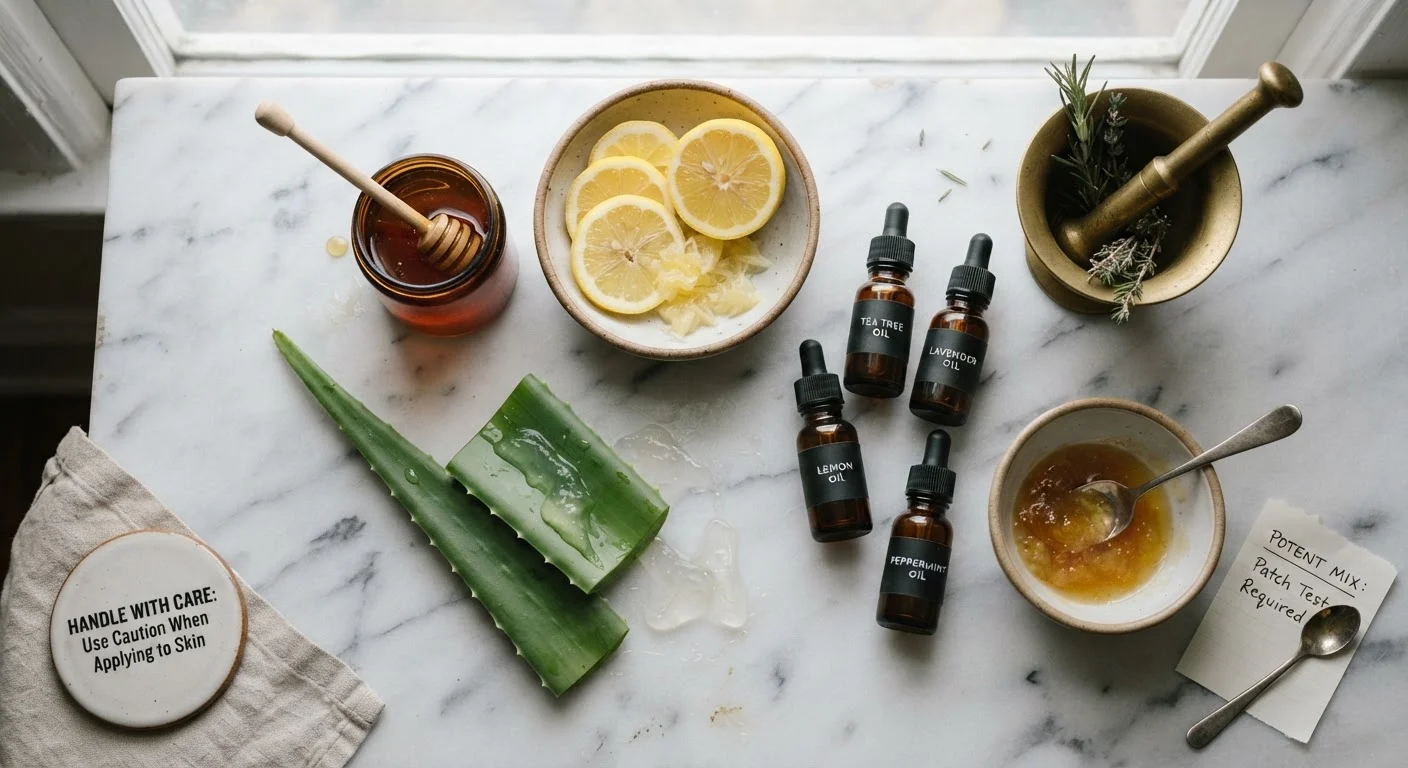
Photo credit: SmartReads.net | Simple Search, Relevant Results
In this article
Overusing actives, skipping patch tests, misreading DIY recipes — the common missteps in natural beauty routines and how to sidestep them.
Key Takeaways
- "Natural" does not automatically mean safe or non-irritating for every skin type.
- Skipping patch tests is the leading cause of preventable reactions from natural ingredients.
- DIY recipes sourced casually online often lack correct pH balancing or preservation.
- Overusing potent natural actives like acids or essential oils can compromise the skin barrier.
- Seasonal skin changes require routine adjustments, even in natural-ingredient-based regimens.
Why Good Intentions Can Still Irritate Your Skin
Natural skincare has earned its popularity for good reasons - many plant-derived ingredients carry genuine, research-supported benefits. But the assumption that "natural equals harmless" is one of the most consequential misconceptions in modern beauty. Botanicals contain bioactive compounds that interact with skin chemistry just as synthetic actives do, and without the same standardized testing that regulated cosmetic formulations undergo.
Understanding where natural routines commonly go wrong is the first step toward making them work reliably. For a broader look at which widely repeated claims hold up under scrutiny, see natural beauty myths dermatologists keep debunking.
Skipping the patch test before applying a new natural ingredient to the face.
Why it happens: People assume that because an ingredient is food-grade or plant-derived, sensitivity reactions are unlikely. This logic doesn't hold - contact dermatitis from botanicals like chamomile, lavender, and tea tree is well documented.
Using undiluted citrus juices - particularly lemon - directly on skin as a brightening treatment.
Why it happens: The idea that lemon juice fades dark spots or evens tone circulates widely in DIY beauty content. Its vitamin C content sounds promising, but raw citrus juice has a pH far too low for safe topical use.
Over-exfoliating with natural scrubs, assuming physical exfoliation from "gentle" ingredients like sugar or walnut shell is always safe.
Why it happens: Physical exfoliants feel immediately satisfying, and natural-sounding ingredients like sugar or oatmeal seem mild by comparison to chemical acids. But frequency and particle shape matter more than the ingredient's origin.
Trusting unvetted DIY recipes without verifying pH, preservation, or ingredient compatibility.
Why it happens: Social platforms surface visually appealing recipes without editorial scrutiny. A recipe may omit critical details about pH adjustment for acid-based formulas or how quickly an unpreserved mixture degrades.
Layering multiple potent natural actives - such as AHAs, retinol-adjacent botanicals, and vitamin C - without considering interactions.
Why it happens: Enthusiasm for ingredient benefits can lead to a "more is better" approach. Natural actives are often perceived as too gentle to cause the conflicts that synthetic ingredients might.
Protecting Your Skin While Keeping Your Routine Simple
The good news: most of these pitfalls are entirely avoidable with a few informed adjustments. Rather than abandoning natural ingredients, the goal is to use them with the same respect you'd give any active compound.
Essential Oils Are Not Interchangeable With Carrier Oils
Essential oils are highly concentrated aromatic compounds and should never be applied undiluted to skin. Even a single drop of oils like clove, cinnamon, or oregano can cause chemical burns or lasting sensitization. Always dilute essential oils in an appropriate carrier oil - such as jojoba or sweet almond - at concentrations typically recommended between 0.5% and 2% for facial use, and conduct a patch test before broader application.
Start by auditing the ingredients you're currently using most frequently. If your routine includes citrus-derived ingredients, undiluted essential oils, or physically abrasive scrubs used more than twice weekly, those are the first places to recalibrate. Well-intentioned habits can work against skin over time - a pattern explored in depth in our piece on skincare habits that quietly accelerate aging.
Once you've simplified and patch-tested your core ingredients, building a streamlined ritual becomes straightforward. Our guide to building a five-minute natural skincare ritual shows how to put safe, effective choices into a realistic morning routine. And because skin needs shift with the seasons, revisit your ingredient lineup regularly - adapting your natural routine year-round is a practical resource for doing exactly that.
This article is for informational purposes only and does not constitute medical or dermatological advice. Consult a qualified dermatologist or healthcare professional for concerns about your skin health.

Author
Beauty Editorial Team
Beauty Editorial Team is the collective byline for our editorial team and contributor network. Articles published under this byline or an editorial pen name are researched, written, and reviewed according to our editorial standards for clarity, consistency, and independence before publication.
View all articles →