
Scalp Health Is the Foundation Most People Skip
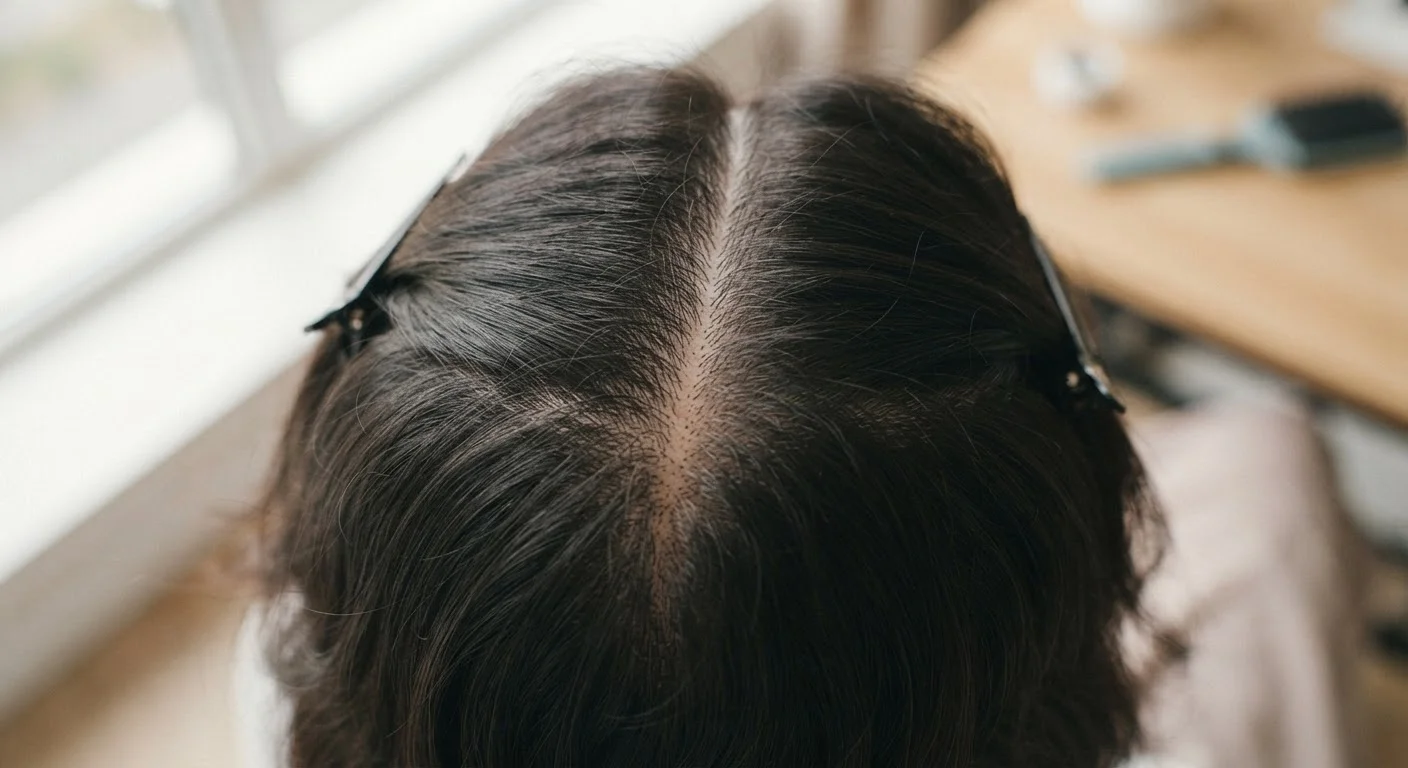
Photo credit: SmartReads.net | Simple Search, Relevant Results
In this article
Healthy hair starts at the scalp. Learn what a balanced scalp looks like, what disrupts it, and how to keep it in good condition.
Key Takeaways
- A healthy scalp is neither excessively oily nor dry, with no significant itching or flaking.
- Product buildup, washing frequency, and stress are among the most common scalp disruptors.
- Scalp care routines are straightforward - gentle cleansing and occasional exfoliation cover most needs.
- Persistent scalp issues like significant flaking or hair loss warrant a dermatologist consultation.
What a Healthy Scalp Actually Looks Like
Most people evaluate their hair by how it looks - shine, length, frizz - without ever considering the scalp producing it. Yet scalp skin is the direct environment in which every hair follicle lives and grows. Understanding what healthy looks and feels like is the starting point for everything else.
Sebum
The natural oil produced by sebaceous glands in the scalp. It moisturizes and protects both the scalp skin and hair shaft, but overproduction or underproduction can lead to imbalance.
Hair follicle
The small tunnel-like structure in the scalp skin from which each hair strand grows. Follicle health directly influences hair growth rate and strand quality.
Malassezia
A naturally occurring yeast that lives on most human scalps. When it proliferates beyond normal levels - often linked to excess sebum - it can contribute to dandruff and scalp irritation.
Product buildup
The accumulation of residue from shampoos, conditioners, and styling products on the scalp over time. Buildup can block follicles and create an environment prone to irritation or inflammation.
Scalp microbiome
The community of bacteria, fungi, and other microorganisms that naturally inhabit the scalp. A balanced microbiome supports skin health; disruption can contribute to conditions like dandruff or dermatitis.
A well-balanced scalp feels comfortable - no persistent itch, tightness, or greasiness. The skin tone is relatively even, and there is no significant visible flaking or inflammation. Sebum production, the scalp's natural oil output, keeps the environment moisturized without creating a heavy, weighed-down sensation. Follicles are unobstructed, meaning normal shedding (generally 50-100 hairs per day is considered typical) occurs without excessive fallout.
It is worth noting that what's "normal" varies by individual. Oilier scalps are not inherently unhealthy, nor are drier ones - the concern arises when either extreme causes discomfort, inflammation, or hair changes. If you're also trying to understand your hair's broader characteristics, decoding your hair type is a useful next step.
What Disrupts Scalp Balance
Several factors can shift a scalp from balanced to problematic, and many are common in professional lifestyles.
- Product buildup: Styling products, dry shampoos, and heavy conditioners applied near the roots accumulate over time. This can clog follicles and create an environment that favors fungal overgrowth or inflammation.
- Washing frequency: Both over-washing and under-washing disrupt the scalp's equilibrium. Frequent washing strips protective oils, triggering the scalp to overproduce sebum. Infrequent washing allows sebum, dead skin cells, and product residue to accumulate.
- Heat and friction: Tight hairstyles create mechanical stress on follicles. Regular heat tool use, particularly without thermal protection, can dehydrate scalp skin.
- Diet and stress: Nutritional deficiencies - particularly in iron, zinc, and B vitamins - are associated with scalp and hair changes. Chronic stress is linked to elevated cortisol, which research suggests can disrupt the hair growth cycle and promote scalp inflammation.
- Harsh ingredients: Sulfates, certain preservatives, and fragrance compounds can irritate sensitive scalp skin. Our guide on understanding hair product ingredients covers which to watch for.
Dry Shampoo Can Accumulate Quickly
Dry shampoo is a practical tool for busy schedules, but it is not a substitute for washing - it adds to the scalp's surface rather than cleaning it. Using it multiple days in a row without a proper wash can cause significant buildup and follicle irritation. Follow any dry shampoo use with a thorough cleanse at your next wash.
How to Maintain a Balanced Scalp
Scalp care does not require an elaborate routine. For most people, a few consistent habits make a meaningful difference.
Cleanse with intention. Use a gentle shampoo suited to your scalp type - not necessarily the same formula your ends need. Massage the scalp with fingertips (not nails) during washing to stimulate circulation and loosen buildup without abrasion.
Exfoliate occasionally. A scalp scrub or exfoliating shampoo containing salicylic acid or gentle physical exfoliants can clear accumulated dead skin cells and product residue. Once every one to two weeks is sufficient for most scalps; more frequent use can over-strip.
Protect the scalp environment. Sun exposure affects scalp skin just as it affects facial skin. Wearing a hat or using a UV-protective spray on exposed parts can prevent scalp sunburn and long-term skin damage.
Rinse thoroughly. Residual shampoo or conditioner left on the scalp is a common and underappreciated cause of buildup and irritation. A thorough rinse takes longer than most people allow.
Make Rinsing a Deliberate Step
Set a timer for an extra 30 seconds during your rinse - it feels longer than it is, but the difference in residue removal is significant. Pay particular attention to the nape and crown, where product tends to linger. Clean-rinsed follicles are less prone to clogging and irritation over time.
For those uncertain about how often to wash, our companion article on wash frequency offers practical guidance based on hair type and lifestyle factors.
When to See a Professional
Some scalp conditions go beyond what good habits can address and benefit from professional evaluation. A dermatologist - particularly one specializing in trichology, the study of hair and scalp - is the appropriate resource for ongoing or worsening concerns.
Seek professional advice if you notice significant or sudden hair shedding beyond typical levels, persistent scalp pain or tenderness, visible scalp sores or pustules, or flaking that does not respond to gentle dandruff-targeted care. These may indicate conditions such as seborrheic dermatitis, psoriasis, or folliculitis, which have specific treatment protocols.
Scalp Conditions vs. Scalp Habits
Not every scalp issue is caused by poor habits. Conditions like seborrheic dermatitis, psoriasis, and alopecia areata have physiological roots and require medical diagnosis and treatment. Good scalp hygiene supports overall health but cannot resolve conditions that have underlying dermatological or autoimmune causes.
It is also worth being thoughtful about beauty claims circulating online. Many popular scalp remedies - from raw garlic to apple cider vinegar rinses - are not supported by strong clinical evidence and some carry risks of irritation. Our editorial on natural beauty myths examines several of these in detail.
This article is for general informational and educational purposes only. It is not a substitute for professional medical or dermatological advice. If you have concerns about your scalp health, consult a qualified healthcare provider.
Frequently Asked Questions

Author
Beauty Editorial Team
Beauty Editorial Team is the collective byline for our editorial team and contributor network. Articles published under this byline or an editorial pen name are researched, written, and reviewed according to our editorial standards for clarity, consistency, and independence before publication.
View all articles →