
Shopping Around the Calendar: A Practical Framework for Timing Big Purchases
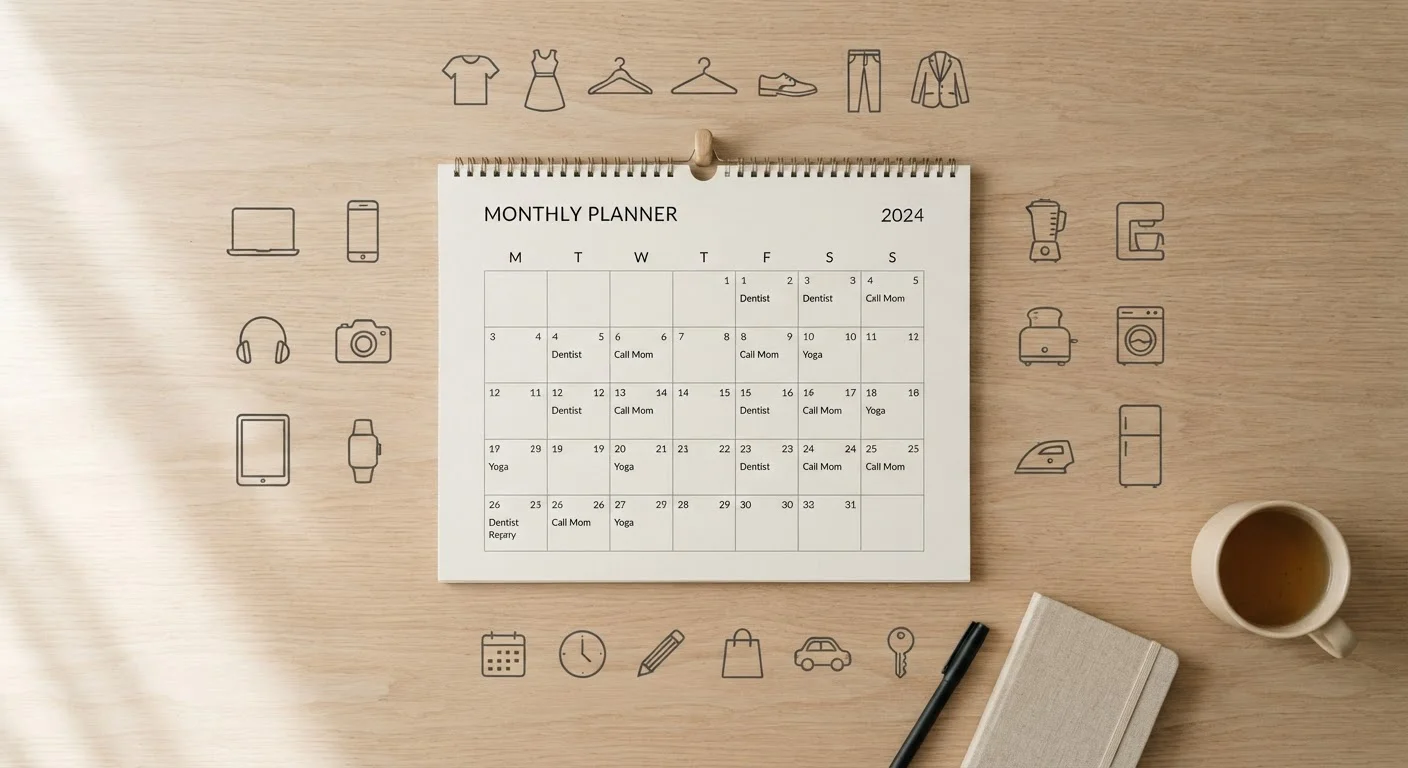
Photo credit: SmartReads.net | Simple Search, Relevant Results
In this article
A structured approach for busy professionals to align major purchases—tech, clothing, appliances—with predictable sale windows throughout the year.
Key Takeaways
- Most major product categories follow predictable annual discount windows tied to inventory and retail cycles.
- Building a purchase list in advance - rather than reacting to sales - prevents impulse spending.
- A simple calendar audit once or twice a year is enough to capture most meaningful savings opportunities.
- Waiting for the right window only pays off when you know your budget ceiling ahead of time.
- Combining timing strategy with channel awareness (online vs. in-store) amplifies the benefit.
Why Most Big Purchases Are Poorly Timed
The default mode for most consumers is reactive buying: something breaks, wears out, or catches the eye, and a purchase follows. This approach is convenient but consistently expensive. Most major product categories follow annual pricing cycles tied to inventory management, model-year transitions, and retailer promotional calendars - and reactive buyers almost always miss the lowest-price windows.
The good news is that these cycles are broadly stable year to year. Electronics, appliances, clothing, bedding, and outdoor goods all have well-established discount periods that require no insider knowledge to anticipate - only the discipline to plan purchases a few weeks or months in advance.
This framework doesn't require obsessive deal-tracking or hours of research. The core habit is simple: decide what you need before the pressure of an immediate need forces you to buy at whatever the current price happens to be. If you're unsure how your overall spending is structured, reviewing key budgeting terms first will make the framework easier to apply.
What you will need
What You'll Need to Get Started
This process requires minimal tools. A notes app, a basic spreadsheet, or even a notebook is sufficient for most people. The more important input is a clear-eyed list of anticipated purchases - not a wish list, but a realistic inventory of what you expect to need in the next 12 months.
12-Month Purchase List
A written or digital list of anticipated big purchases organized by rough priority and timing need.
Retail Calendar Reference
A month-by-month overview of when major sale periods typically occur across product categories.
Price Tracking Tool
A browser extension or app that logs historical price data so you can judge whether a sale price is genuinely lower.
Sinking Fund or Budget Envelope
A dedicated savings allocation for each planned purchase, funded incrementally before the sale window opens.
Start With a Sinking Fund
A sinking fund is a dedicated savings bucket for a planned future expense - set aside a fixed amount monthly so the money is ready when the sale window opens. If you're unfamiliar with the term, this plain-language budgeting glossary covers it alongside other useful concepts.
The Six-Step Framework
Follow these steps in sequence the first time you build your calendar plan. After the initial setup, the twice-yearly review in Step 6 is the only recurring commitment required.
Inventory Your Anticipated Big Purchases
Before any calendar planning is useful, you need a clear list of what you actually expect to buy. Spend 10-15 minutes writing down every significant purchase you anticipate in the next 12 months - appliances showing wear, clothing gaps for a new season, tech hardware approaching end-of-life, or a vehicle if relevant.
Group items loosely by category: electronics, appliances, clothing and footwear, home goods, and vehicles. This grouping matters because each category has different discount windows. Don't filter yet - just get everything on paper.
Map Each Category to Its Typical Sale Window
Different product categories follow distinct retail rhythms. Below are the most consistent patterns for US shoppers:
- Electronics and TVs: Late January (post-holiday clearance) and the November sales period tend to offer the widest selection of discounted stock.
- Large appliances: Memorial Day weekend, Labor Day weekend, and Black Friday are the three historically strongest windows.
- Clothing and footwear: End-of-season clearance - late January for winter goods, late July for summer goods - typically offers the steepest reductions, though selection narrows.
- Mattresses and bedding: Federal holiday weekends (Presidents' Day, Memorial Day, Labor Day) are the established industry norm.
- Outdoor and garden: Late August through September as retailers clear inventory before winter.
For a full month-by-month breakdown, see The Retail Calendar Decoded.
Assign a Budget Ceiling Before the Window Opens
Knowing when to shop is only useful if you know how much you're prepared to spend. Set a firm ceiling for each purchase before the sale window arrives. This prevents anchoring - where a marked-down price feels like a deal regardless of whether you can actually afford it comfortably.
If the ceiling feels uncertain, building a monthly shopping budget first gives you a reliable baseline to work from. Consider using a sinking fund approach: divide the ceiling by the number of months until the target window, and set that amount aside monthly.
Establish a Price Baseline Before Shopping
A discount is only meaningful relative to a realistic regular price. In the weeks before a known sale window, note the current non-sale prices for the items on your list. A browser extension that logs price history can automate this, but even a quick note in your phone works.
This baseline protects you from inflated pre-sale prices - a documented practice where some retailers raise list prices shortly before a promotional period, making the subsequent discount appear larger than it is.
Decide Your Channel Before the Sale Starts
Online and in-store channels often offer different advantages even within the same sale event. Online purchases make price comparison faster and delivery more convenient; in-store shopping allows you to assess quality directly and sometimes negotiate on floor models or open-box items.
For large or tactile purchases - mattresses, appliances, certain clothing categories - an in-store visit before a sale window to assess quality, followed by an online purchase during the window, is often the most efficient sequence. Blending online and in-store shopping explores this hybrid approach in more depth.
Review and Adjust the Plan Twice a Year
A calendar-based purchase plan doesn't require constant maintenance. Set two calendar reminders - one in late December and one in late June - to review your anticipated purchase list, update priorities, and confirm that your budget ceilings still reflect your current financial situation.
This twice-yearly audit catches changes: an appliance that broke unexpectedly, a purchase you no longer need, or a budget ceiling that needs revision. Before any major sale window, also run through this pre-sale readiness checklist to make sure you're entering the period prepared rather than reactive.
Don't Let a Sale Window Drive a Bad Purchase
Buying something earlier than you need it - or buying more than you need - because a sale window is open is a common and costly mistake. A discount on a purchase you weren't planning to make is still spending, not saving. See common seasonal shopping pitfalls for more on this pattern.
Timing Is a Tool, Not a Guarantee
Seasonal sale windows are broadly predictable, but individual prices vary by retailer, region, and year. Use timing as one input in your decision, not a promise of the deepest possible discount. Always verify the current price against a realistic baseline before committing.
Common Adjustments and Edge Cases
Not every purchase fits neatly into a predictable window. Emergency replacements - a failed refrigerator, a broken laptop needed for work - can't always wait for the next sale cycle. In those cases, the priority is a reliable baseline price and a firm budget ceiling, not the optimal timing.
For discretionary purchases where the timing is flexible but the category doesn't have a clear sale window (specialty outdoor gear, certain home furnishings), end-of-season clearance and major holiday weekends remain the most consistent fallback. Avoiding the trap of buying more than needed during any sale window is also worth deliberate attention - seasonal shopping pitfalls covers this in detail.
For those integrating this approach into a broader budgeting practice, exploring different budget frameworks can help identify where planned purchase savings fit within your overall financial structure. This content is general financial information and not personalized financial advice - consult a qualified financial professional for guidance specific to your situation.

Author
Shopping Editorial Team
Shopping Editorial Team is the collective byline for our editorial team and contributor network. Articles published under this byline or an editorial pen name are researched, written, and reviewed according to our editorial standards for clarity, consistency, and independence before publication.
View all articles →