
Calorie Counting vs. Portion Awareness: Two Approaches to Understanding Food Intake
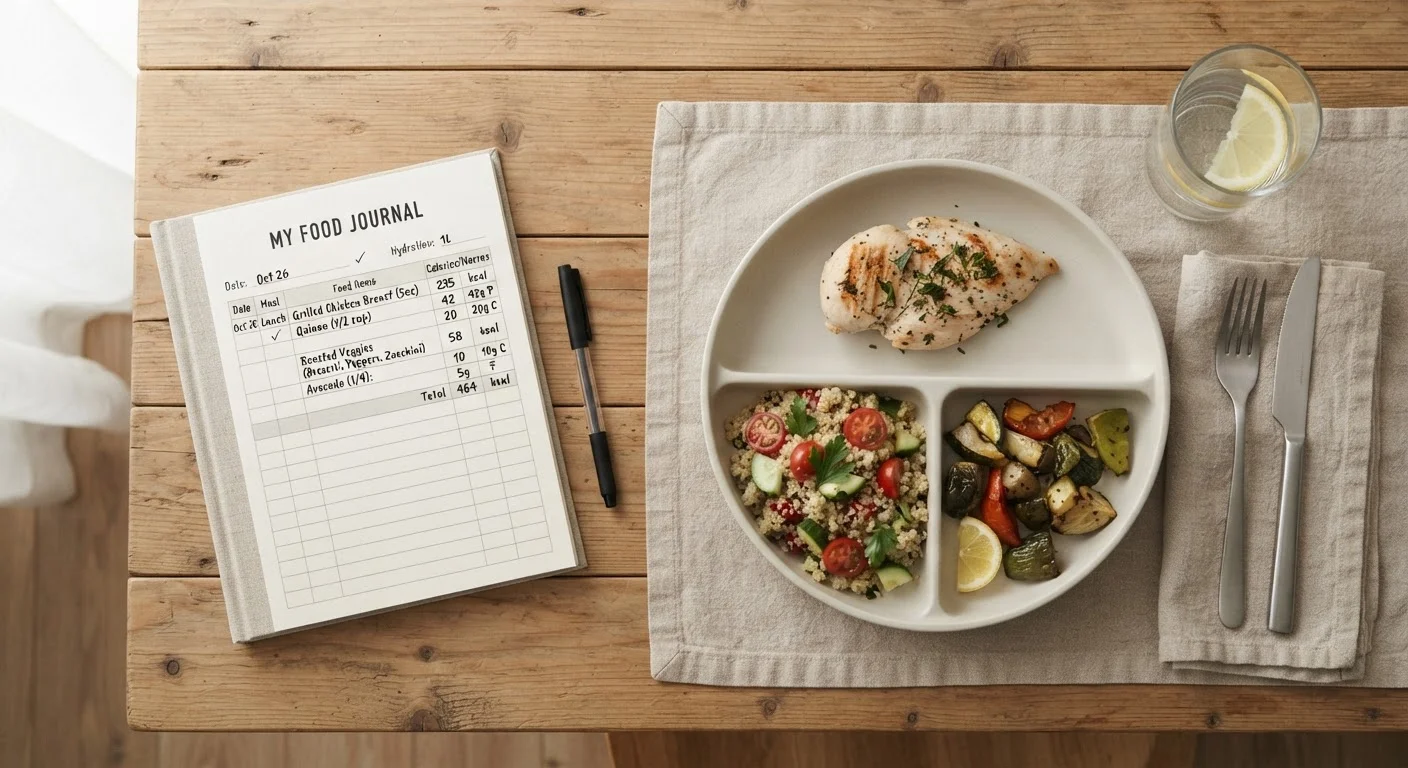
Photo credit: SmartReads.net | Simple Search, Relevant Results
In this article
Tracking every calorie and tuning into portion size are both tools for managing food intake. Here's how they differ and what each approach involves.
Key Takeaways
- Calorie counting uses numerical targets; portion awareness relies on visual and physical cues to guide food amounts.
- Neither approach is universally superior - the right fit depends on your lifestyle, goals, and relationship with food.
- Calorie data can be imprecise; research suggests food labels may carry a margin of error of up to 20%.
- Portion awareness can be practiced anywhere without apps, making it practical for travel and dining out.
- Both methods work best when paired with attention to food quality, not just quantity.
- Always consult a registered dietitian or healthcare provider before making significant changes to how you eat.
What Each Approach Actually Involves
Calorie counting is the practice of logging the energy content - measured in kilocalories (kcal), commonly called calories - of everything you eat and drink. It typically involves a food diary or app and works by comparing your daily intake against an estimated target. The underlying assumption is that tracking intake numerically helps you become aware of energy patterns and adjust accordingly.
Portion awareness, by contrast, is about tuning into the size of what you eat, using visual benchmarks, hand-based guides (e.g., a palm-sized serving of protein, a cupped handful of grains), or divided-plate methods. It doesn't require calculating numbers - instead, it builds a practical sense of how much food is on your plate relative to what your body generally needs.
As explored in key weight management concepts, food intake awareness in any form is most useful when grounded in an understanding of energy balance and hunger signals - not rigid rules.
| Criterion | Calorie Counting | Portion Awareness |
|---|---|---|
| Core mechanism | Numerical energy tracking (kcal) | Visual and physical size cues |
| Tools required | App, food scale, or diary | Hand guides, plate method |
| Daily time investment | Moderate to high (logging each meal) | Low once habits are learned |
| Accuracy | Approximate; label errors possible | Approximate; relies on estimation |
| Flexibility when eating out | Harder without menu data | Easier with visual portioning |
| Learning curve | Moderate (understanding energy values) | Moderate (internalizing visual cues) |
| Long-term sustainability | Variable; fatigue common | Generally easier to maintain |
Strengths and Limitations of Each Method
Calorie counting's main strength is transparency. Logging meals - even temporarily - can reveal surprising patterns: that afternoon snack that seemed small, or a lunch that provided far more energy than expected. Studies have found that most people significantly underestimate their food intake without some form of tracking. However, calorie data has real limitations. Food composition databases vary in accuracy, cooking methods change calorie content, and research suggests packaged food labels may carry an error margin of up to 20%. Over time, continuous logging can also feel burdensome, especially during high-stress work periods.
Portion awareness sidesteps the math but requires its own learning curve. Understanding what a reasonable serving of pasta or nuts looks like - without measuring - takes practice. On the upside, once those visual anchors are internalized, the method travels well. There are no apps to open during a client dinner or a work trip. It also tends to pair naturally with mindful eating habits, encouraging attention to hunger and fullness rather than hitting a number.
~20%
Potential error margin on packaged food labels
The FDA allows a tolerance of up to 20% on calorie declarations on food labels, meaning logged calorie counts may differ meaningfully from actual intake.
Up to 50%
How much people underestimate food intake
Research published in nutrition journals has found that individuals frequently underestimate their food intake by significant margins without any form of tracking or awareness practice.
For a broader look at how these methods compare to other popular strategies, see popular weight management approaches compared.
Practical Fit for Busy Professionals
For people managing packed schedules, the friction of a method matters as much as its theoretical effectiveness. Calorie counting requires consistent logging - ideally before or immediately after eating - which can be hard to sustain during back-to-back meetings or frequent travel. Many users report starting strong and gradually abandoning the habit when life gets busy.
Portion awareness has a lower daily maintenance cost once the basics are learned. Dividing a plate into rough sections (half vegetables, a quarter lean protein, a quarter grains), or sizing proteins to a palm and fats to a thumb, can be done mentally in seconds. These habits can align with building a practical eating routine that doesn't require perfect conditions to execute.
It's also worth noting that the two approaches aren't mutually exclusive. Some people count calories for a defined period to calibrate their awareness, then shift to portion-based habits for everyday use - effectively using one tool to inform the other.
These Are Tools, Not Rules
Both calorie counting and portion awareness are frameworks for understanding food intake - not prescriptions for any specific eating plan. They can be used independently, in combination, or set aside entirely in favor of other approaches. If either method increases stress or preoccupation with food, that's a meaningful signal worth discussing with a healthcare provider or registered dietitian.
Whatever approach you explore, it's worth understanding the difference between managing portions and dieting. The distinction between eating well and dieting matters for long-term wellbeing.
This article is for general informational purposes only and does not constitute medical or nutritional advice. Consult a registered dietitian or qualified healthcare provider before making significant changes to your eating habits.

Author
Diet & Meal Plans Editorial Team
Diet & Meal Plans Editorial Team is the collective byline for our editorial team and contributor network. Articles published under this byline or an editorial pen name are researched, written, and reviewed according to our editorial standards for clarity, consistency, and independence before publication.
View all articles →