
Nutrition Labels Decoded: What the Numbers on Packaged Food Actually Tell You
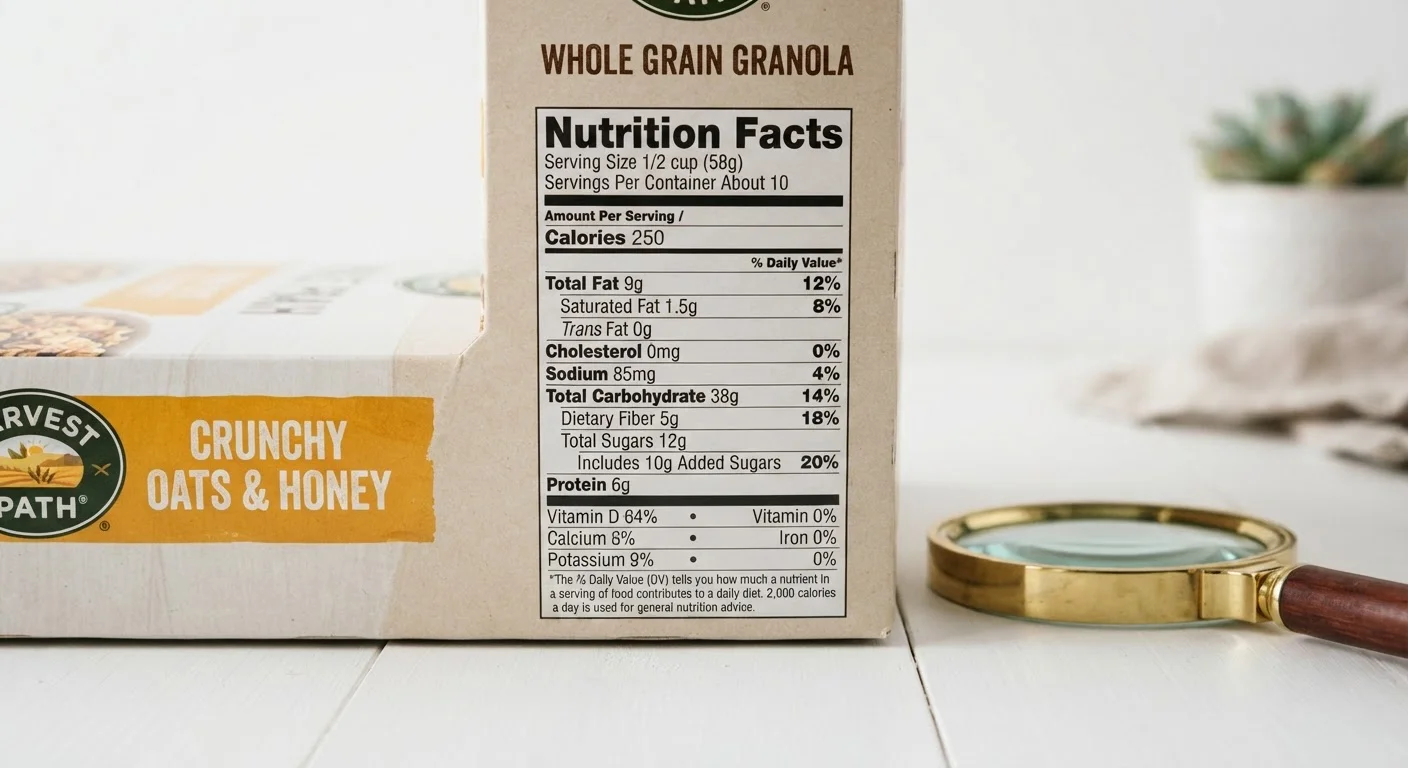
Photo credit: SmartReads.net | Simple Search, Relevant Results
In this article
Serving sizes, % daily values, and hidden sugars — a plain-language guide to reading nutrition labels with confidence.
The Serving Size: Where Everything Starts
Every number on a nutrition facts panel is tied to one foundational figure: the serving size. If you miss this, every other stat you read is potentially misleading. The FDA updated serving size rules in 2020 to reflect amounts people realistically eat - so a serving of ice cream is now ⅔ cup rather than the old ½ cup - but the number on the label still may not match what's actually on your plate.
Before scanning calories or sodium, check the serving size and the number of servings per container. A bag of chips labeled 150 calories might contain 3 servings, meaning the whole bag is 450 calories. This isn't a hidden trick - it's simply how the panel is structured - but it's the most common point of confusion for busy shoppers.
| Serving size basis | Amount people realistically eat (updated 2020) (U.S. Food & Drug Administration) |
| Low %DV threshold | 5% or less per serving (FDA guidance) |
| High %DV threshold | 20% or more per serving (FDA guidance) |
| Required micronutrients on label | Vitamin D, Calcium, Iron, Potassium (FDA Nutrition Facts label requirements) |
| Good fiber source (per serving) | 3g or more (FDA nutrient content claim standards) |
| Reference calorie base for %DV | 2,000 calories per day (FDA standard reference) |
% Daily Value: A Compass, Not a Calculator
The % Daily Value (%DV) column shows how much of a nutrient one serving contributes toward general daily needs, based on a 2,000-calorie reference diet. Think of it as a quick compass rather than a precise personal target - your own needs depend on age, activity level, and health status.
A useful rule of thumb endorsed by the FDA: 5% DV or less is considered low for a nutrient; 20% DV or more is considered high. For nutrients you generally want more of - fiber, calcium, potassium, vitamin D - aim for higher percentages. For nutrients worth limiting - saturated fat, sodium, added sugars - lower is usually better.
Serving Size
The standardized amount of food used as the reference for all nutrient values on the label. It reflects typical consumption amounts as defined by the FDA, not necessarily a recommended portion.
% Daily Value (%DV)
The percentage of a nutrient that one serving provides relative to daily needs based on a 2,000-calorie diet. It helps compare foods quickly but is not a personalized target.
Added Sugars
Sugars and syrups added to food during processing or preparation, distinct from naturally occurring sugars in fruit or dairy. Listed separately on updated nutrition labels since 2020.
Saturated Fat
A type of dietary fat found mainly in animal products and some tropical oils. Current dietary guidance generally recommends limiting intake, as high consumption is associated with elevated LDL cholesterol in many people.
Dietary Fiber
The indigestible portion of plant foods that supports digestive health, helps regulate blood sugar, and contributes to feelings of fullness. Most adults in the US consume less than the recommended amount.
Trans Fat
A type of fat formed through hydrogenation of liquid oils. Artificial trans fats have been largely removed from the US food supply, but the line still appears on labels and should read 0g.
Fats, Sugars, and the Lines That Matter Most
Not all fats are equal on the label. Total fat includes unsaturated fats (generally considered beneficial in moderate amounts), saturated fat, and trans fat listed separately. Current dietary guidance generally supports limiting saturated fat and avoiding artificial trans fats where possible. Unsaturated fats - found in nuts, fish, and plant oils - don't need to be minimized the same way.
The added sugars line, introduced in the updated label, is particularly useful. It separates naturally occurring sugars (from fruit or dairy) from sugars manufacturers put in during processing. A yogurt might show 20g of total sugars but only 5g of added sugars - a meaningfully different picture than one with 15g added. The American Heart Association suggests most adults keep added sugars well below 10% of daily calories, though your personal targets are best discussed with a healthcare provider.
Sodium deserves a close look too, especially for anyone managing blood pressure. Many packaged soups, sauces, and snacks deliver 30-50% DV sodium per serving. Because we often eat more than one serving, sodium can accumulate quickly across a day without feeling like obvious overindulgence. See how some popular packaged foods compare in our piece on foods labeled 'healthy' that nutritionists look at more carefully.
Fiber, Protein, and Micronutrients Worth Checking
Dietary fiber is one of the easiest label wins to act on. Most US adults fall short of recommended intake. Foods with 3g or more of fiber per serving are generally considered a good source; 5g or more is excellent. Fiber supports digestive health, helps maintain stable blood sugar, and contributes to satiety - making it a practical signal of overall food quality.
Protein is listed in grams but currently has no %DV - the label just gives you the gram count. As a reference point, most adults need roughly 0.8g per kilogram of body weight daily as a general baseline, though individual needs vary considerably. For packaged snacks or meal replacements, protein content can be a useful marker of how satisfying the food is likely to be.
Finally, the bottom section of the label shows micronutrients: vitamin D, calcium, iron, and potassium are required disclosures because many Americans fall short of them. These four are worth a glance, particularly if you're aware of any nutritional gaps in your eating pattern. Once you're comfortable reading labels, you can apply this knowledge to a broader diet check - our weekly healthy eating audit is a practical next step.
This article is for general informational purposes only and is not a substitute for personalized medical or nutritional advice. Consult a qualified healthcare provider or registered dietitian for guidance specific to your health needs.

Author
Diet & Meal Plans Editorial Team
Diet & Meal Plans Editorial Team is the collective byline for our editorial team and contributor network. Articles published under this byline or an editorial pen name are researched, written, and reviewed according to our editorial standards for clarity, consistency, and independence before publication.
View all articles →